Article by:
Retreat Finder

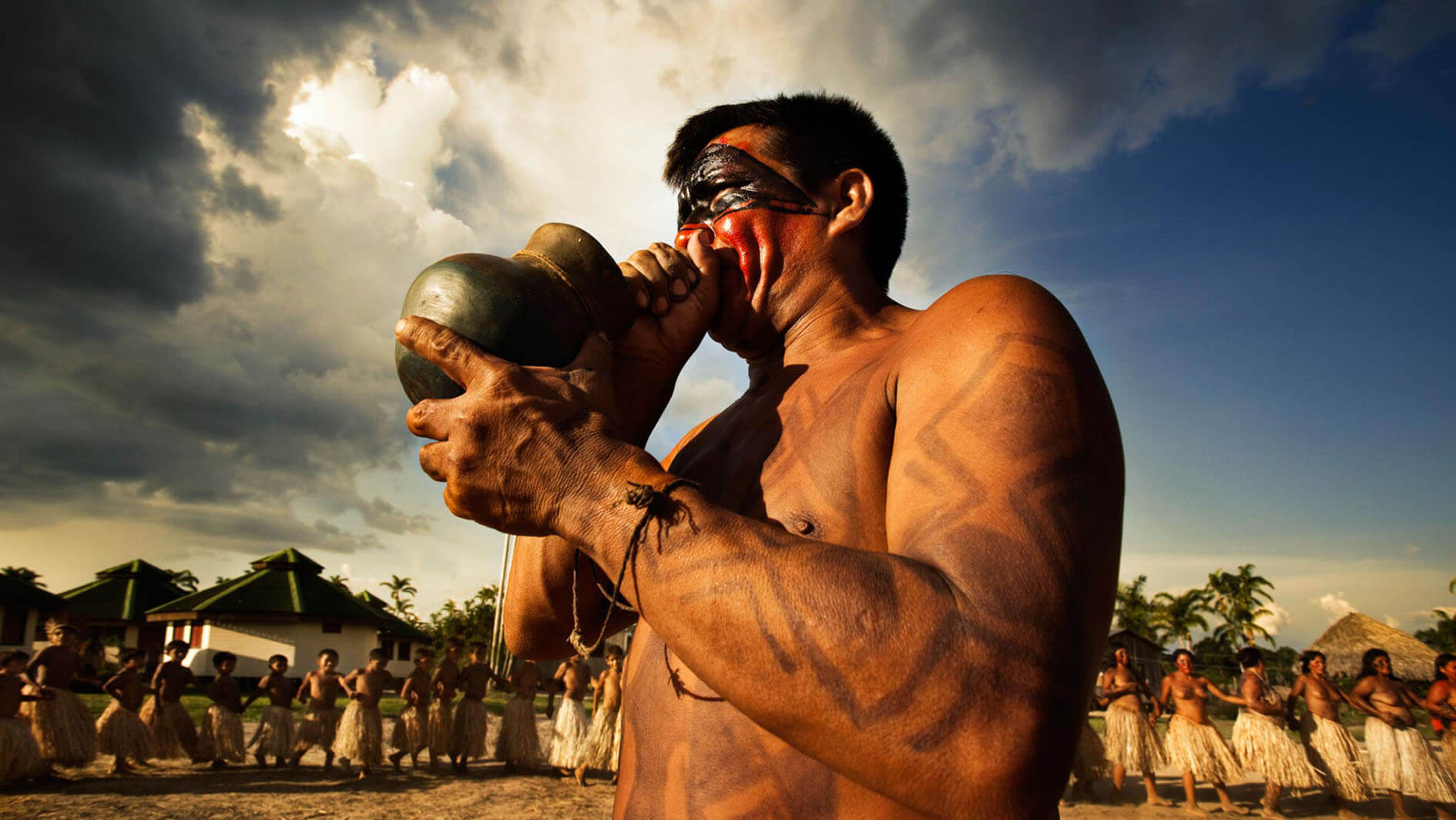
Ayahuasca (pronounced “eye-ah-WAH-ska”), the so-called “Vine of the Soul,” is a psychoactive drink that has been used for centuries by Indigenous Amazonian cultures for spiritual and medicinal purposes.
People's interest in this brew skyrocketed in the 2010s and 2020s, especially in the West, driven by those who are searching to heal the body, mind, and spirit, and those aiming to achieve a deeper connection to something greater than themselves—often through an ayahuasca retreat.
Ayahuasca is practised in several South American countries, which include Peru, Brazil, Ecuador, Colombia, and Bolivia. Brazil has actually made ayahuasca legal for religious use. Because of that, the country has become a real hub for people looking to experience it.
Prince Harry said ayahuasca helped him process trauma and grief, calling it “the cleaning of the windshield, the removal of life’s filters.” Lindsay Lohan said in 2015, “I did ayahuasca. It changed my life.” American entrepreneur and author Tim Ferriss even shared how ayahuasca helped him transform his chronic back pain.
Let’s unpack the tradition behind ayahuasca, get to know the Yawanawá and Huni Kuin tribes, just two of several tribes that lead these sacred rituals, and learn what an ayahuasca ceremony actually looks like.
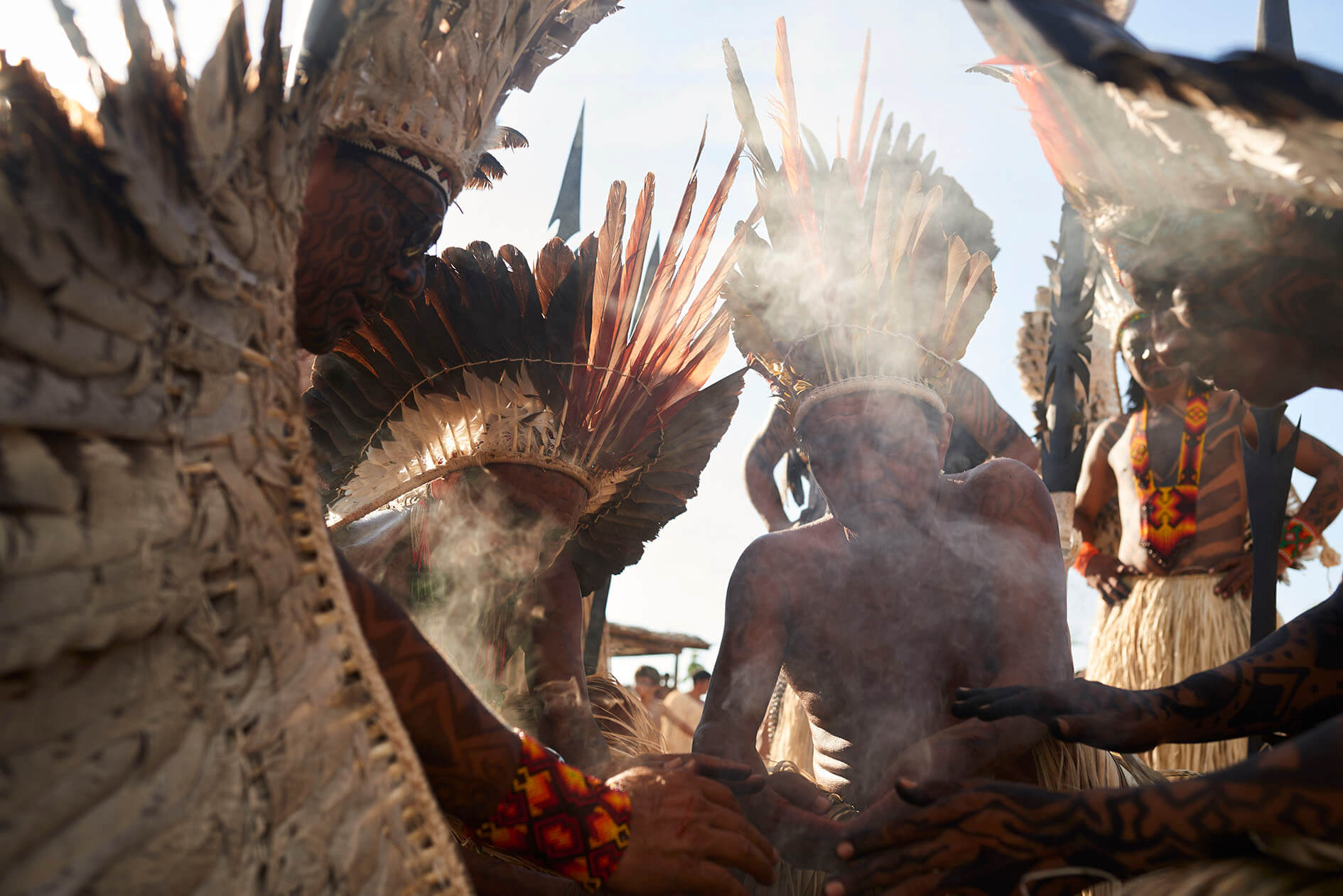
The Yawanawá have lived along the Gregório River for generations. The forest was their home and they knew which plants, like ayahuasca, could heal and which rivers held life. Their spiritual life was something entwined in their everyday life.
But the peace didn’t last when, over a hundred years ago, outsiders came into their world. The Yawanawá were forced into slavery and the things that made them who they were have been pushed aside and silenced. But even through all of that, the Yawanawá survived. They kept the forest in their bones and their spirit still carries the old wisdom from their ayahuasca ceremonies.
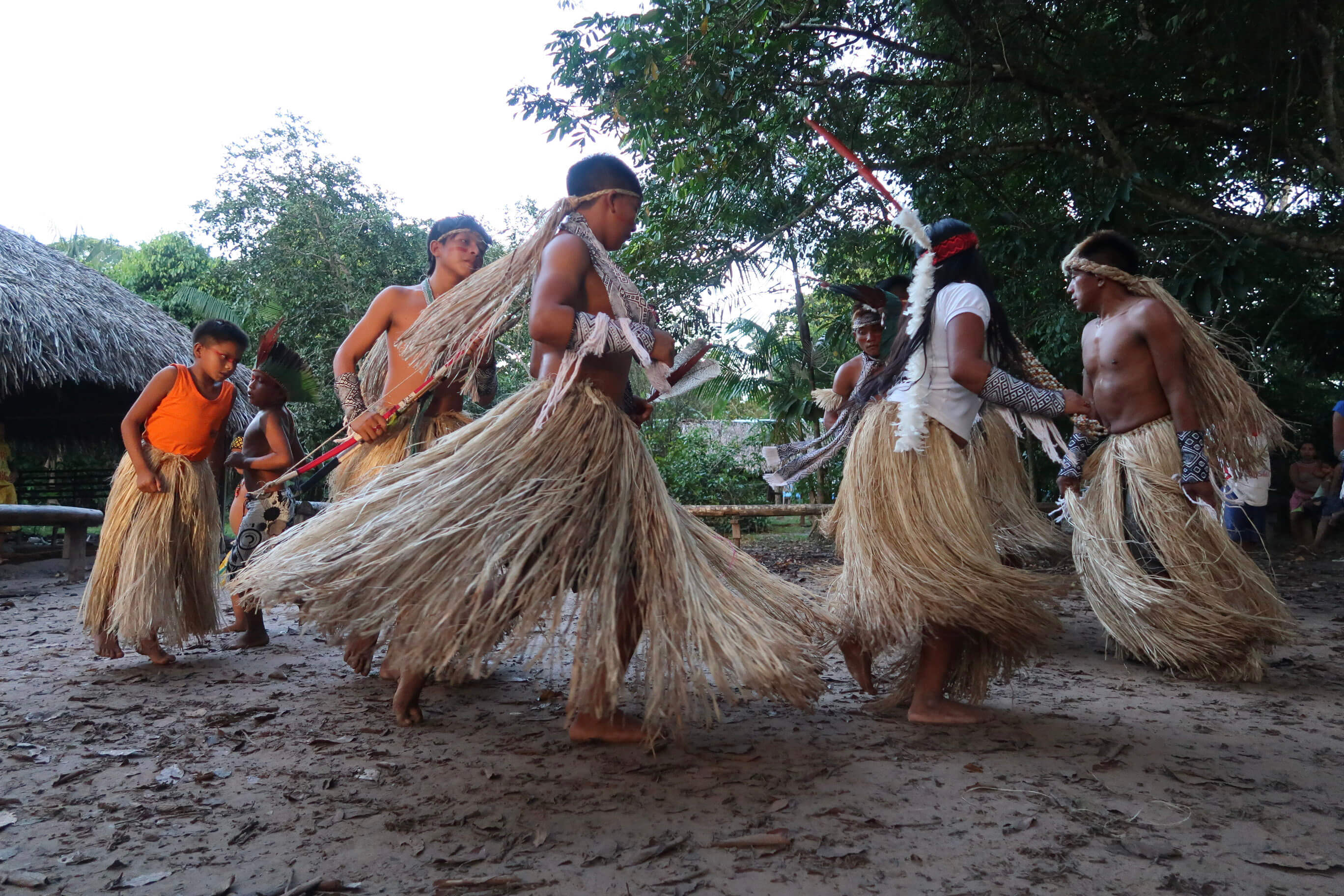
The Huni Kuin, also known as the Kaxinawá, are an Indigenous tribe from the Amazon in Brazil and Peru. Their name means “true people.” It reflects how closely they’re connected to their ancestors and also to the forest.
Everything they do is about respecting and honouring where they came from, practising their ayahuasca tradition, and keeping their history alive.
In these communities, ayahuasca ceremonies are held in a shared, ceremonial space led by a shaman or healer.
They use special songs, called icaros, in a traditional ceremony embracing collective healing. The Yawanawá and Huni Kuin see ayahuasca as part of a long line of wisdom that’s still alive today.
For centuries, indigenous communities have concocted ayahuasca from a vine and other plants. An ayahuasca ceremony is usually taken in a ceremonial setting with a guide and takes place after the sun goes down, and everyone stays together through the night, sitting with the experience as the medicine slowly unfolds, often lasting until the early hours of the morning.
The experience is meant to be more spiritual and healing than recreational. It can bring up intense visions and mind-bending experiences. It’s not a guaranteed miracle cure for trauma or mental health issues, even though some people do report life-changing insights.
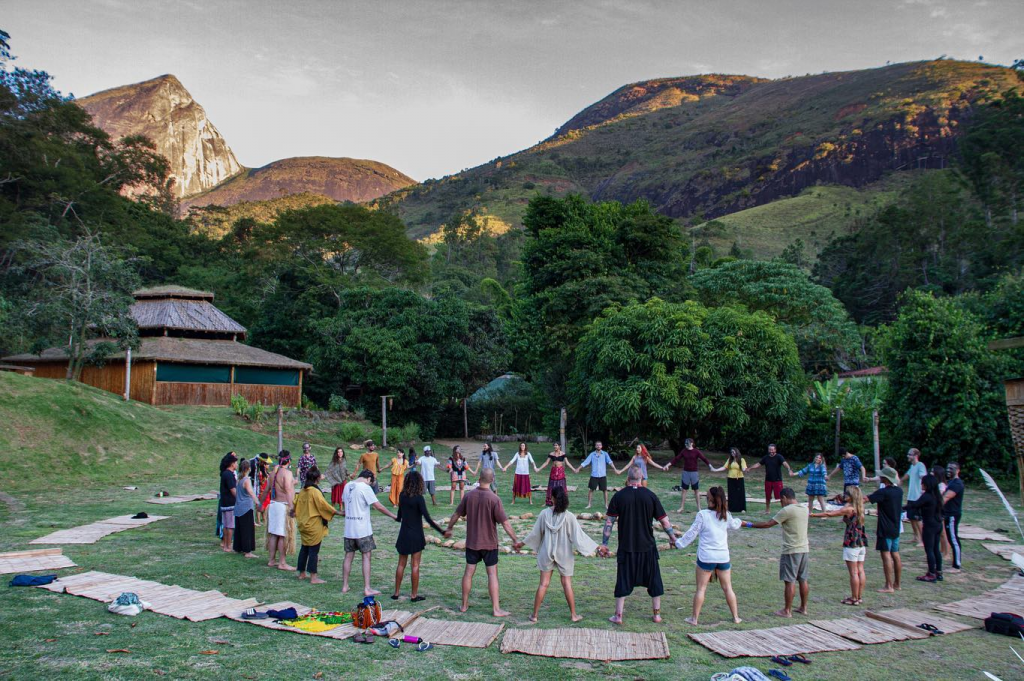
At the heart of this journey are sacred ayahuasca ceremonies guided by the Yawanawá and Huni Kuin shamans, who bring generations of wisdom to the way they brew the vine and chacruna leaves.
Each night starts in a shared, heavy silence, giving participants the space to clear and settle their minds and then set their own intentions. Once the medicine begins to stir, the air is filled with icaros which are traditional chants used by the shamans to help steady the space and guide them through whatever visions or big emotions start to bubble up.
To help them stay steady during the ceremony, they’ll join in on Rapé and Sananga circles which are simple, powerful rituals that sweep away the mental fog and pull them right back into their bodies. When the ceremonies end, the "real life" part begins.
They’ll sit down with the elders to hear their stories, find their own rhythm in their music, and enjoy learning the tribes’ crafts. It’s a total shift in perspective where participants start to see the rainforest not just as a restorative place; but as something that deepens their connection to the ceremony.
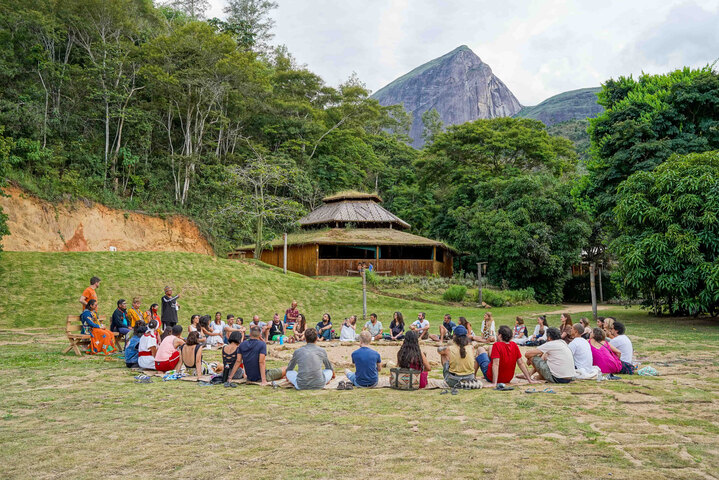
If you’re searching for an ayahuasca retreat that balances tradition with responsible care, the Uni Retreats at Akasha Retreat Center is an excellent option. Nestled in the mountains near Rio de Janeiro, Uni Retreats' ayahuasca ceremonies are led by Yawanawá and Huni Kuin leaders, and the whole experience includes traditional teachings and a caring, supportive community.
It’s a grounded, respectful way to explore ayahuasca without feeling like you’re stepping into something unsafe or unfamiliar. Akasha also operates under a recognized church structure, which helps keep the work protected and legally sound.


 Log in with Google