
Article by:
Retreat Finder

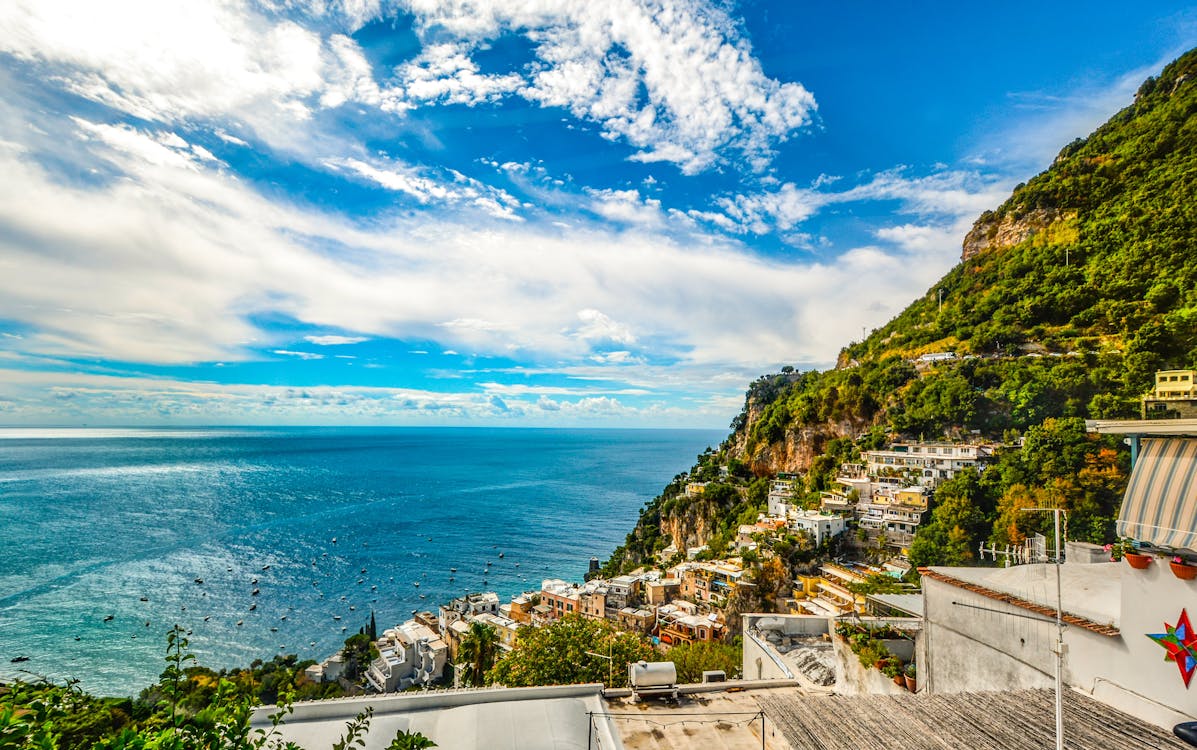
In a sunlit Sardinian village, elders gather to share a glass of dark red wine, their conversations punctuated by laughter that echoes across rugged mountain landscapes. On the other side of the globe, women well into their 90s tend lush gardens with remarkable vitality in Okinawa, Japan.
These places are more than postcard-worthy destinations — they are Blue Zones, rare regions of the world where people live significantly longer, healthier lives.
Longevity scientists and demographers have identified five such regions: Okinawa in Japan, Sardinia in Italy, the Nicoya Peninsula in Costa Rica, Icaria in Greece, and Loma Linda in California. These “longevity hotspots” are not just curiosities. They are living laboratories offering insights into how lifestyle, culture, and environment can shape human health and lifespan.
For seekers interested in both travel and transformation, visiting these regions is an invitation to experience traditions that stand in stark contrast to modern, fast-paced lifestyles.
Blue Zones are defined as regions with a high concentration of centenarians — individuals who live to 100 years or more. Their longevity is not an accident of genetics alone, but a result of lifestyle patterns that include plant-based diets, natural daily movement, close-knit social connections, and a strong sense of purpose.
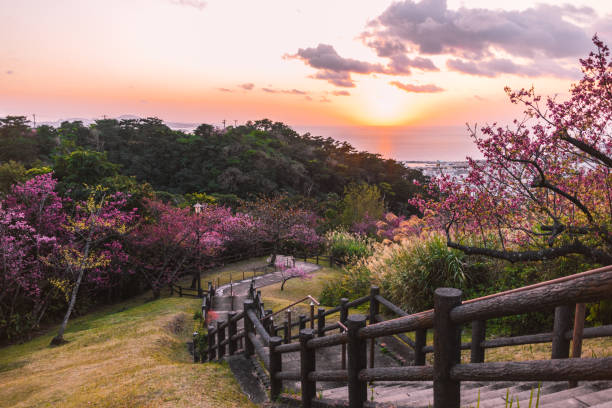
1. Okinawa, Japan — The Island of Immortals
Okinawa has one of the highest life expectancies in the world. The Okinawan diet emphasizes vegetables, soy, and fish, and residents follow the practice of Hara Hachi Bu — eating until 80 percent full. Strong community ties and the concept of Ikigai (“reason for being”) also sustain both physical and emotional well-being.
Visiting Okinawa: Travelers can immerse themselves in the culture by exploring local markets, participating in cooking classes, and engaging with community groups that embody the spirit of purpose and connection.
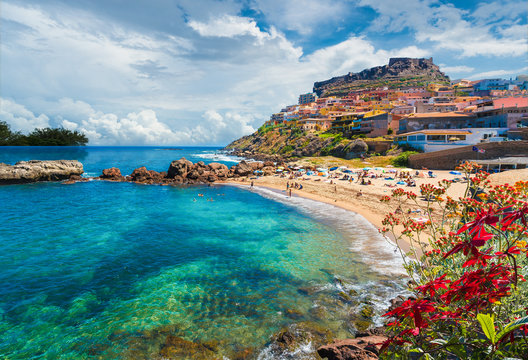
2. Sardinia, Italy — Where Age Is Just a Number
In Sardinia, particularly its mountain villages, men live as long as women — a rarity elsewhere. Shepherding traditions keep residents active, while diets rich in legumes, whole grains, and pecorino cheese provide nourishment. Longevity here is also tied to family bonds and respect for elders.
Visiting Sardinia: Hiking through mountain trails, sampling local cuisine, and experiencing multigenerational community life give travelers a direct view of this enduring culture.
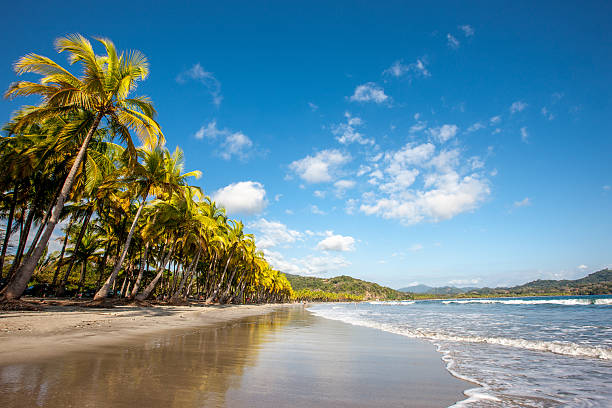
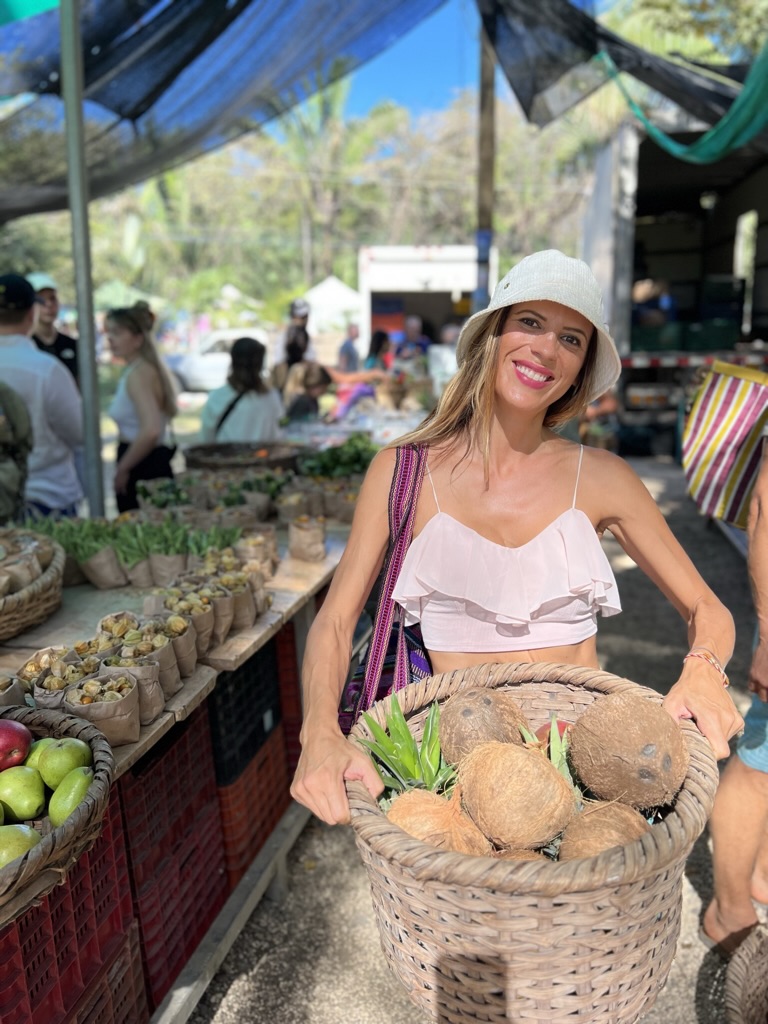
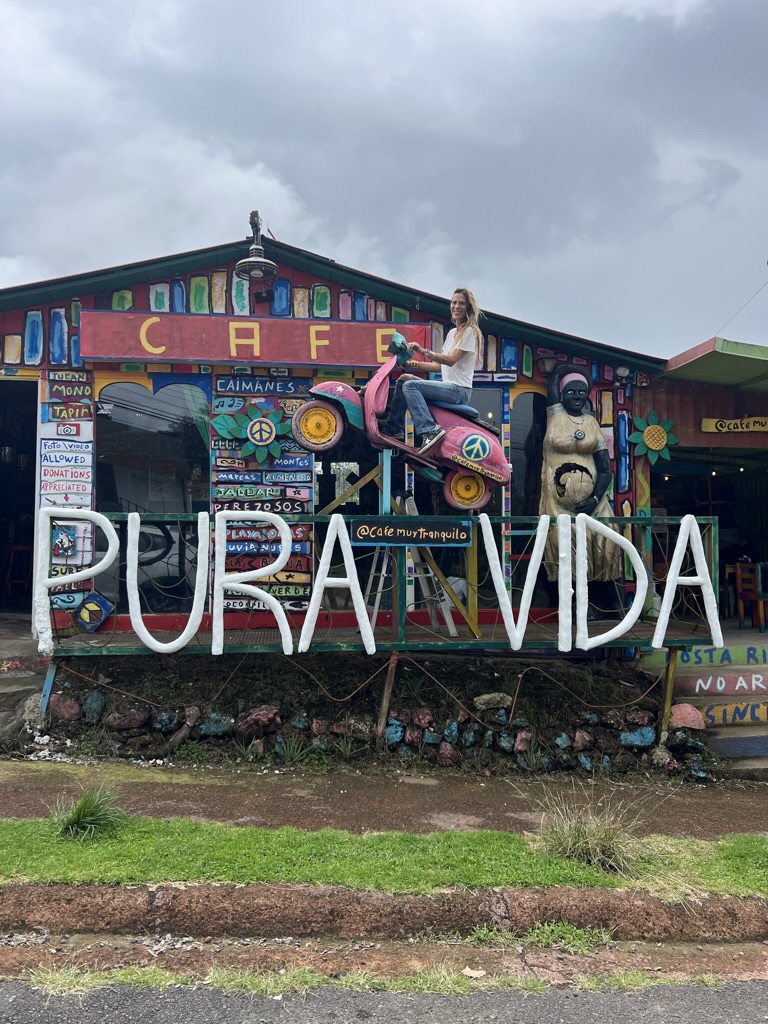
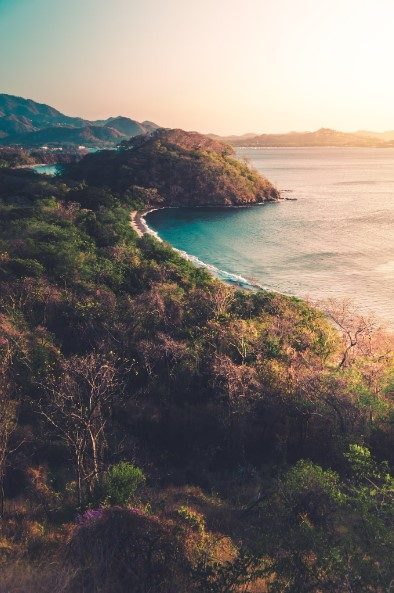
3. Nicoya Peninsula, Costa Rica — The Peninsula of Purpose
Nicoya residents follow the principle of plan de vida — a reason to live that extends well into old age. Their diet of beans, corn, and tropical fruit and access to clean water rich in calcium and magnesium support their health. Nicoya’s people’s warmth and simple lifestyle offer lessons in joy and balance.
Visiting Nicoya: A trip here provides pristine beaches and natural beauty and the chance to learn directly from locals about the art of purposeful living.
.jpg)
4. Loma Linda, California — Longevity in a Modern World
Loma Linda is not an isolated island or rural region, unlike the other Blue Zones. It is home to a community of Seventh-day Adventists whose faith-based lifestyle emphasizes plant-based eating, Sabbath rest, and social connection. Their longevity demonstrates that even in modern society, intentional choices can yield extraordinary results.
Visiting Loma Linda: Guests can explore how a modern, faith-centered community integrates health practices into daily life, offering a blueprint for longevity in urban settings.
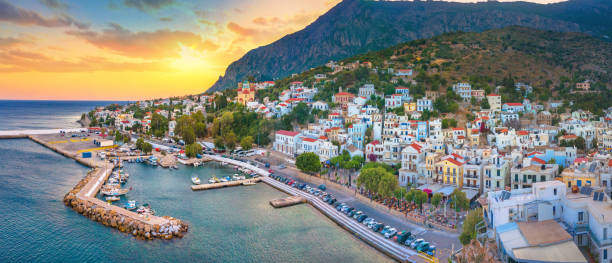
5. Icaria, Greece — The Island Where Life Slows Down
On Icaria, life is deliberately unhurried. Residents eat a traditional Mediterranean diet, nap in the afternoons, and maintain active social lives well into old age. This slower pace reduces stress and promotes resilience, creating a culture where chronic disease is rare.
Visiting Icaria: Travelers can enjoy village festivals, explore olive groves and vineyards, and experience a lifestyle that challenges Western notions of productivity and aging.

Across all five regions, certain commonalities emerge:
These are not extraordinary measures but everyday practices embedded into cultural rhythms.

Experiencing these regions firsthand offers more than a vacation. Immersion allows travelers to witness how diet, community, and lifestyle interweave into a framework for health and happiness.
The lessons of the Blue Zones are universal. Whether it’s eating more plants, cultivating stronger social ties, or finding your own “reason for being,” these practices can be applied anywhere. But visiting the regions themselves provides a unique opportunity to see longevity in action — and bring those lessons home.
The Blue Zones are not just destinations. They are invitations to explore new ways of living — healthier, more connected, and more purposeful. Traveling to these longevity hotspots is a chance to step beyond tourism and into transformation.
If you are ready to experience the wisdom of the world’s longest-living communities, we can help you plan a journey that goes deeper than sightseeing.

 Log in with Google