
Article by:
Retreat Finder

In the landscape of mental health and personal growth, talk therapy has long been a foundational tool. It offers clarity, validation, and language for our internal experiences. But for those navigating the deeper currents of trauma, anxiety, or unresolved emotion, there often comes a point where words reach their limit. This is where breathwork enters, not as a replacement for therapy, but as a powerful complement that works directly with the body.
Unlike traditional talk therapy, which works through language and cognition, breathwork accesses the subconscious and somatic memory through intentional breathing. This practice bypasses the thinking mind and invites the body into a process of release, healing, and integration that can be both profound and deeply personal.
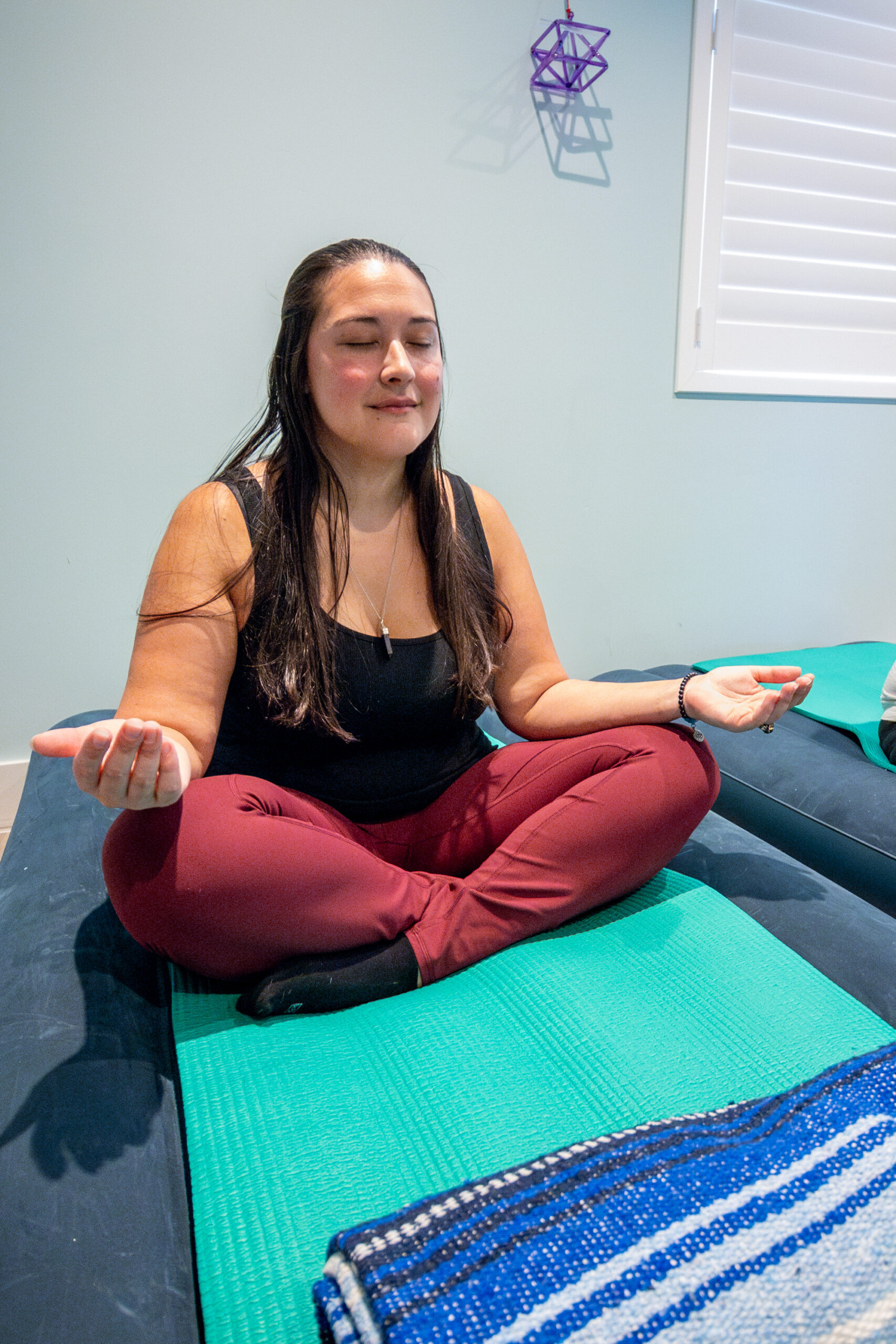
Breathwork taps into the nervous system, calming the stress response and opening the doorway to introspection. By slowing the breath through techniques like coherent breathing or conscious connected breathing, individuals enter a meditative, alpha brainwave state. In this space, long-buried memories, insights, and emotions can surface naturally, often without needing to be spoken aloud.
This gentle excavation is what makes breathwork so transformative. It’s not about rehashing the past but witnessing and feeling what the body has been holding. For many, this creates a sense of liberation, of finally being able to process what was once stuck, often unknowingly, beneath the surface.

Modern science affirms what many ancient traditions have long known: the body stores unprocessed emotions. These can appear as chronic tension, illness, fatigue, or disconnection. When unexpressed, emotions can become encoded in the body as neuropeptides, chemical messengers that cluster in tissue and influence our mental and physical health.
Breathwork, sometimes combined with sound healing, can help disrupt and dissolve these clusters. As vibration meets breath, the body begins to unwind. Clients often report physical sensations of release, marking the body’s return to a state of safety and flow.
A common barrier for many is the belief that healing requires first understanding every aspect of one's trauma or story. Breathwork proves otherwise. The breath reveals what needs attention at a pace the nervous system can handle. There’s no need for verbal disclosure or narrative readiness, only a willingness to be present, breathe, and listen inwardly.

Incorporating sound into breathwork can deepen its effects. Instruments like singing bowls or tuning forks create frequencies that resonate with the body’s energy centers. These vibrations can gently break up emotional stagnation and support detoxification at both a physical and emotional level.
Sound and breath guide us home to our bodies, stories, and healing potential.
In an era defined by overstimulation, collective trauma, and digital noise, returning to the breath is a radical act of self-care. Breathwork provides a grounding, accessible practice for those seeking reconnection with themselves in a chaotic world. It reminds us that transformation doesn’t always come from insight alone but from embodiment, sensation, and stillness.
This is an invitation to reclaim your breath, and in doing so, to reclaim yourself. With every inhale, you soften. With every exhale, you release. And in the quiet that follows, healing begins.


 Log in with Google