
Article by:
Retreat Finder

.png)
Cape Cod feels like the kind of place pulled straight from a postcard, where American history lingers behind every lighthouse, fishing dock, and weathered shingle house.
Locals often refer to Cape Cod as “the flexed arm” of Massachusetts because of its distinct curved shape, and once you notice it on a map, it’s hard to see it any other way. The peninsula really does look like it’s reaching out into the Atlantic.
Named by English explorer Bartholomew Gosnold in 1602 for the abundance of codfish in its waters, Cape Cod would later become part of one of the most defining chapters in early American history.
In 1620, the Pilgrims first anchored in Provincetown Harbor aboard the Mayflower before continuing on to establish Plymouth Colony, one of the earliest permanent English settlements in New England.
Their journey and determination became woven into the story of America’s beginnings, symbolizing resilience, faith, and the pursuit of a new life.
The story of Cape Cod stretches back thousands of years before the arrival of the Wampanoag people. They have long called this region home, with a deep connection to the land and sea that shaped life across coastal New England.
Their knowledge of farming, fishing, and survival played an essential role in helping the early Plymouth colony endure its first difficult winters.
To walk along Cape Cod today is to stand in a place where America’s early history began, shaped by Indigenous traditions and the dreams of the first settlers who landed here.
.png)
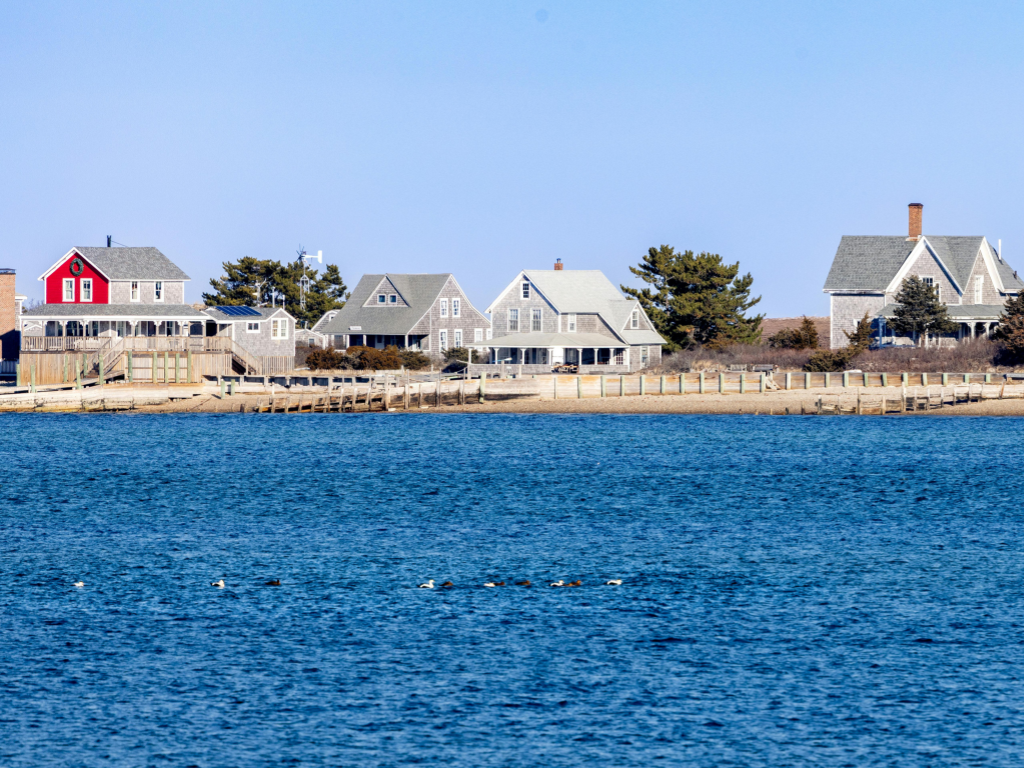
Cape Cod travel is rooted in the ordinary beauty of the coast, where the landscape encourages rest and slower days. Homes and inns with weathered cedar shingles line the streets, dune grass sways in the breeze, and long Atlantic beaches go on for miles.
Tidal marshes change with the tides, harbor towns move at a relaxed pace, and bike paths connect the Cape’s small communities.
Morning fog often covers the land, and days are spent visiting bookstores, small galleries, seafood shacks, and coastal restaurants.
Those exploring Cape Cod retreats often find that each area carries its own character and pace.
Across the whole peninsula, the invitation is to ease out of daily routines and settle into the simple, everyday flow of life along the coast.
Wellness here is found in simple things: the salty air, the creative energy of the towns, and a daily rhythm that lets you finally slow down and breathe.
1. The Ocean Environment
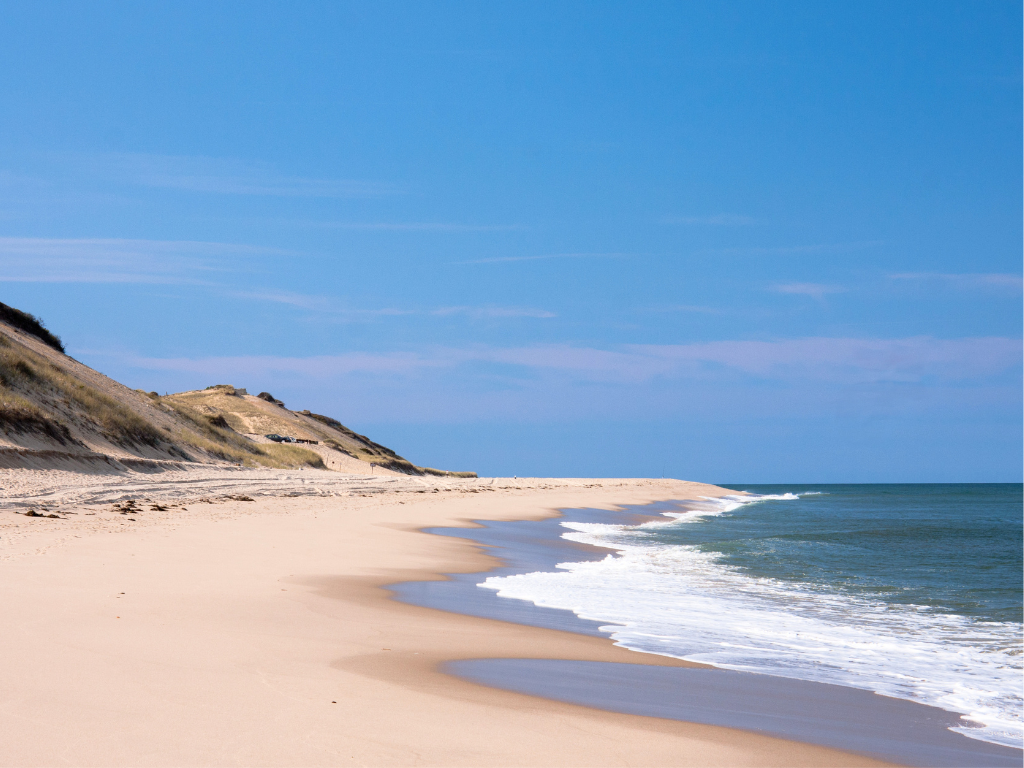
Cape Cod’s feeling of wellness starts with being close to the water. The Atlantic Ocean, Cape Cod Bay, salt marshes, kettle ponds, and tidal inlets all help slow down the day.
Spending time by the shore often means walking a bit farther, breathing more deeply, and moving at an easy pace.
Walking on the beach is one of the easiest and most refreshing things to do here, especially early in the morning or during the quieter seasons when the shore feels open and peaceful.
2. Protected Nature
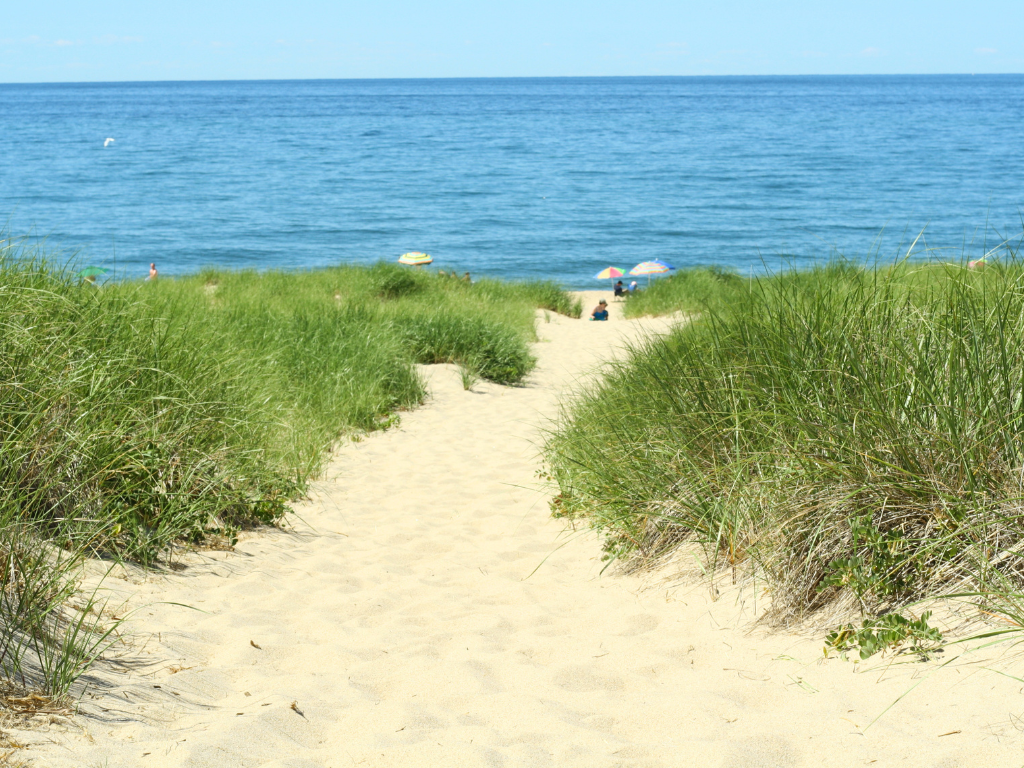
A big part of Cape Cod’s calming atmosphere comes from the Cape Cod National Seashore. Dunes, beaches, marshes, forests, ponds, and bike paths are all easy to get to and enjoy without any special skills.
The landscape is welcoming, with trails and shorelines that encourage you to move slowly, take in the sights, and spend plenty of time outside.
3. Creative and Reflective Culture

For a long time, Cape Cod has attracted writers, artists, photographers, and anyone looking for a peaceful place to focus.
Towns like Provincetown and Wellfleet still keep that thoughtful feeling. The ocean, the light, and the slower pace make it a great place for journaling, reading, creative projects, or just taking a break from your usual routine.
4. Soft Luxury

Luxury on Cape Cod is subtle and comes more from the setting than from showy displays. It shows up in coastal views, thoughtful hospitality, simple but well-prepared food, small boutique stays, spa spaces, and the privacy of quieter towns and inns.
While it doesn’t center around large destination spa culture, many travelers appreciate its grounded, coastal kind of comfort: relaxed, unforced, and close to the water.

Cape Cod’s wellness scene is anchored in its resort and coastal hospitality culture rather than large standalone retreat centers, with boutique inns, seasonal resort programs, yoga studios, beachfront homes, and private retreats all drawing on the region’s natural coastal calm.
One of the premier destinations is the Ocean Edge Resort & Golf Club, a full-service coastal resort known for the best wellness retreats and spas on Cape Cod, a golf course, and fitness-focused amenities set against the backdrop of Cape Cod’s shoreline.
The variety of wellness experiences offered here is designed to support overall well-being, helping guests restore balance through movement, relaxation, nature connection, and restorative self-care.
For many travelers, full-service resorts are the most convenient way to experience this relaxed coastal lifestyle without sacrificing comfort, ease, or amenities.
Cape Cod wellness retreats range from structured programs to more relaxed, unstructured time by the coast.
1. Yoga by the water
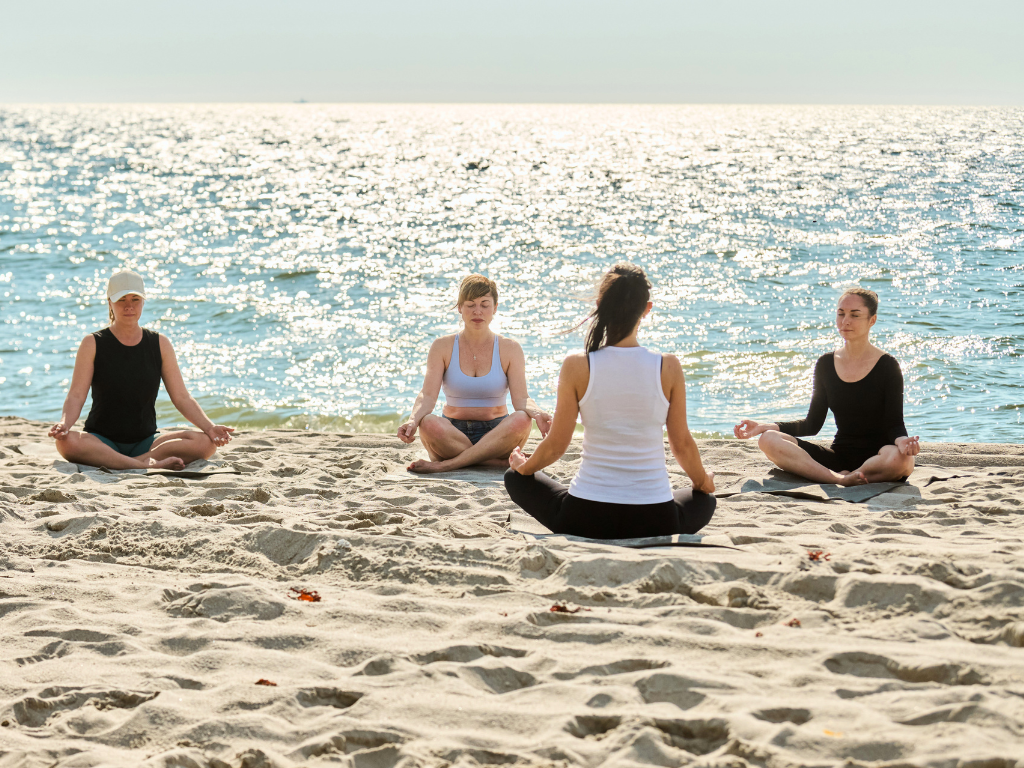
Yoga by the water, including beachside or studio classes at Mayo Beach in Wellfleet and First Encounter Beach in Eastham, with natural light and open-air settings that encourage presence, breathwork, and relaxation
Gentle movement in coastal environments that supports relaxation, grounding, and connection with nature
2. Spa and self-care experiences

Spa and wellness experiences across Cape Cod focus on rest, relaxation, and time by the coast.
Treatments commonly include massage and facial services, hydrotherapy, and restorative spa sessions, and are offered at resorts and inns across towns like Chatham, Brewster, and Provincetown.
In places like Ocean Edge Resort and Golf Club, one of the best spa resorts on Cape Cod, wellness experiences are also centered on restorative treatments and unhurried self-care, including:
3. Cycling and gentle movement

4. Meditation and restorative practices
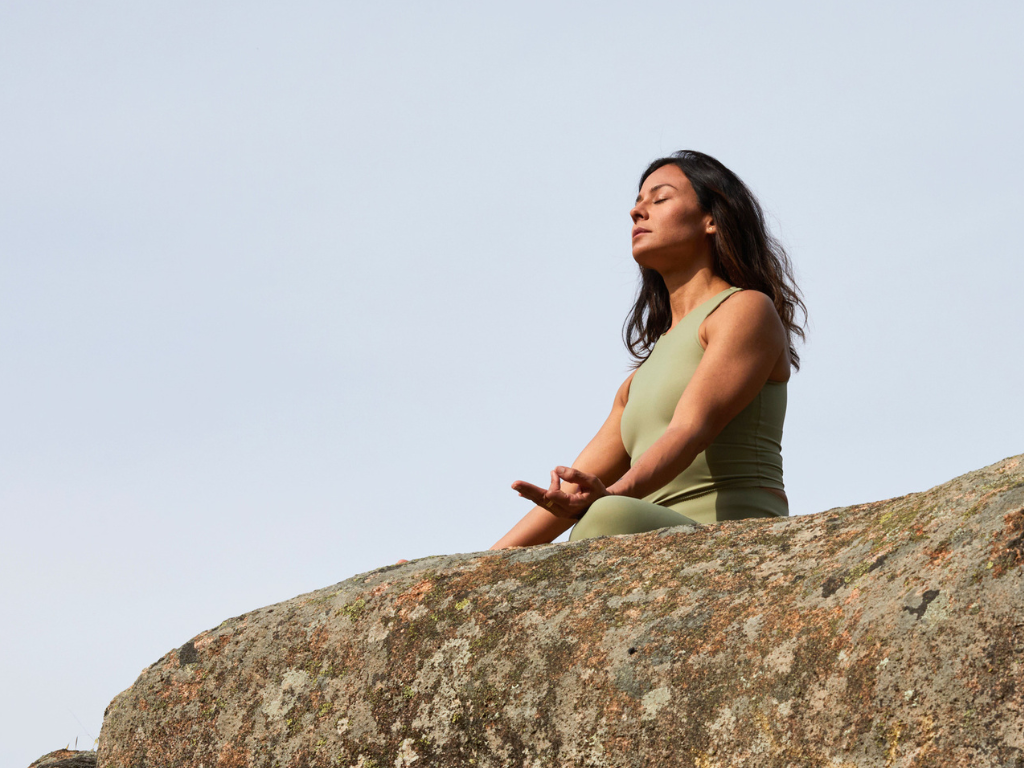
5. Creative and reflective time

Cape Cod is a great place for both self-guided wellness trips and organized retreats. However, your experience will differ depending on which option you choose.
1. Self-Guided or Solo Wellness Trip

Cape Cod is especially good for independent wellness travel because it naturally encourages slower, unstructured days. This works well if you:
A self-guided trip here usually feels spacious, private, and self-directed. It’s more like a coastal reset than a structured wellness program.
2. Organized Group Wellness Retreat

A structured retreat in Cape Cod is a better choice if you want more built-in connection and support during your stay.
Retreats here usually offer a clear daily flow, mixing movement, rest, good food, and group sessions. You don’t have to plan anything yourself.
3. The Middle Path
Many Cape Cod travelers naturally land somewhere in between. They stay at a boutique hotel, inn, or resort and then layer in wellness experiences such as:
This approach offers the freedom of solo travel with the ease of an optional structure, and is often the most flexible way to experience Cape Cod’s wellness side.
.png)
Many people see Cape Cod as a place to relax and recharge, but it also offers much more.
This classic New England coastal spot is full of things to do, from exploring historic harbor towns to visiting the Cape Cod National Seashore.
With miles of shoreline, you’ll find a blend of nature, culture, and seaside adventures as part of daily life.
.png)
Cape Cod’s wellness vibe comes from its fresh air, simple living, and coastal nourishment. Even familiar favorites like Cape Cod Chips draw inspiration from the region’s salty, seaside spirit!
Travelers with dietary needs can generally find vegetarian, gluten-free, and wellness-conscious options in larger towns and resort areas.

The feel of Cape Cod changes through the year, and some seasons naturally invite more rest, space, and ease.
1. Best Overall: Late May Through June and September Through Early October
For most wellness travelers, late spring and early fall are the most rewarding times to visit Cape Cod. These “shoulder-season” months feel easier in every way.
Beaches are quieter, towns move at a slower pace, hotel rates are more forgiving, and reservations are easier to secure.
The weather is mild and comfortable, with enough warmth for long walks by the shore without the peak-summer crowds.
September stands out in particular. The ocean still holds the warmth of summer, but the energy across the Cape begins to soften, leaving more space to settle into the coastline.
2. Peak Summer: July and August
Summer brings the Cape’s most familiar energy: warm beaches, busy towns, and long days by the water.
It is also the most active time of year, with heavier traffic, fuller beaches, higher accommodation prices, and restaurants that often require planning ahead.
For wellness-focused travel, this season works best when the goal is a social coastal holiday with wellness elements, rather than quiet restoration.
3. Best for Quiet Restoration: Late September Through Early June
Outside of the summer season, Cape Cod becomes especially calm and unhurried. This longer stretch is ideal for solo retreats, couples’ escapes, writing weekends, spa stays, and self-guided wellness travel.
Days feel more spacious, with quiet beaches, open roads, and time that moves without pressure.
It’s a season that supports slower rhythms and longer pauses, where the focus naturally turns inward.
4. Winter
Winter on Cape Cod is quiet, windswept, and deeply atmospheric. Some businesses close for the season, but the landscape feels open and still.
It appeals to travelers drawn to solitude, reflection, off-season pricing, and dramatic coastal scenery shaped by wind and tide.
.png)
Reaching Cape Cod is straightforward, but understanding the different routes and travel options helps.
1. Getting There
2. Do You Need a Car?
However, Provincetown can work well without a car, especially if you arrive by ferry and stay in the main town area.
You’ll often find better deals and more flexible options during the shoulder season, with lower prices on accommodations.
4. Safety and Nature Considerations
Cape Cod is generally considered safe and comfortable for domestic wellness travel. Travelers should be prepared for:
Shark safety advisories from the National Park Service should be taken seriously but not approached with fear. Ocean swimming remains a common and normal activity across the Cape.
5. Wi-Fi and Digital Detox
Most accommodations offer Wi-Fi, though quality can vary by property and location. For remote work or hybrid retreat stays, it is best to confirm connectivity in advance. For digital detox travel, Cape Cod’s slower coastal rhythm naturally supports time away from screens and constant connectivity.
_1779223192.png)
A slower, more rewarding Cape Cod experience often comes down to a few simple choices.
Cape Cod is best experienced slowly.

 Log in with Google