
Article by:
Retreat Finder

Did you know that Jesus might just be the original “retreatant”? Long before weekend getaways or silent retreats existed, the Gospels show Him slipping away from the crowds to pray, reflect, and recharge.
He rose early to find a quiet spot for prayer (Mark 1:35). He often withdrew to lonely places to reconnect with God (Luke 5:16). After feeding the 5,000, he even climbed a mountainside alone to pray (Matthew 14:23).
These moments are considered by many scholars and spiritual writers as early models of what later became spiritual retreats: dedicated times of withdrawal from normal activity to focus on prayer, contemplation, and renewal.
So while the term “retreatant” is modern, it’s fair to say Jesus exemplified the practice of intentional solitude for spiritual refreshment, which is the heart of retreating.
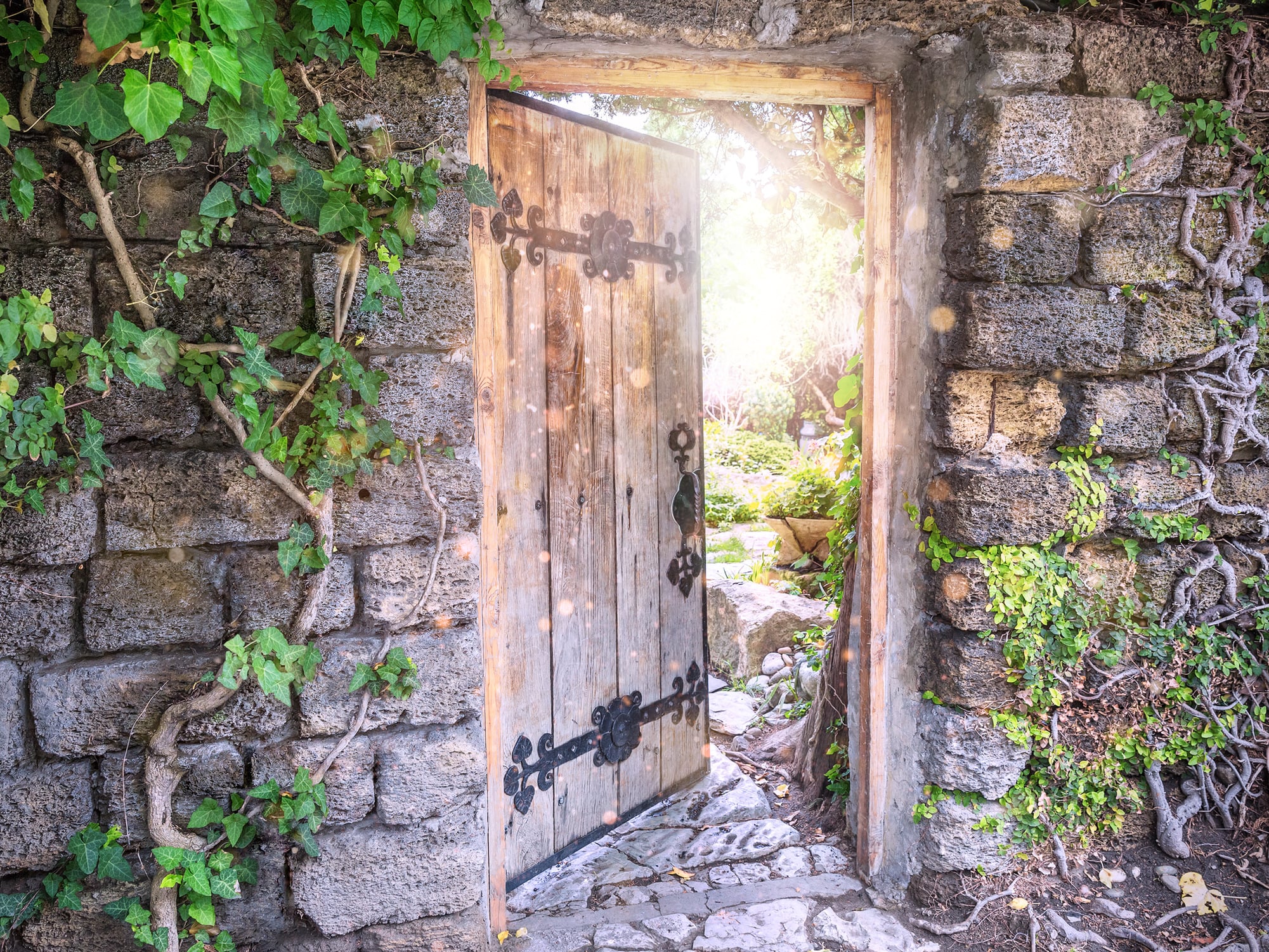
A spiritual retreat is simply an intentional pause from the clamoring demands of everyday life. We spend so much time reacting to notifications, work, and errands that we lose track of what’s actually going on inside us.
During a retreat, you simply slow down and listen to the whispers of the heart, to the stirrings of the spirit, and, for those of faith, to the gentle voice of God.
It is a time of reflection and prayer, often guided by a spiritual director, shared through communal worship, or experienced alone at your own pace on a self-paced retreat.
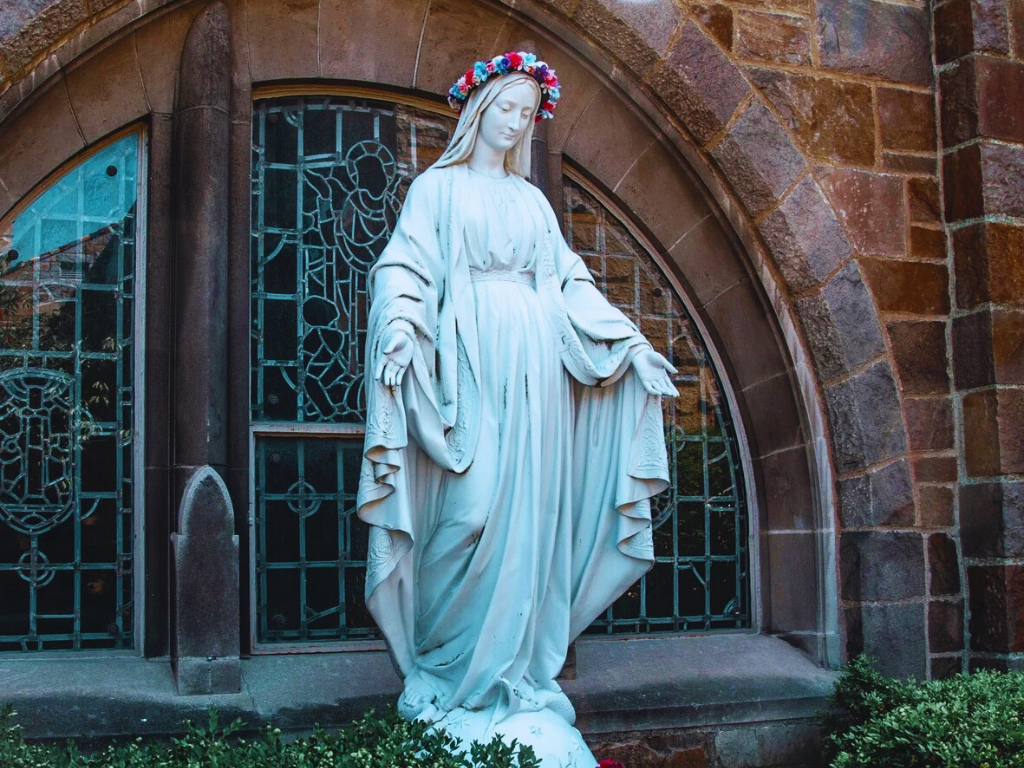
Franciscan Catholic retreats take many forms, each offering a unique way to step away from daily life and focus on reflection, prayer, and spiritual renewal.
Some retreats invite silence, others provide guidance, and some offer a combination of both, creating a space for clarity, healing, and connection with God.
Here are some of the most common types of Franciscan Catholic retreats:
.png)
There’s something about just stopping for a few days that really changes your perspective. Life gets so loud and busy that we forget what it’s like to actually sit in silence.
That’s why a Franciscan retreat is so special. It’s a peaceful space built on a really old tradition of just being still and connecting with God.Some retreats are entirely silent, whereas others have a balance of both silent and communal opportunities to connect with other like-minded persons of faith.
You’ll have gentle guidance when you need it, but also the freedom to move at your own pace, whether in structured activities, one-on-one spiritual direction, or simply quiet, self-paced reflection.
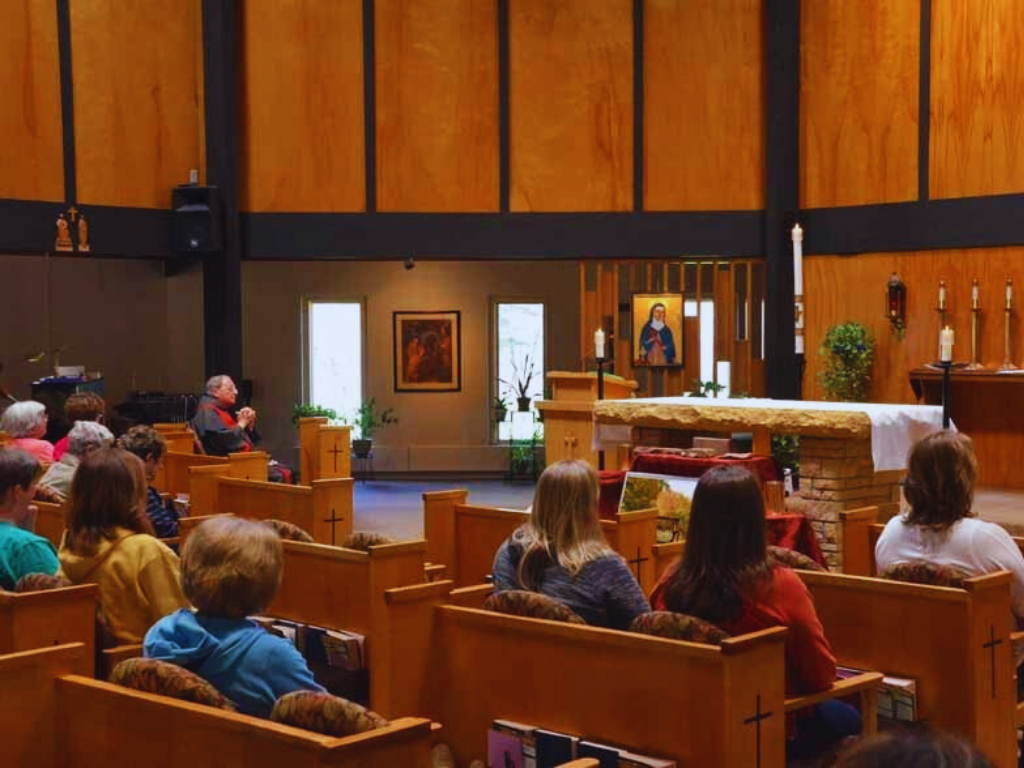
People come to a Franciscan retreat for all sorts of reasons, but usually, it’s just because they need a second to breathe. Some are completely burnt out from work or keeping up with family life. Others are at a crossroads and just need some headspace to figure out their next move. We also see a lot of people who are grieving or just trying to heal from something heavy.
If you’ve never done a Franciscan retreat, don't worry. It’s meant to be gentle and welcoming, not intimidating. It’s a chance to settle your mind and notice God. Best of all, you don't have to be a certain "type" of religious person to be there. Everyone is welcome.
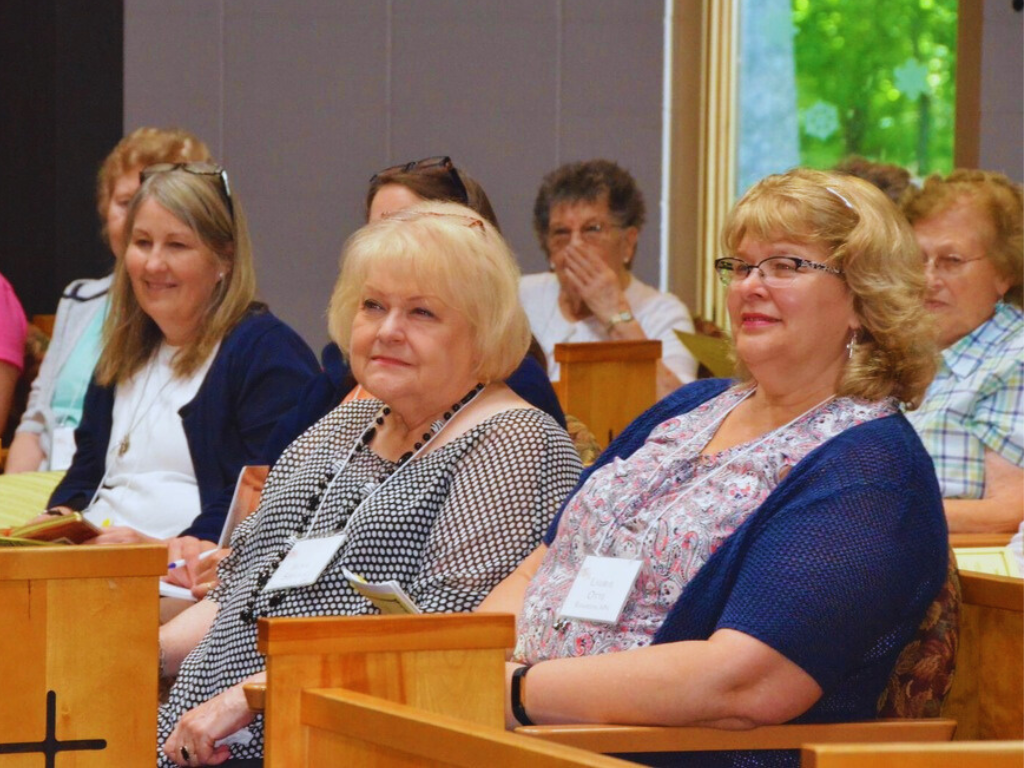
A few days spent at a Franciscan center allow retreatants to step into a pace that feels intentional but never hurried. Mornings usually start together with a guided prayer service delete these two words, which serves as a sort of spiritual anchor. You can dive into every structured session or spend the whole time in silent reflection.
Here’s what a typical retreat day might look like:
These may include some or all of the following: Confession, Eucharistic Adoration, Anointing of the Sick, Mass, Rosary, and Stations of the Cross. Retreat guests are typically invited to participate in the Mass readings, lead the rosary, etc.
With so many ways to retreat, it helps to get a sense of what a typical day feels like so you can picture yourself stepping fully into the Franciscan retreat experience.
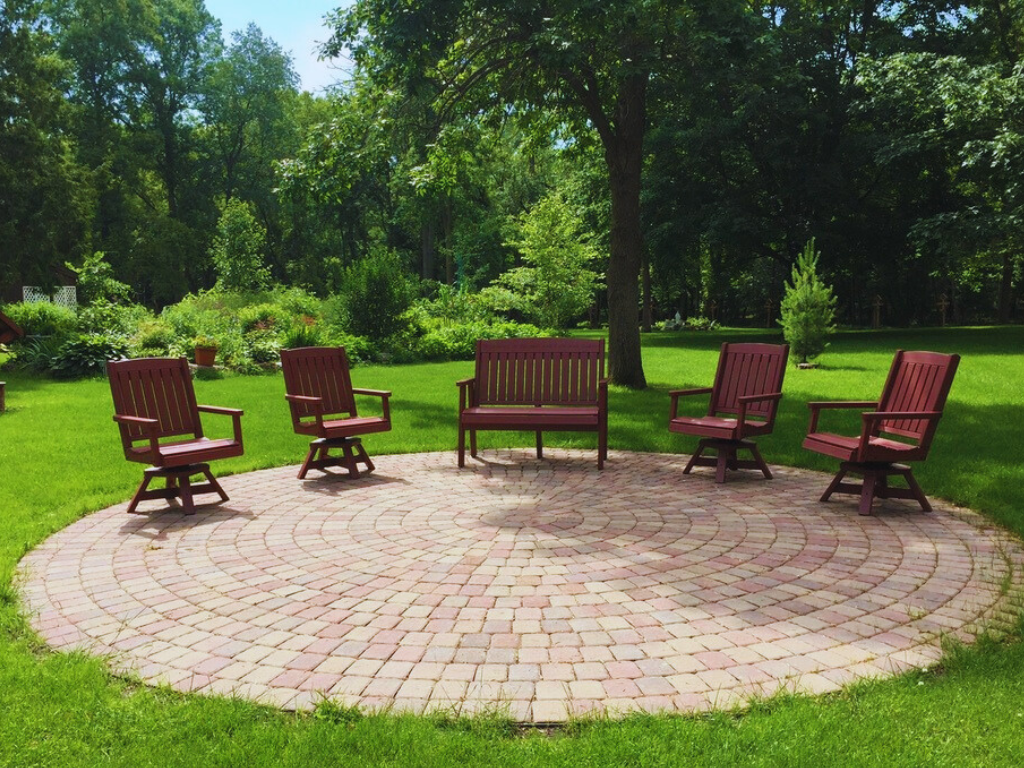
Stepping into a retreat set in a beautiful, peaceful environment brings an immediate sense of calm. Nature itself becomes part of the experience. The quiet patch of woods, sunlight filtering through trees, birdsong in the morning, winding paths for quiet walks.
The stillness of well-tended gardens, and green spaces helps your mind slow down, and your spirit settle. At the end of a spirit-guided day, it is restorative to watch a colorful sunset over the peace-filled lake.
Research from Harvard T.H. Chan School of Public Health has found that spending time in natural environments can improve emotional well-being, reduce stress and anxiety, and help restore mental clarity.
Many retreatants find that being surrounded by natural beauty deepens prayer and reflection, sparks creativity, and restores energy that’s been drained by daily life. Simply being in such a setting can make every moment feel richer, calmer, and more alive.
.png)
There’s so much more to a Franciscan retreat than just quiet rooms and prayer. These retreats carry a rich history, a thoughtful approach to silence, and a spirit of generosity that makes each visit deeply transformative in ways both simple and profound.

Franciscan retreat centers are designed to support reflection and stillness tooffer a calm environment that is free from distractions. The rooms are simple but comfortable, offering private space for rest, prayer, or quiet contemplation.
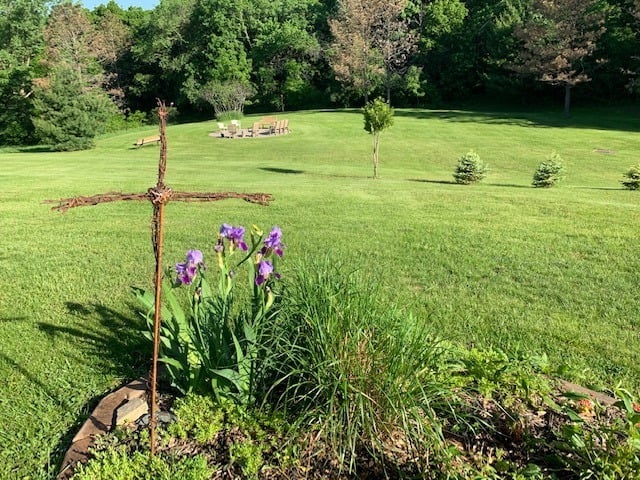
The natural surroundings, such as the gardens, walking paths, and peaceful green spaces invite you to slow down. There is a quiet reverence in these green spaces that mirrors the way St. Francis saw the world: as a beautiful, living reminder of God’s care.
Meals at Franciscan retreats are wholesome, unhurried, and designed to nourish both body and spirit. Food allergies are taken seriously, offering options for common needs such as gluten-free, dairy-free, and nut-sensitive diets. Allergen-free versions of certain items are also available.
The donation-based model makes retreats accessible to everyone, reflecting the Franciscan ethos of generosity and hospitality. This approach allows people from many walks of life to attend while supporting the retreat community's ongoing work.
At its heart, a Franciscan Catholic retreat is a gift: a chance to step off the crowded, noisy road and find a deep spiritual renewal, returning home not just refreshed, but profoundly transformed. Whatever kind of Franciscan retreat you land on, the key is really just to give yourself permission to stop.
We spend so much of our lives reacting to things, and stepping away, even for a few days, is often the only way to get a clear look at where we’re actually heading. Most people find that by the time they leave, that heavy, tight feeling in their chest has finally let go, and they can head back home feeling a lot more like themselves.
For anyone ready to experience this rare blend of structure, silence, and thoughtful spiritual support, browse retreat types and upcoming dates to find the one that fits your life and season.


 Log in with Google