
Article by:
Retreat Finder

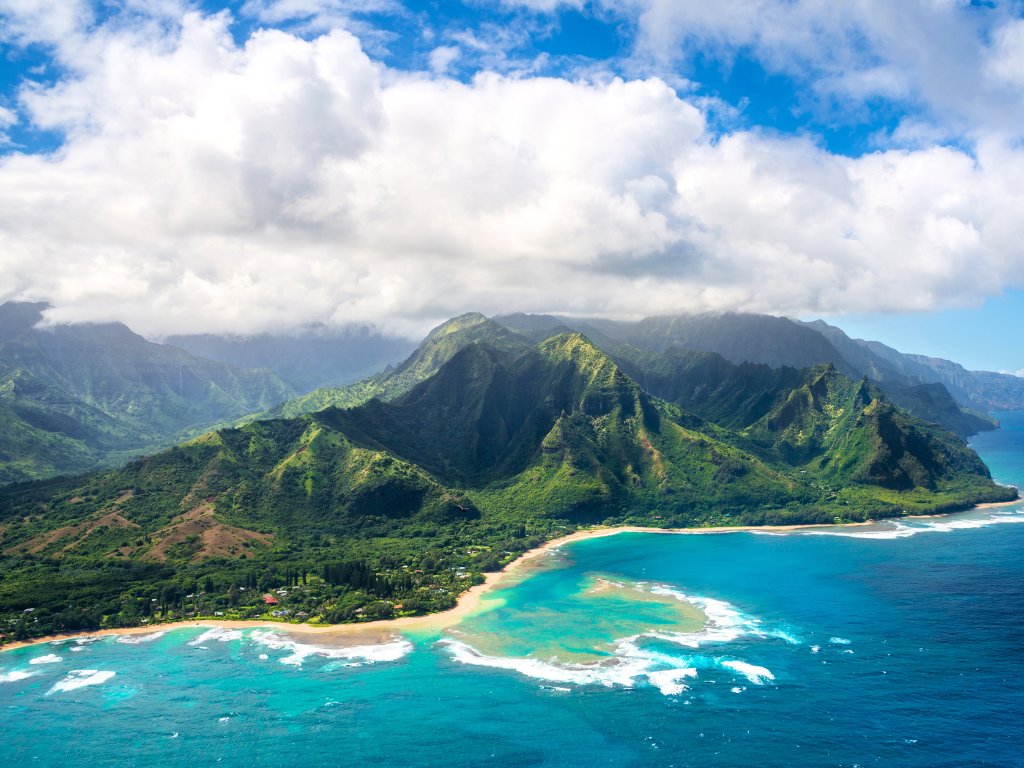
Life in Kauai naturally settles into a slower pace, surrounded by misty valleys, ancient volcanic cliffs, and endless ocean views. Called the “Garden Isle” or “Garden Island,” Kauai is the oldest Hawaiian island, and you can see its long history in the lush greenery and the many plants that cover its mountains, valleys, and coasts.
The island feels quietly alive: rain tapping on stone, green forests catching the light, and gentle air greeting you as soon as you step outside.
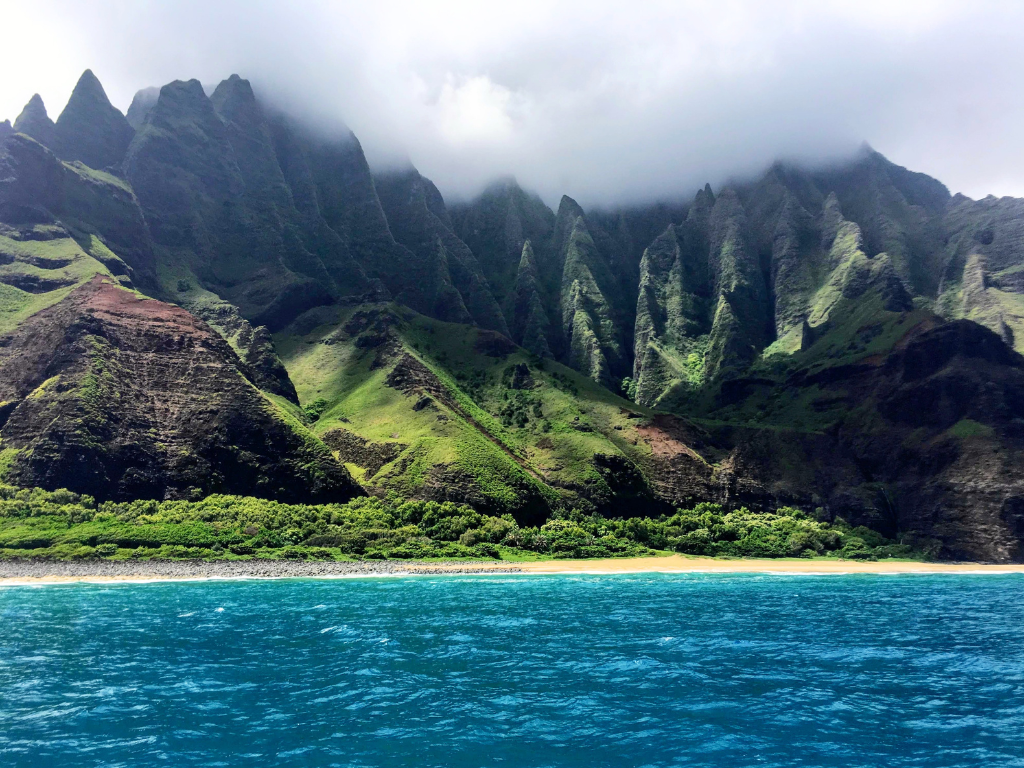
Kauai helps you unwind from the rush of daily life, letting the natural surroundings gently capture your attention. Water shapes the island in every direction.
Rain falls through the peaks of Mount Waiʻaleʻale, its name translating to “rippling waters” in Hawaiian, while rivers like the Wailua River, Hawaii’s only river you can explore by boat, wind gently through deep valleys.
Waterfalls spill through the Hā‘ena State Park rainforest, a vibrant rainforest resting at the very end of the road on Kauaʻi’s North Shore, literally the very end of the highway.
.png)
And the ocean frames everything, from Hanalei Bay to Poʻipū, and the breathtaking Nā Pali Coast…a place so cinematic, it has set the scene for films like Jurassic Park, The Lost World: Jurassic Park, Avatar, King Kong, and Six Days, Seven Nights starring Harrison Ford, as well as the series Lost.
It also appeared in Pirates of the Caribbean: On Stranger Tides, which filmed coastal scenes along Kauaʻi’s Nā Pali Coast, including areas near Honopū Arch.
Inland, places like Kōkeʻe State Park hold thick forests that feel untouched and still. Along the coast, cliffs at Kalalau and Polihale open into vast expanses that make everything feel bigger and quieter at the same time. Towns like Hanalei and Kīlauea move differently, too. Slower. Softer. More grounded.
That’s why Kauai, and its many Hawaii retreats focused on rest, healing, and reconnection, is such a powerful place to recover from burnout, take a digital detox, or begin an emotional reset.
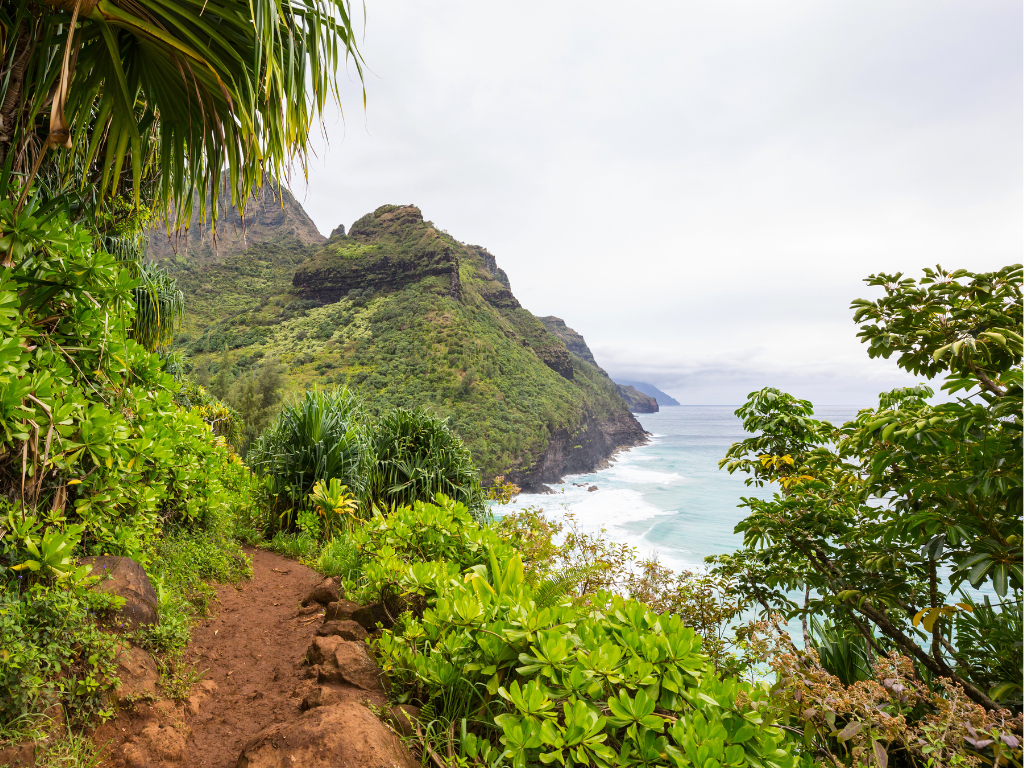
Kauai’s restorative effect is sensory. It’s in the way the air hits your skin, the golden shift of light, and the deep, grounding hum of the ocean. The whole island seems to work together to gently coax your mind and body back into balance.
1. Nervous system settling through environment
With fewer people and wide open natural sounds, your mind can quiet down without any effort.
2. Nature as grounding
Spending time by the ocean, in forests, or near mountains naturally helps you feel more present.
3. Constant presence of water
The sounds of rivers, waterfalls, and the coastline create a gentle background that helps you relax.
4. Slow-moving landscape
The winding roads and changing landscape naturally slow down your pace as you travel around the island.
5. Fewer external demands
With less pressure to always be doing something, you can turn your attention inward and feel more at ease.
Together, these conditions support burnout recovery and emotional recalibration.
Wellness in Kauai comes from smaller, more personal experiences that are part of the island, not from big, centralized retreats.
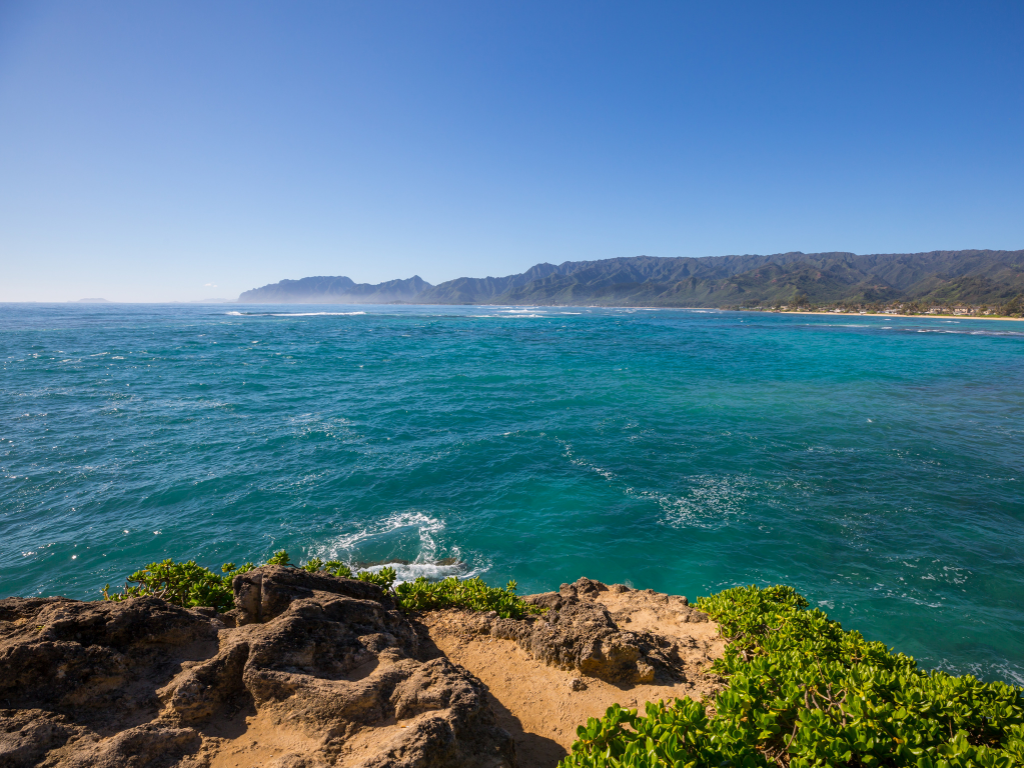
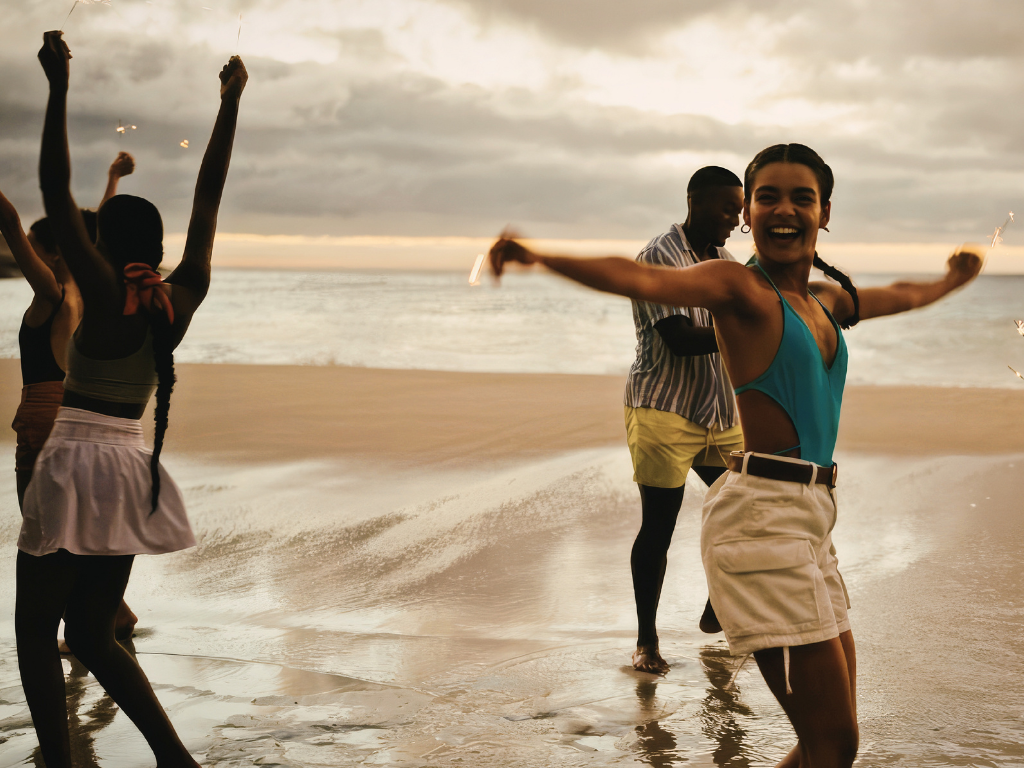
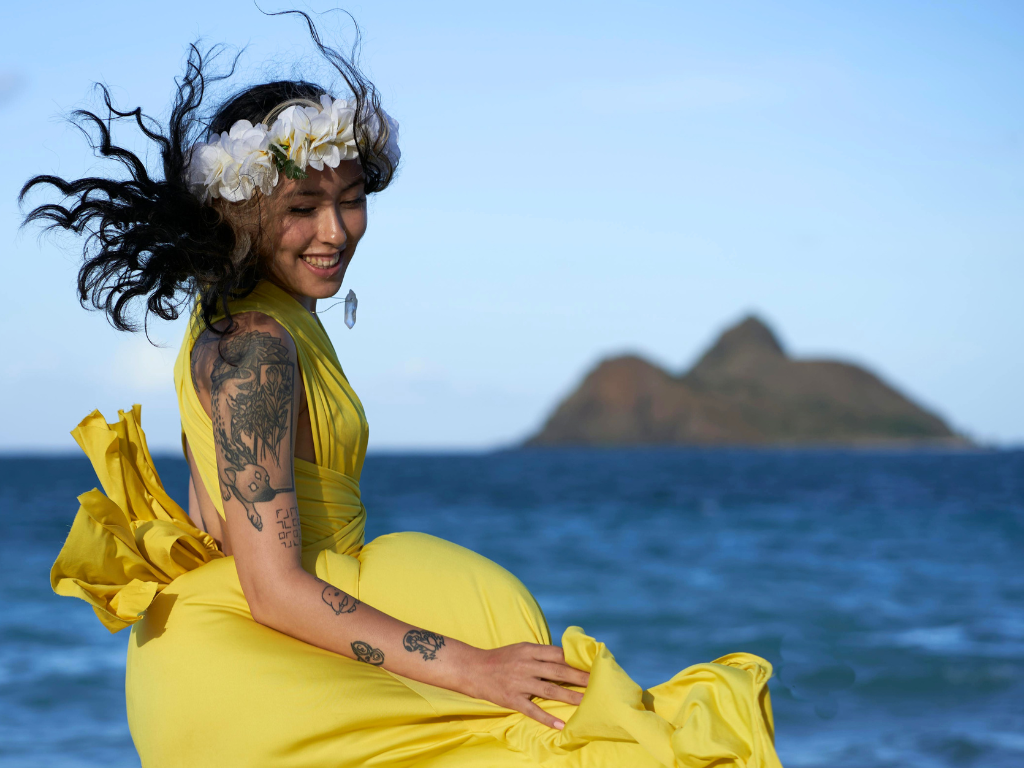
It’s important to approach wellness experiences here with respect for local culture, especially when connecting with Hawaiian spirituality, the land, and traditions that are deeply rooted in Kauai.
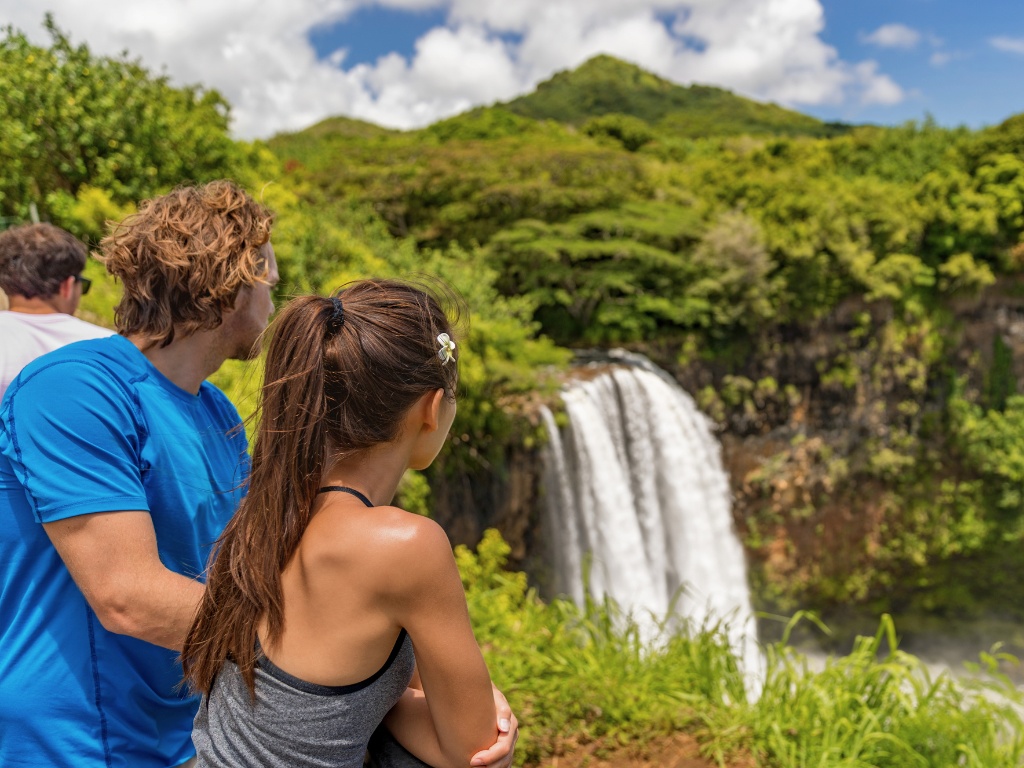
In Kauai, wellness is part of how you explore the island and spend time outside.
It usually feels unstructured, as if you’re just living a bit closer to nature.
Each part of Kauai offers a different experience, shaped by its scenery, how easy it is to get around, and the local pace of life.
1. North Shore
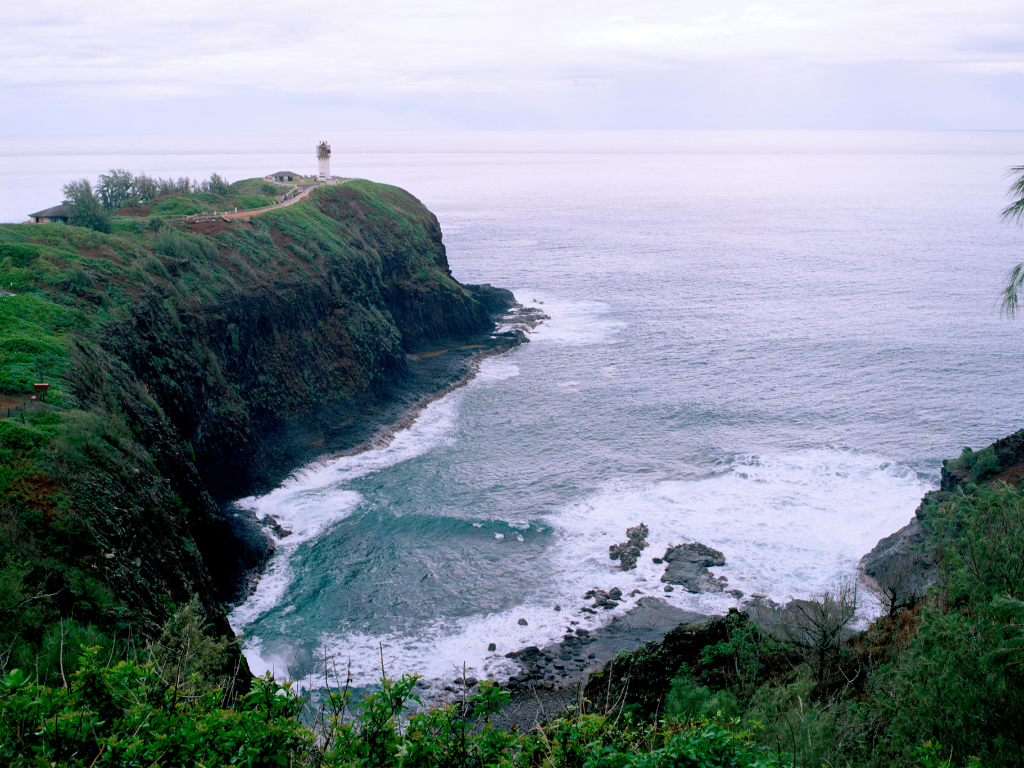
The North Shore, including Hanalei Bay and Princeville, is the lushest and most open part of Kauai, with rainforests, quiet coastlines, and places to stay that offer privacy and a close connection to nature.
2. South Shore
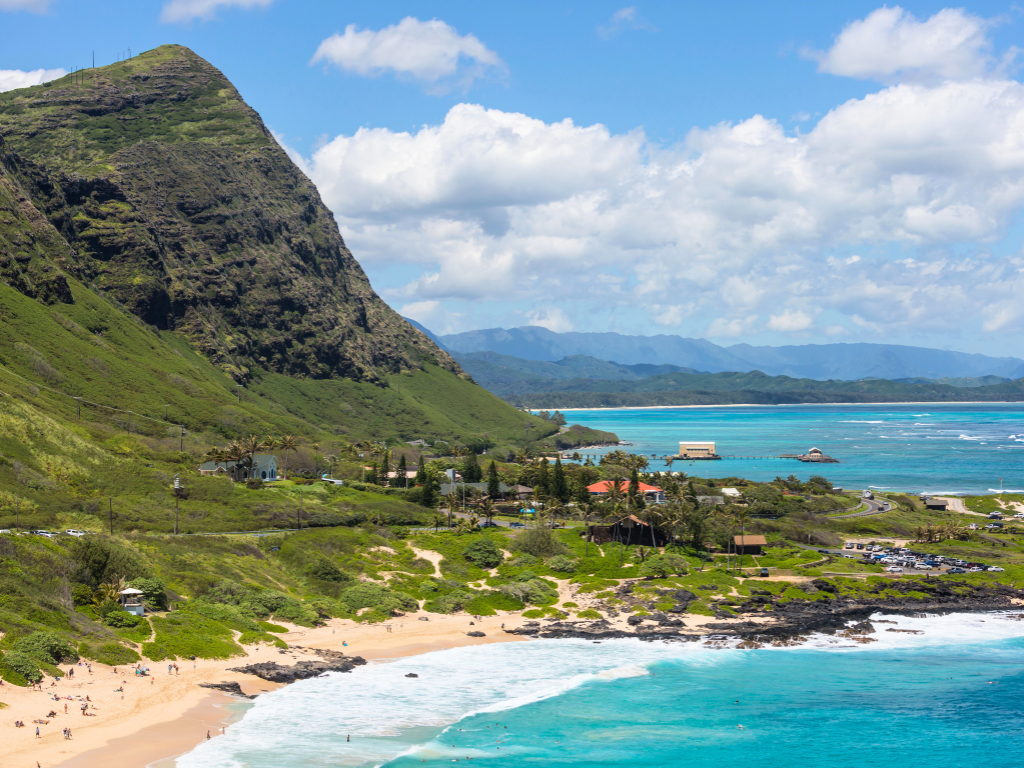
The South Shore, including Kōloa and Kukuiʻula, is sunnier and more open, with resorts, beaches, and easy access to daily comforts. It’s a relaxed and convenient place to stay.
3. East Coast (Coconut Coast)
.png)
The East Coast, or Coconut Coast, including Kapaʻa and Līhuʻe, is in between the North and South Shores. It’s scenic, easy to get around, and has a good balance of local life and ocean views.
1. Eco-luxury resorts
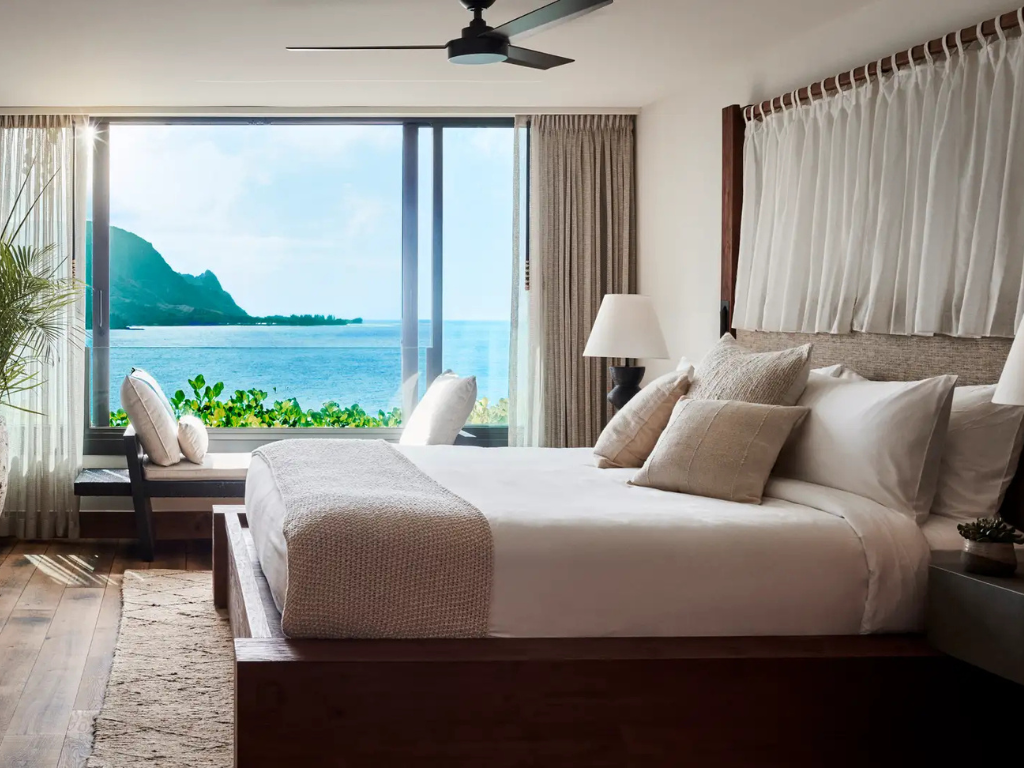
Nature-centered stays with spa experiences, comfort, and elevated amenities set within natural surroundings
2. Boutique hotels and villas
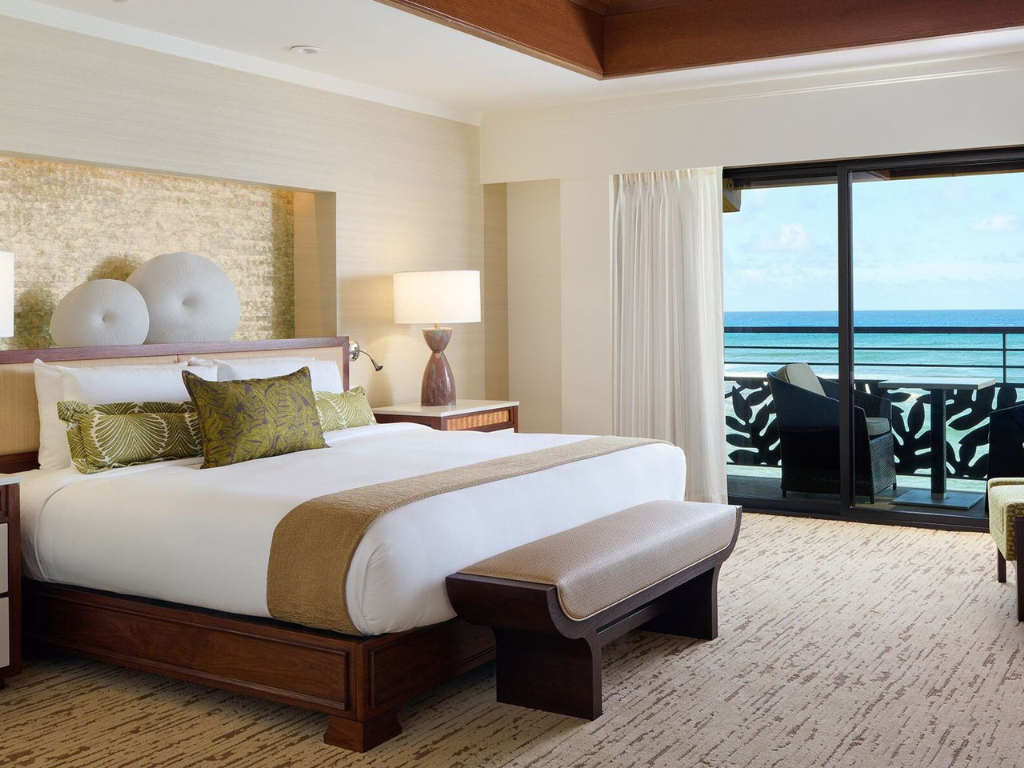
Smaller, more personal spaces with thoughtful design, often closer to local towns and everyday island life
3. Resort-based wellness programs
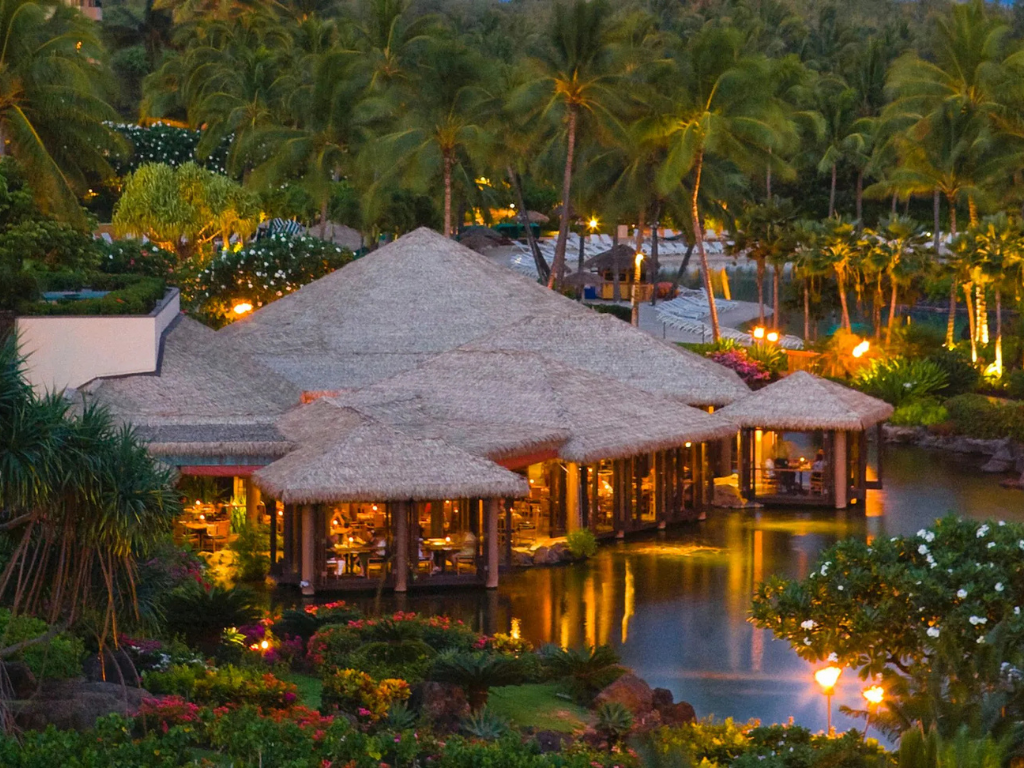
Hotels that integrate spa treatments, yoga, and mindfulness into the stay itself.
Here, wellness and accommodation are often experienced together, woven into the place you stay rather than separately.
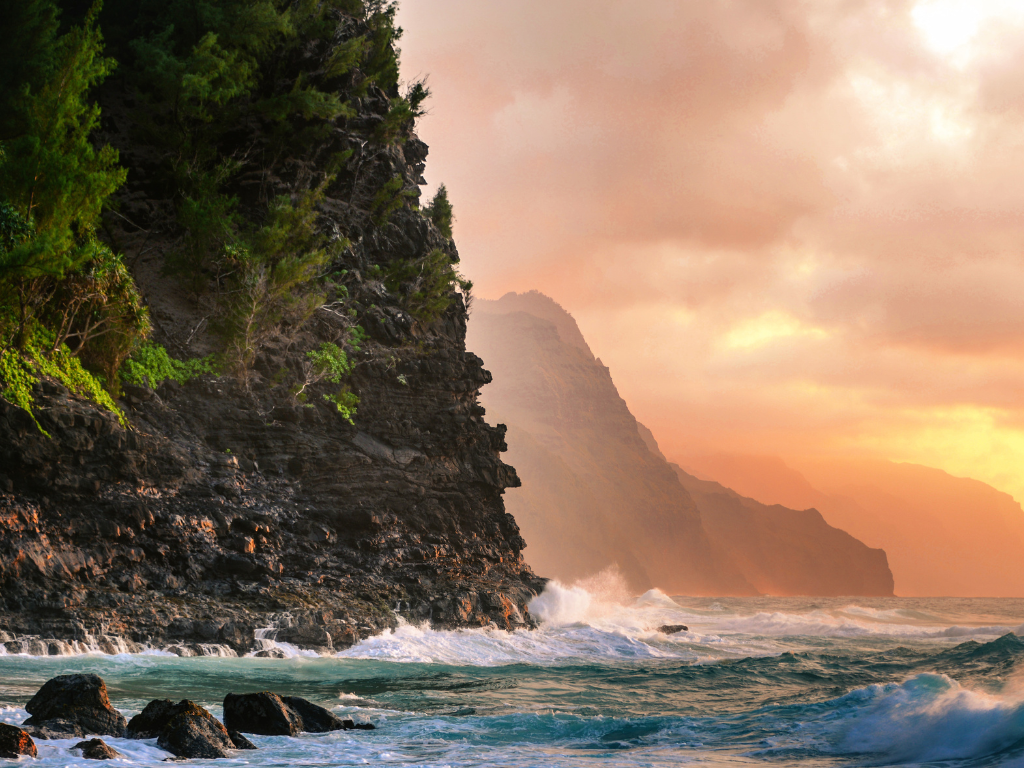
Beyond its natural wellness atmosphere, Kauai is known for classic outdoor adventures, scenic drives, and iconic sightseeing experiences spread across the island.
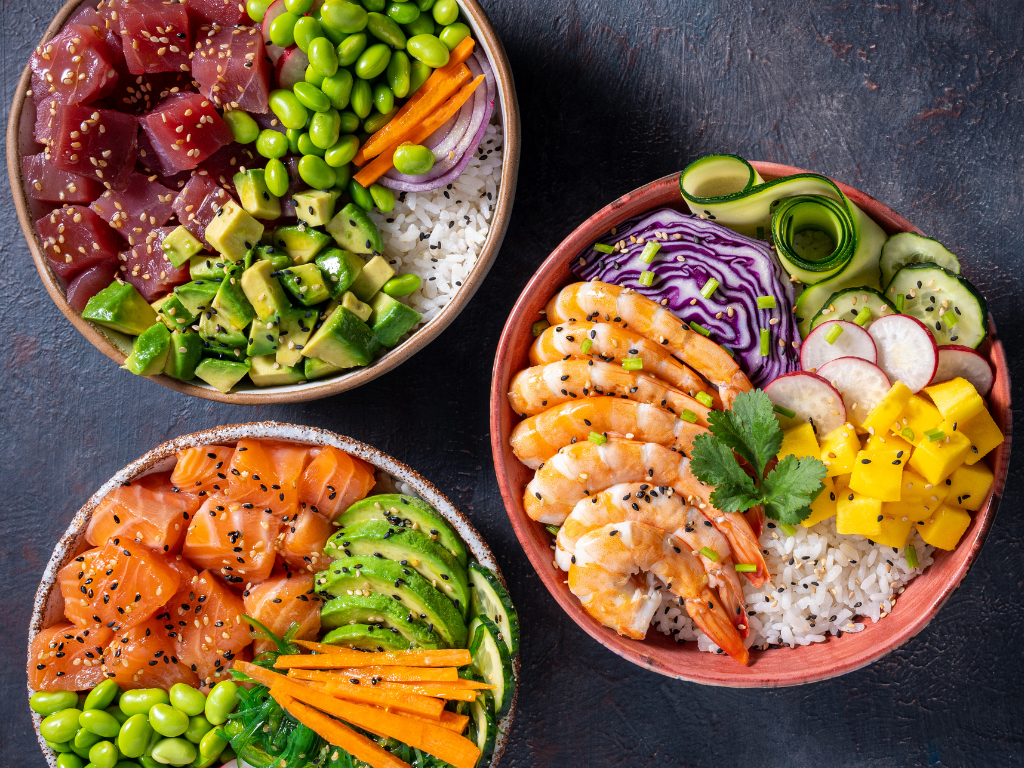
Food in Kauai is simple and closely tied to the island, using ingredients that come straight from the ocean and the land.
1. Fresh seafood and tropical produce: Common dishes include poke, a fresh Hawaiian dish made with raw fish cubes seasoned with soy sauce, sesame oil, and simple mix-ins like onions or seaweed; grilled mahi-mahi, a mild, flaky white fish often served with rice or tropical sides, and ono, a firm, mildly sweet fish known for its clean flavor and its name meaning “delicious” in Hawaiian.
2. Farm-to-table restaurants (North Shore and South Shore): In Hanalei (North Shore) and Kōloa/Poʻipū (South Shore), places like The Dolphin Restaurant, Eating House 1849, and Bar Acuda highlight locally sourced ingredients that change with the seasons.
3. Cafés and wellness-friendly spots: Kauai Juice Co., Anake’s Juice Bar, and Java Kai offer fresh juices, smoothie bowls, and simple, lighter meals.
4. Resort dining with a local focus: In Princeville and Poʻipū, resorts like 1 Hotel Hanalei Bay and Grand Hyatt Kauai feature menus centered around local fish, produce, and seasonal ingredients.
.png)
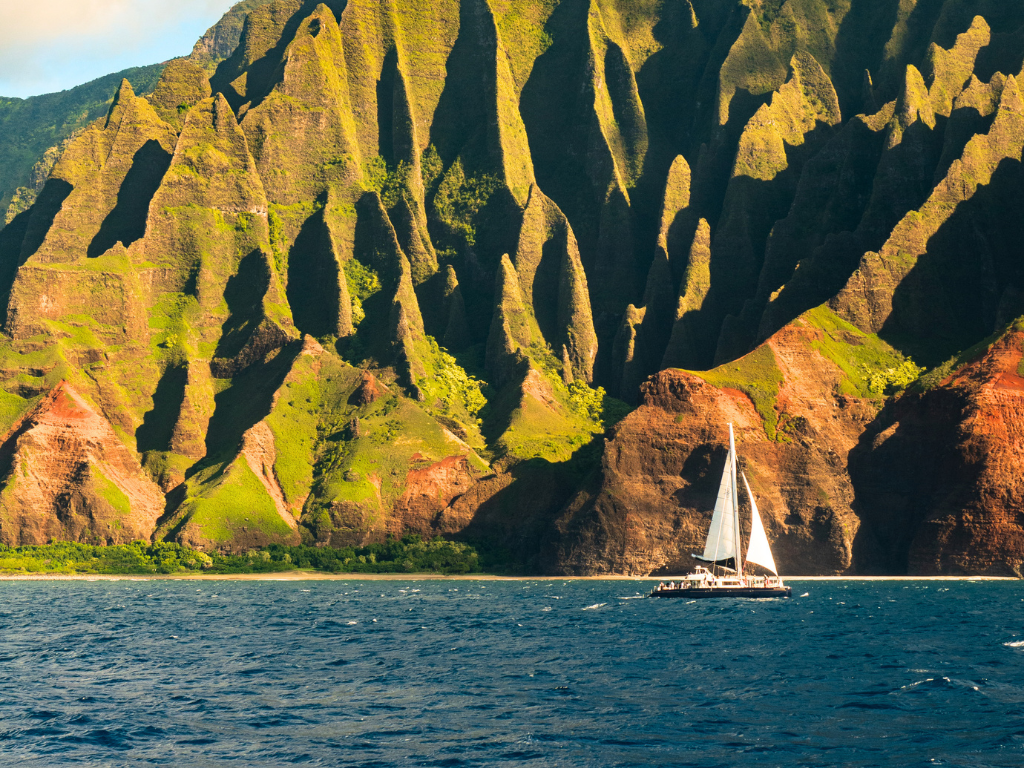
Kauai is a place you can visit any time of year, but each season brings its own feel and small changes to your experience.
Best wellness windows:
Peak periods:
Seasonal feel:
Its watershed helps feed river systems like the Wailua River and supports the island’s intensely green valleys across multiple regions.
For wellness travel, shoulder seasons offer a quieter, less crowded experience. Places like Hanalei Bay, Poʻipū, and the inland valleys see fewer visitors.
Towns such as Kīlauea and Hanalei move at a slower pace, making it easier to experience the island’s natural stillness without interruption.
.png)
You’ll enjoy Kauai more if you don’t pack your days too full and instead move at a steady, relaxed pace.
1. Access: Flights via Honolulu and mainland U.S. cities
Most routes pass through Honolulu, though direct flights from major mainland cities are available. Inter-island flights are short and frequent.
2. Transport: Rental car is essential
Having a car lets you explore at your own pace, since many beaches and natural spots aren’t easy to reach on foot or by public transport.
3. Getting around: Slower travel pace
There’s only one main road and no full loop around the island because of the Nā Pali Coast, so getting around takes time and driving is naturally slower.
4. Connectivity: Strong in towns, limited elsewhere
You’ll get good phone signal in the main towns, but it’s limited in remote areas and some parts of the North Shore.
5. Safety: Generally safe, with natural considerations
The island is generally safe, but you should pay attention to ocean conditions, trails, and the weather.
6. Cost: Higher overall travel costs
Kauai can be pricey, especially for places to stay and eat, but you can find local options to help balance costs.
7. Best time to plan your days: Mornings work best
Starting your day early helps you avoid crowds and gives you more flexibility.
8. Reservations and permits: Book in advance
Some parks and popular activities need reservations in advance, especially during busy seasons.
.png)
Kauai is one of those rare places where having a light schedule is a good idea. It’s made for slow mornings and is best enjoyed with fewer plans and more time to just experience the island as it comes.
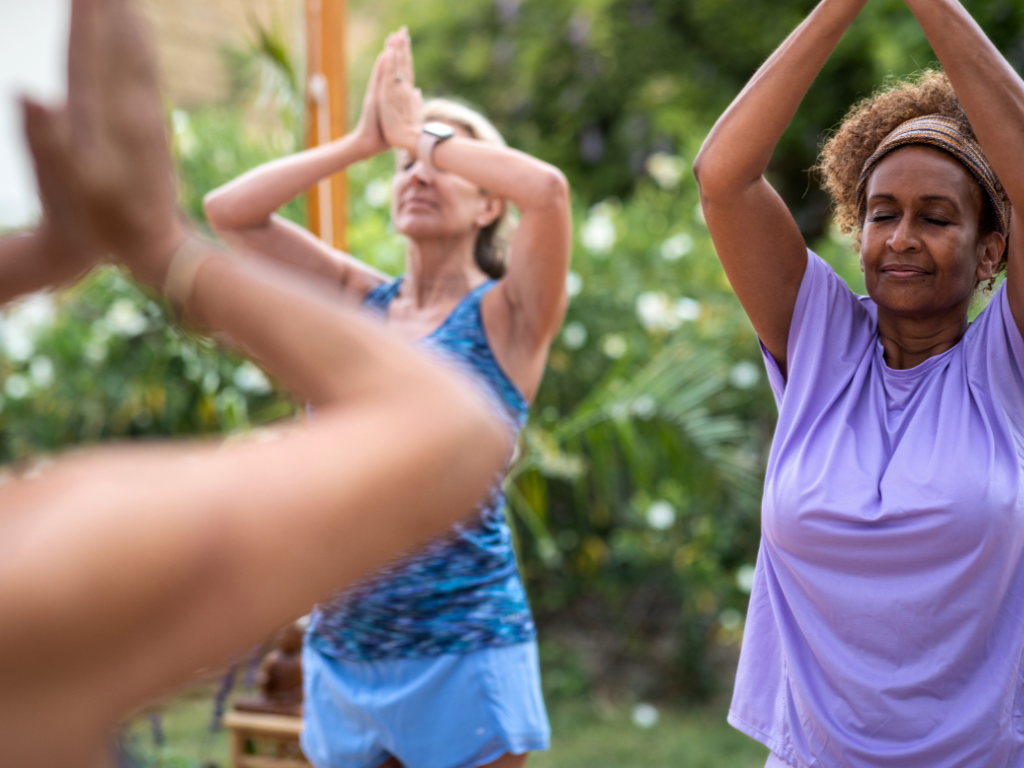
Kauai can be experienced through both group retreat settings and independent or private travel, with each offering a different kind of depth depending on how you want to move through the island.
a. Group retreat (structured experience)
This works well if you’re looking for gentle guidance, shared space, and thoughtfully curated wellness practices.
A Kauai-based group retreat with Shamanic Spirit Medicine offers a supportive environment where rest, reflection, and inner work unfold alongside a small community moving through a similar experience.
b. Independent/private travel (self-guided experience)
A better fit if you prefer solitude, flexibility, and open time. Here, your days aren’t shaped by a program, but by how you feel, where you want to go, and what the island is offering in the moment.
Often, the most meaningful Kauai experience sits between the two: some structure for grounding, with plenty of space left open for unplanned time in nature.
.png)
Kauai reminds us that we are part of nature, not separate from it. When you walk these ancient cliffs or sit by a hidden waterfall, you’d realize you’re a guest in a home that has been settling into its own peace for millions of years.
Let the wild landscapes and the many Hawaii retreats tucked quietly into them give you perspective.


 Log in with Google