
Article by:
Retreat Finder

The Lake Champlain Islands are a world apart from Vermont’s busy ski resorts and luxury retreats. Set between Burlington and the Canadian border, these islands have a simple charm: small lakeside towns connected by bridges, old farms, open fields, and the steady calm of the water.
Driving here feels tranquil. Long bridges and quiet causeways stretch across the water, with the lake sparkling on both sides as though you’re gently floating from one island to the next. For a slower, more calming experience, a Vermont retreat fits naturally into the easy pace of this place
Lake Champlain is one of the largest freshwater lakes in North America, stretching gently between Vermont and New York, with its northern waters reaching into Canada. Long before modern travel, Indigenous peoples, including the Abenaki, lived throughout the Lake Champlain region.
They moved seasonally across the waterways for hunting, fishing, and trade. Canoes carried them along interconnected rivers and across the lake, shaping a deep relationship between people and water that still echoes through the landscape today.
There’s also a local, well-known lake legend about “Champ” (often called “Champy”), said to live in the long waters of Lake Champlain.
People describe it in all kinds of ways; sometimes as a long, snake-like creature moving just beneath the surface, other times as something that feels almost prehistoric.
Over the years, it’s become one of North America’s most enduring lake stories, often nicknamed “America’s Loch Ness Monster,” woven into the folklore and imagination of the region.
The overall feeling of the Lake Champlain Islands is refined-rustic and quietly restorative. The region feels more like a collection of peaceful lakeside communities, each with its own quiet rhythm.
Lake Champlain has about 80 islands, but only a handful, like Grand Isle, North Hero, South Hero, and Isle La Motte, are inhabited and regularly visited, with the rest staying mostly quiet and untouched.
The islands speak most to travelers who are drawn to simple pleasures and slower, quieter days.
A visit to the Lake Champlain Islands changes noticeably with the seasons, and timing plays a big role.
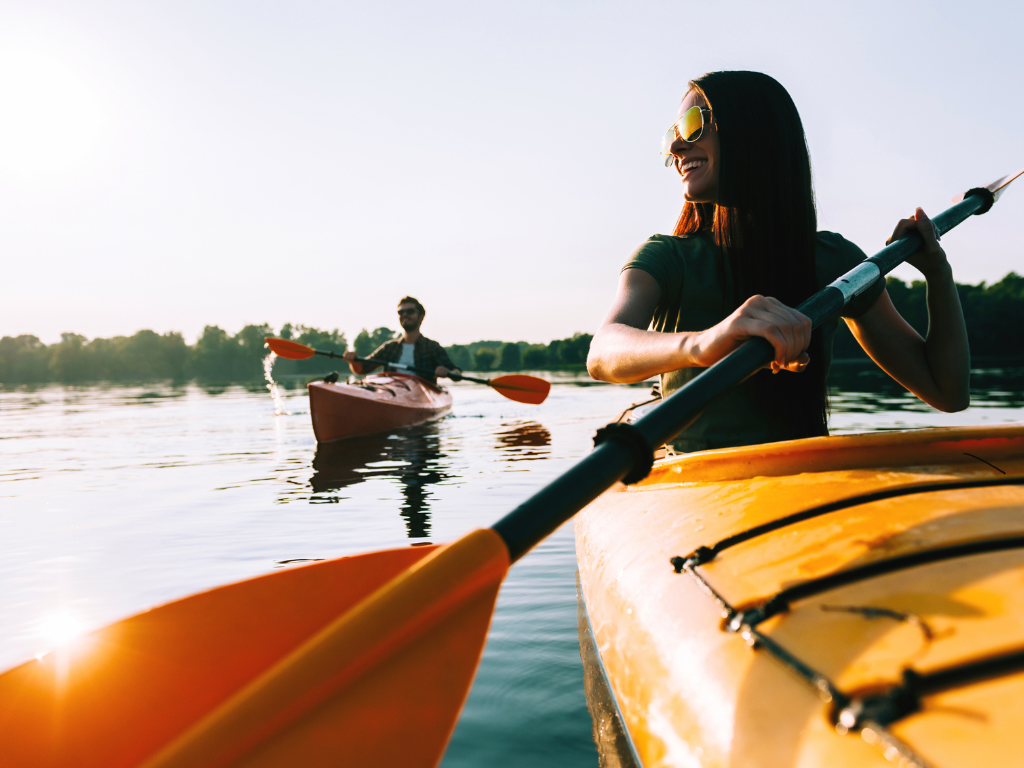
Summer is the easiest and most versatile season for wellness travel in the Lake Champlain Islands. This is the best time for:
July and August bring the warmest weather, but also the highest accommodation demand.
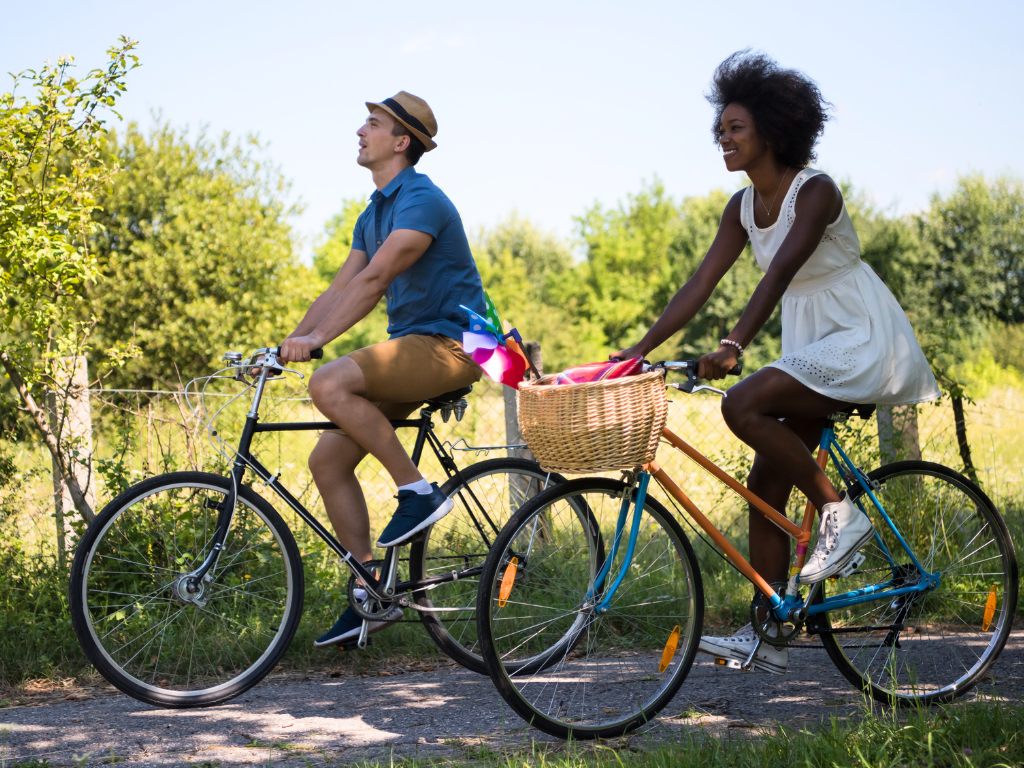
For many travelers, early fall is the sweet spot. The energy softens after summer crowds fade. Orchards and cider stands become central to the experience. Mornings turn crisp. Foliage begins to emerge.
The atmosphere becomes more contemplative and spacious. This is an especially strong season for:
Late spring can feel peaceful and fresh, though the weather can still be unpredictable, and lake water remains cold well into early summer. Some seasonal businesses may not fully reopen until Memorial Day.
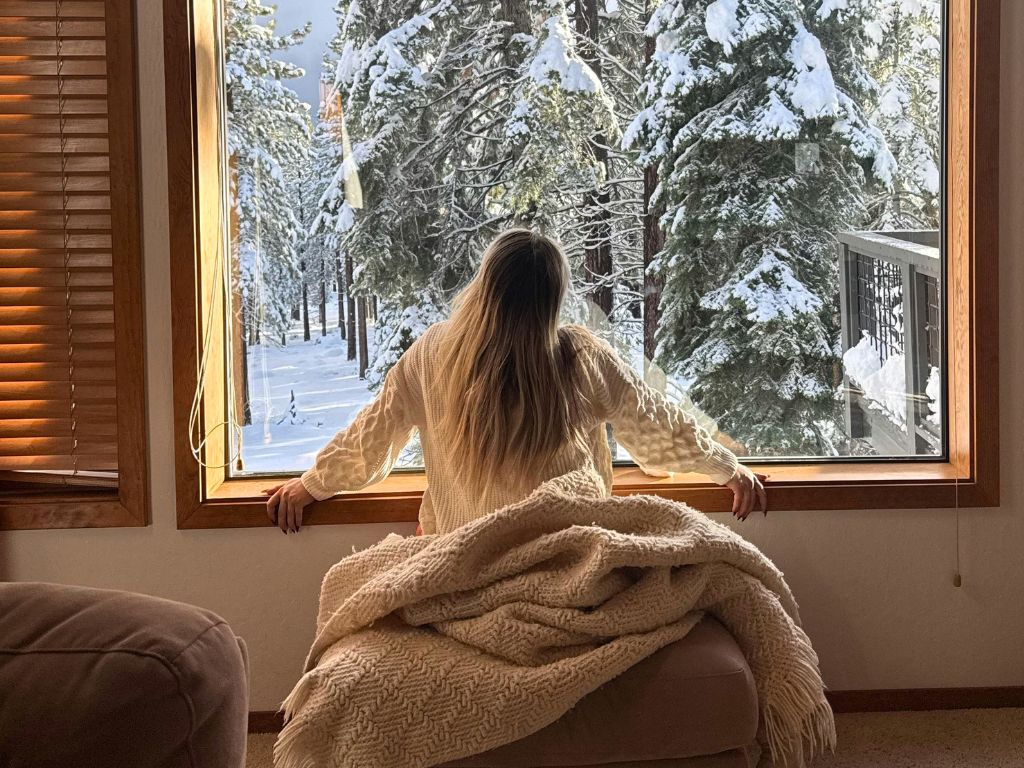
But travelers should expect limited services, icy conditions, and fewer open businesses. This is not a polished winter wellness destination in the way Stowe or Woodstock may be.
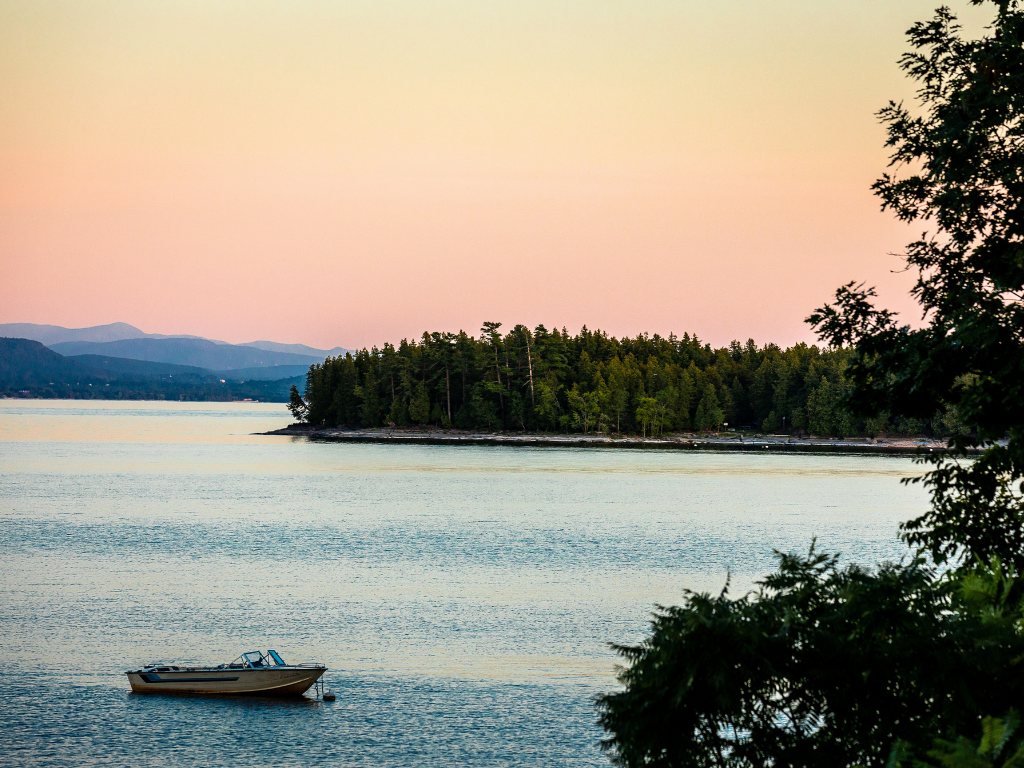
The sense of healing here comes from the open water, the wide skies, and the steady shoreline of the Lake Champlain Islands. The lake is at the heart of it all, and just spending time by the shore can slow you down and calm your mind.
1. Water and Horizon Space
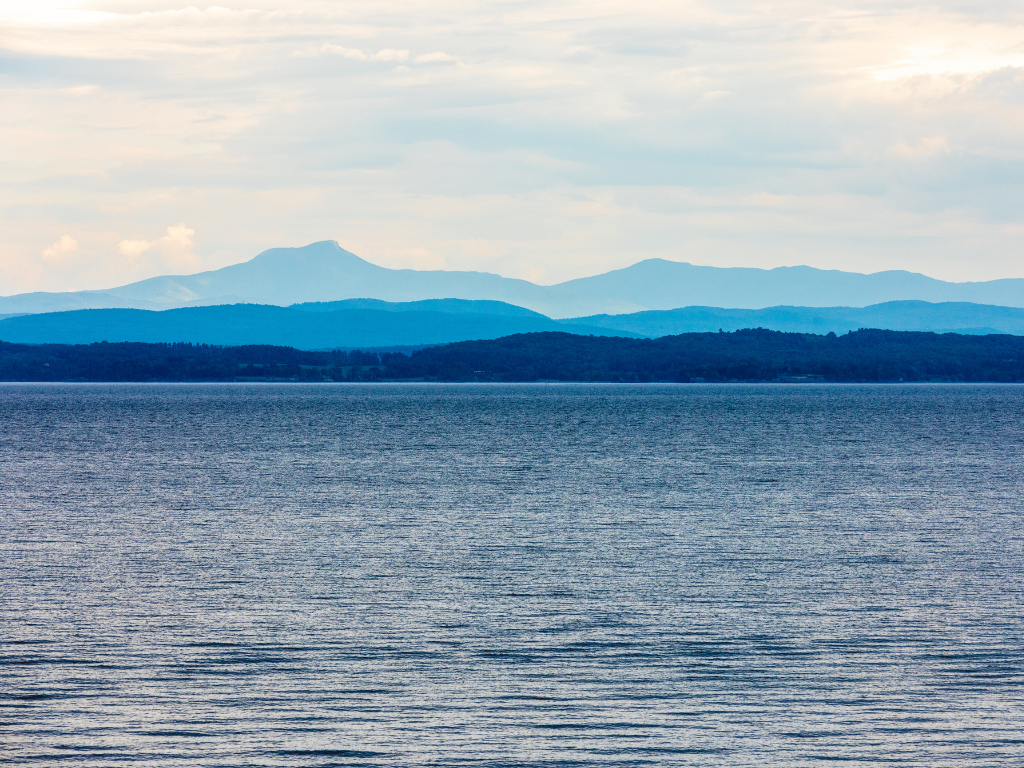
Lake Champlain is at the heart of the experience. The open water, sky, wind, and shoreline together create a spacious feeling that many visitors find calming. Just sitting by the lake can help slow down your day.
2. Gentle Movement
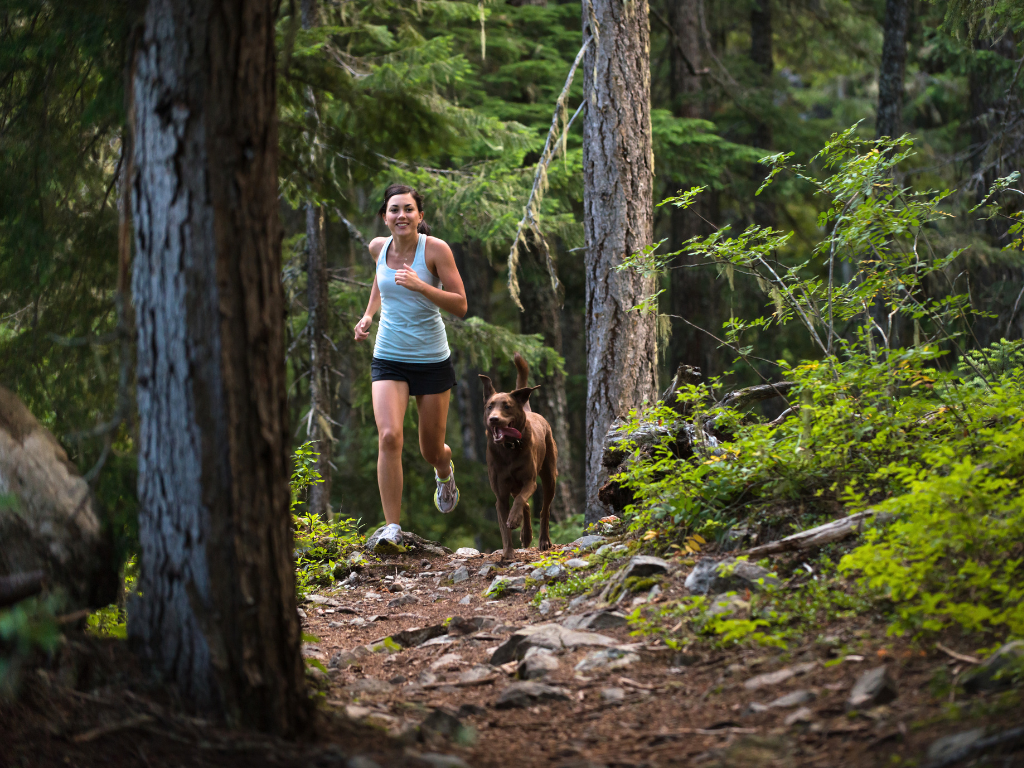
The Islands are perfect for relaxed physical activity instead of intense workouts. The Lake Champlain Bikeways network is a great choice for travelers who enjoy active wellness and cycling getaways.
3. Seasonal Nourishment
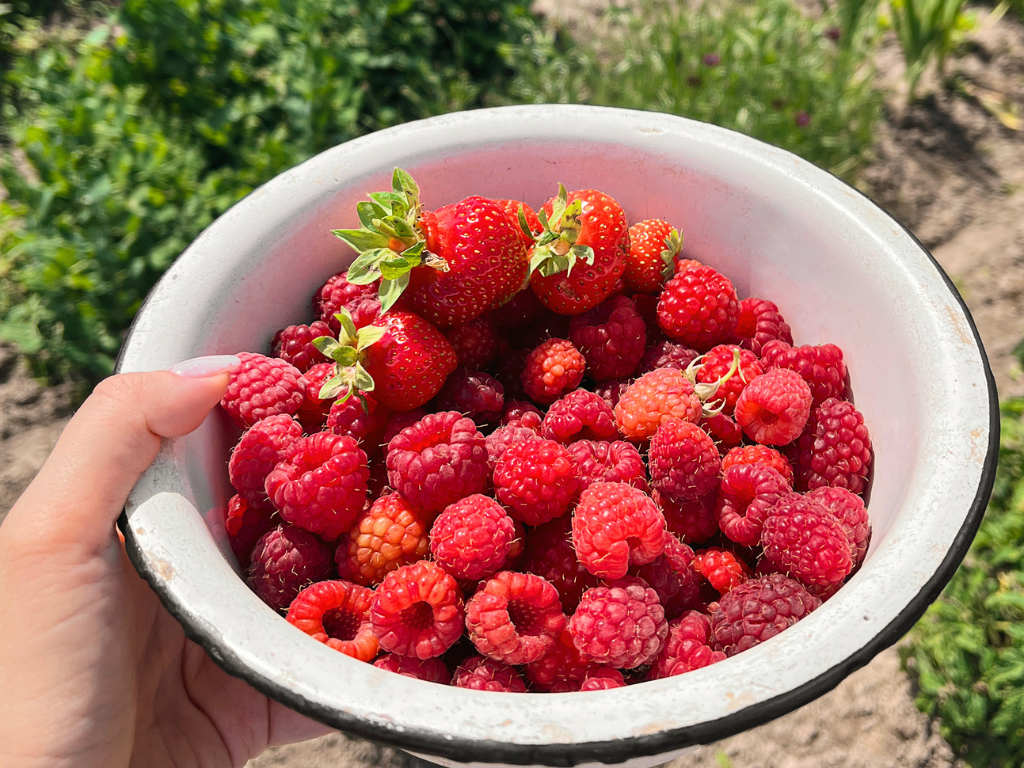
The farming traditions of the area encourage a slower, more mindful way of enjoying food.
Expect:
The food culture here feels rooted in place rather than wellness trends.
4. Spiritual Quiet
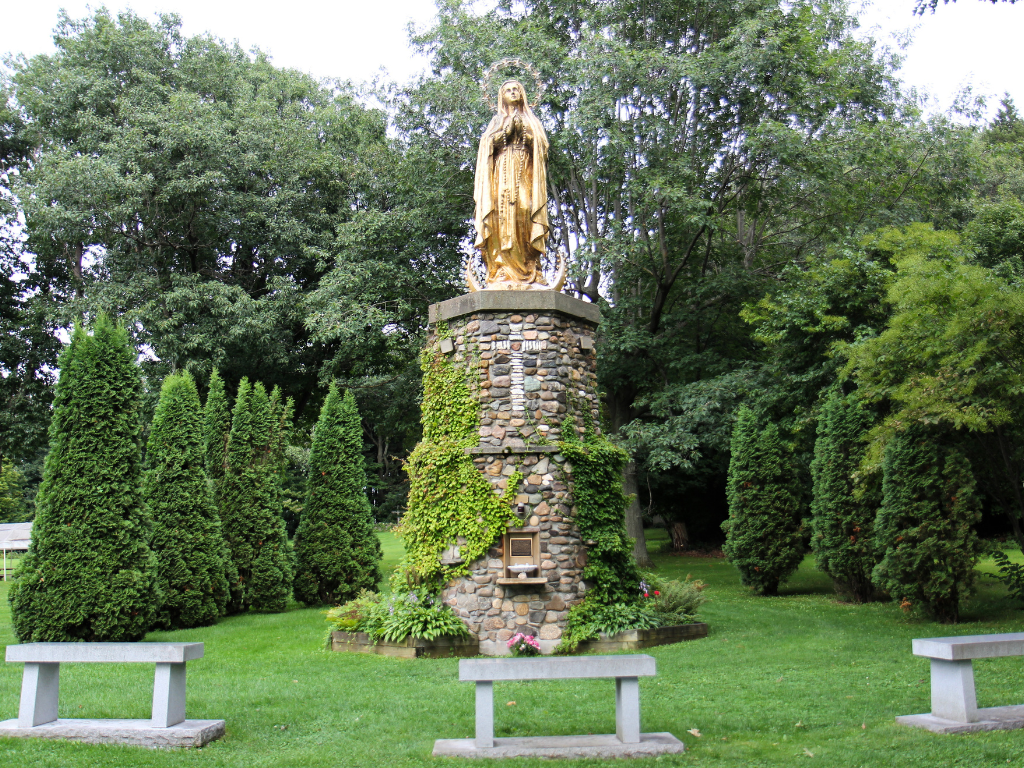
One of the region’s most meaningful spiritual spaces is Saint Anne’s Shrine on Isle La Motte, a longstanding pilgrimage and retreat destination focused on prayer, reflection, hospitality, and renewal.
Even for nonreligious travelers, the Islands offer a contemplative atmosphere that supports stillness and perspective.
5. Geological History
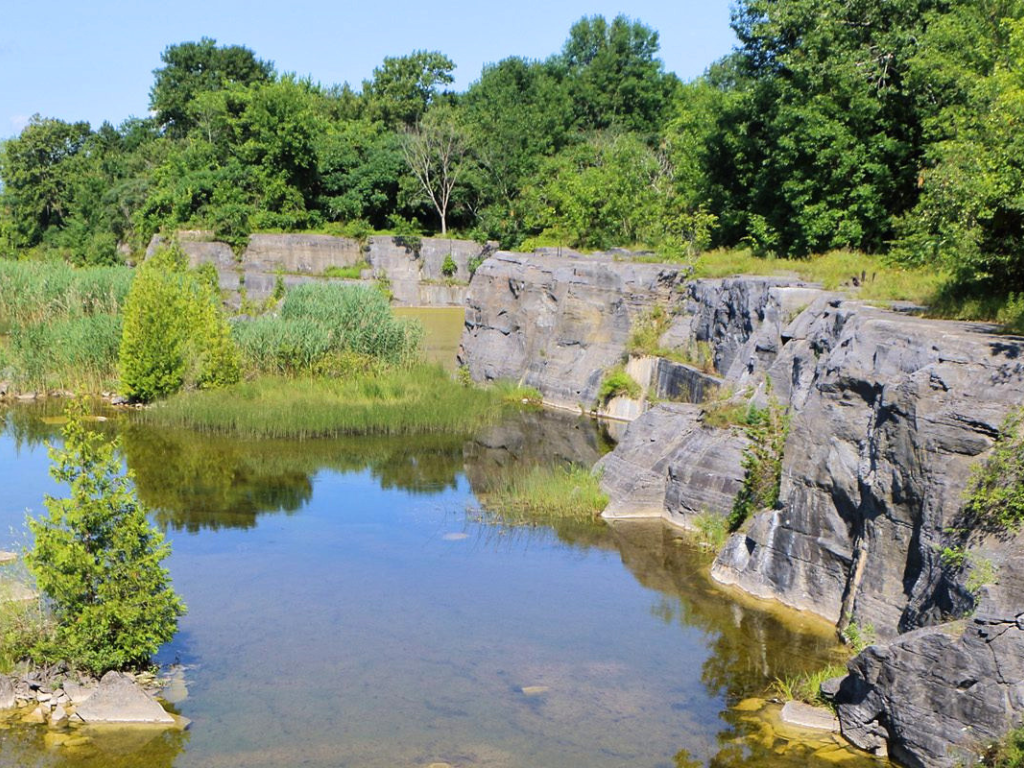
The Fisk Quarry Preserve on Isle La Motte, which is part of the Chazy Fossil Reef National Natural Landmark, brings something unique to the area.
Walking among the ancient fossils and stone paths gives you a rare sense of the land’s long history. It reminds you how old, peaceful, and lasting this place is.
Life here naturally slows you down, letting simple moments outdoors become the most refreshing and memorable part of your stay.
1. Sunrise and Sunset by the Lake
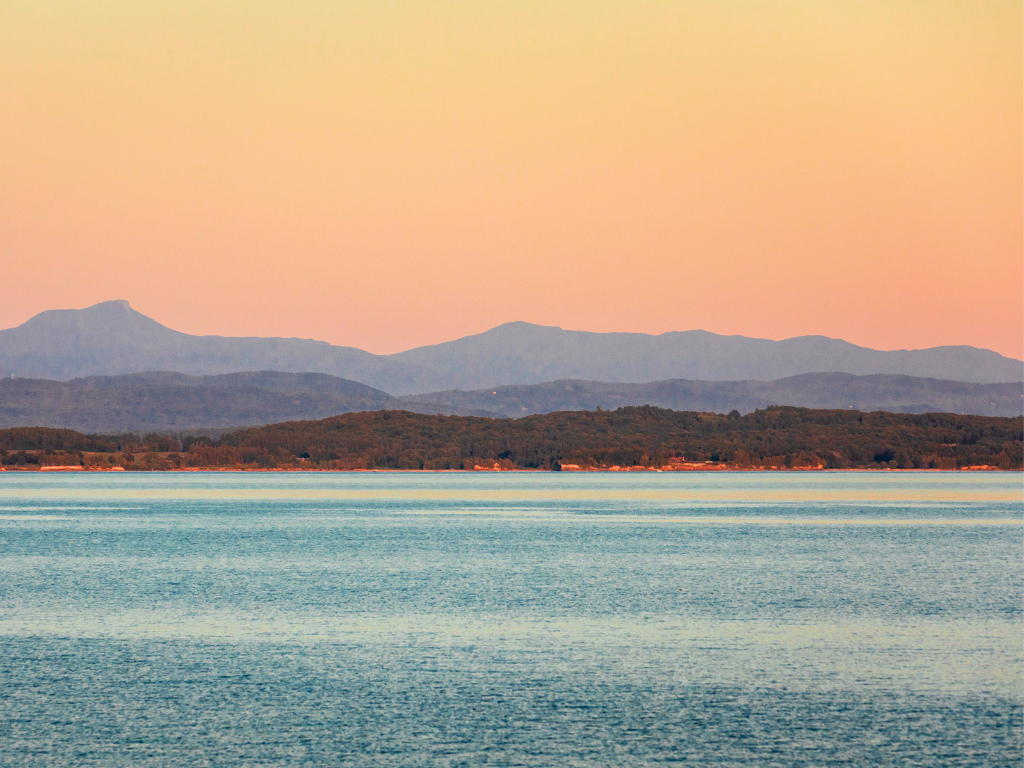
The experience is simple but unforgettable. Many visitors say their most relaxing moments here happen when they have no set plans.
2. Wellness Retreats
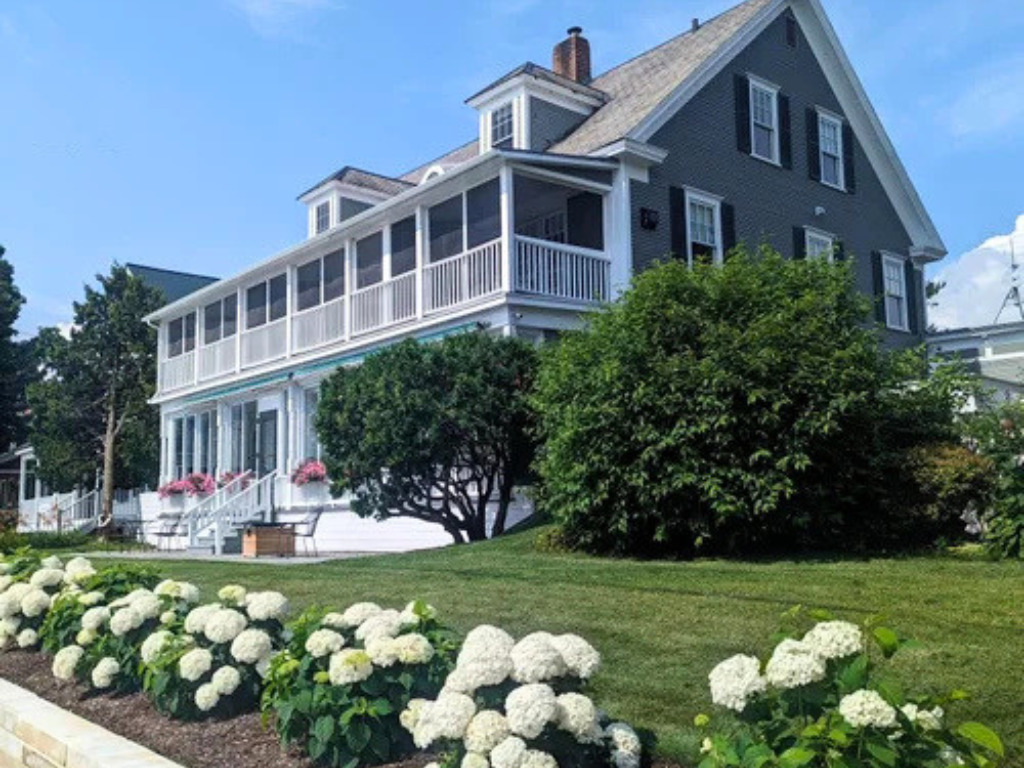
Beyond independent travel, the Lake Champlain Islands also fit well with self-paced Vermont retreats that lean more into simple, everyday wellness activities than anything structured or formal.
A typical day might include a slow-morning yoga session or gentle stretching by the water, time for meditation outdoors or in a quiet spot with a view of the lake, and the occasional spa treatment or massage in nearby towns if you want something more restorative.
A lakeside stay such as North Hero House makes this kind of rhythm easy. Stay, dine, and unwind right by the water, with waterfront rooms, relaxed on-site dining, and everything you need close by.
3. Cycling the Champlain Bikeways
.png)
Cycling lets you take in the Islands at a relaxed pace, with easy terrain, beautiful roads, and changing lake views that naturally set a calm rhythm. Many visitors also explore the Lake Champlain Bikeways network; flat, scenic routes that pass farmland, shoreline views, and small villages, or enjoy relaxed scenic drives between the islands.
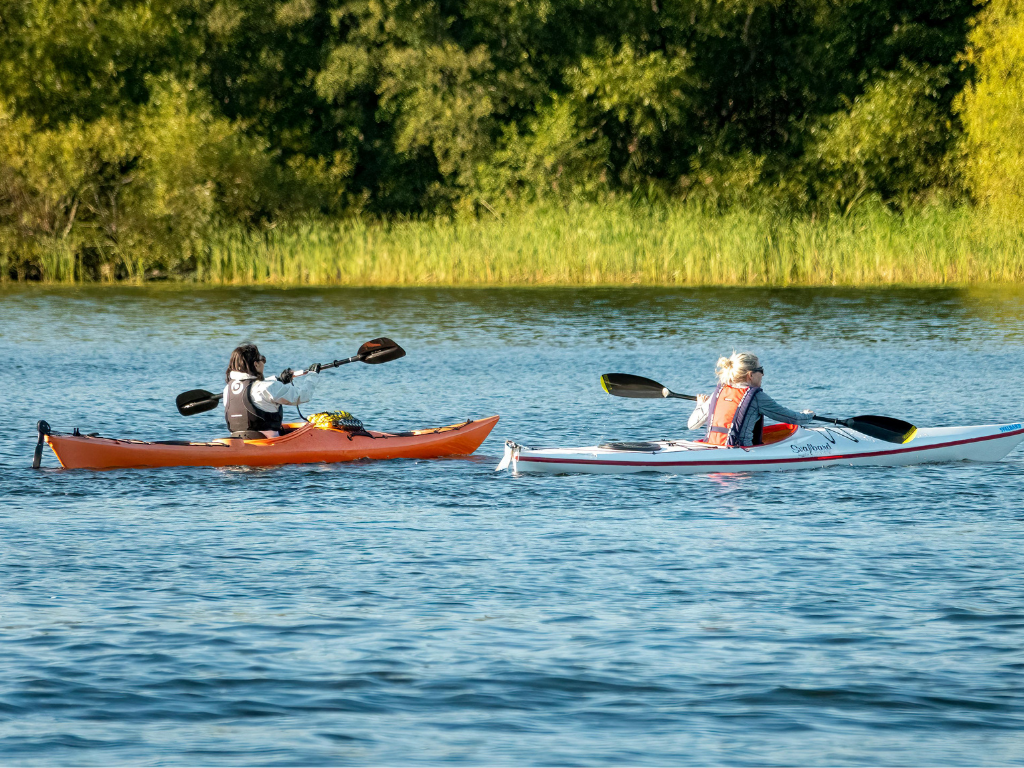
4. Paddling and Kayaking
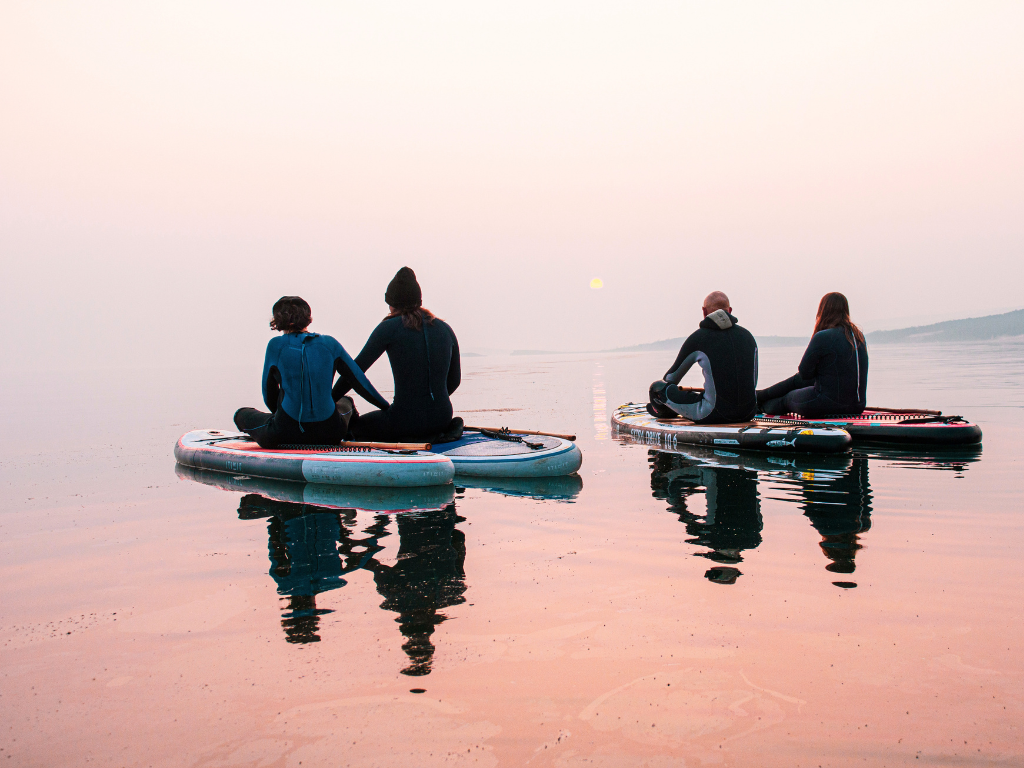
On calm days, kayaking and paddleboarding can feel very grounding. Still, it's important to check lake conditions, weather, and water-quality updates before heading out.
Retreat offerings here are generally small-scale and often hosted in inns, cabins, or private rentals, giving them an intimate, unpolished feel. Unlike destinations built around wellness tourism, the Islands act more as a quiet backdrop for retreats rather than a heavily developed retreat hub.
1. Yoga and Mindfulness Retreats
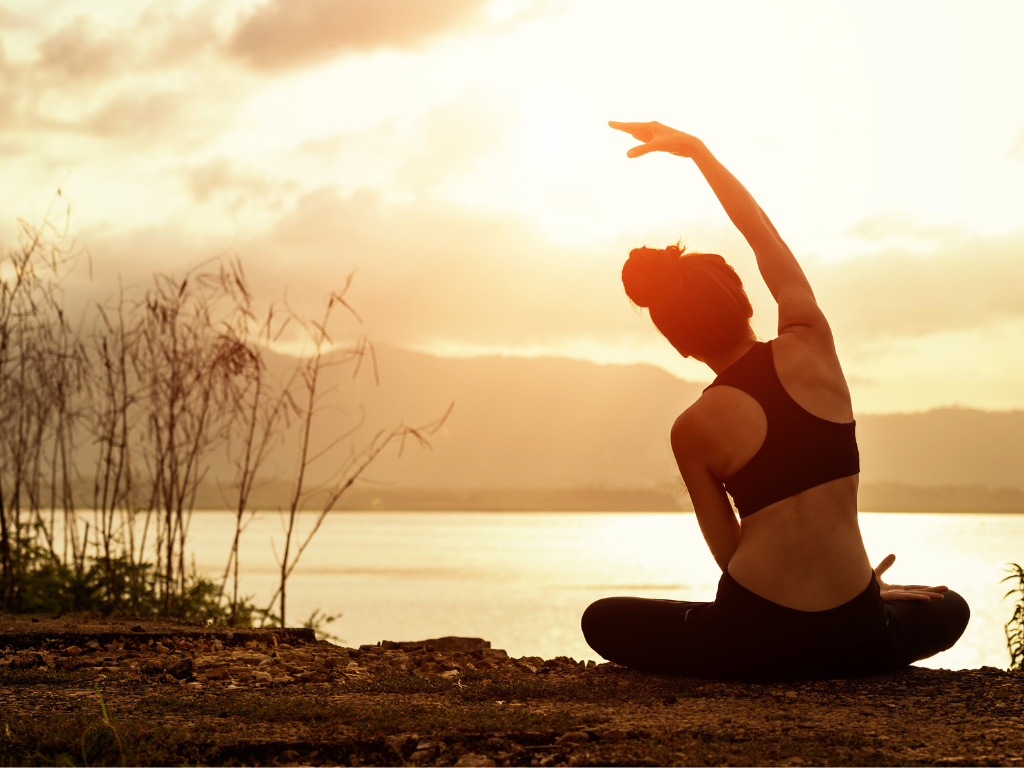
Best in summer and fall, especially when paired with outdoor movement, lake access, and quiet accommodations.
A self-paced personal retreat at a historic lakeside inn like North Hero House on Lake Champlain offers a simple, unstructured stay with wellness support, on-site dining, and direct access to the water, giving space to rest, reflect, and move through the day without a fixed schedule or group program.
2. Renewal Retreats
.png)
The Islands’ calm setting is perfect for a solo or couple retreat, or group gatherings focused on rest, conversation, journaling, and living with the seasons.
3. Creative and Writing Retreats
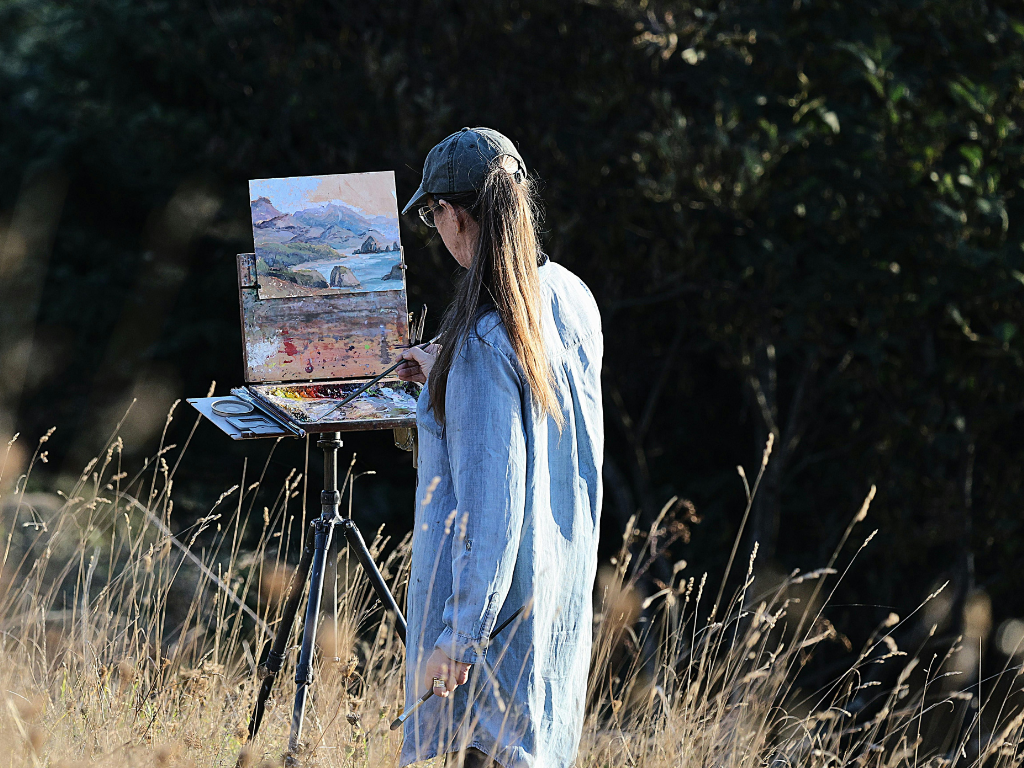
This could be one of the area’s best untapped opportunities. The mix of quiet, beautiful scenery, and few distractions makes the Islands a great place for creative work.
4. Spiritual Retreats
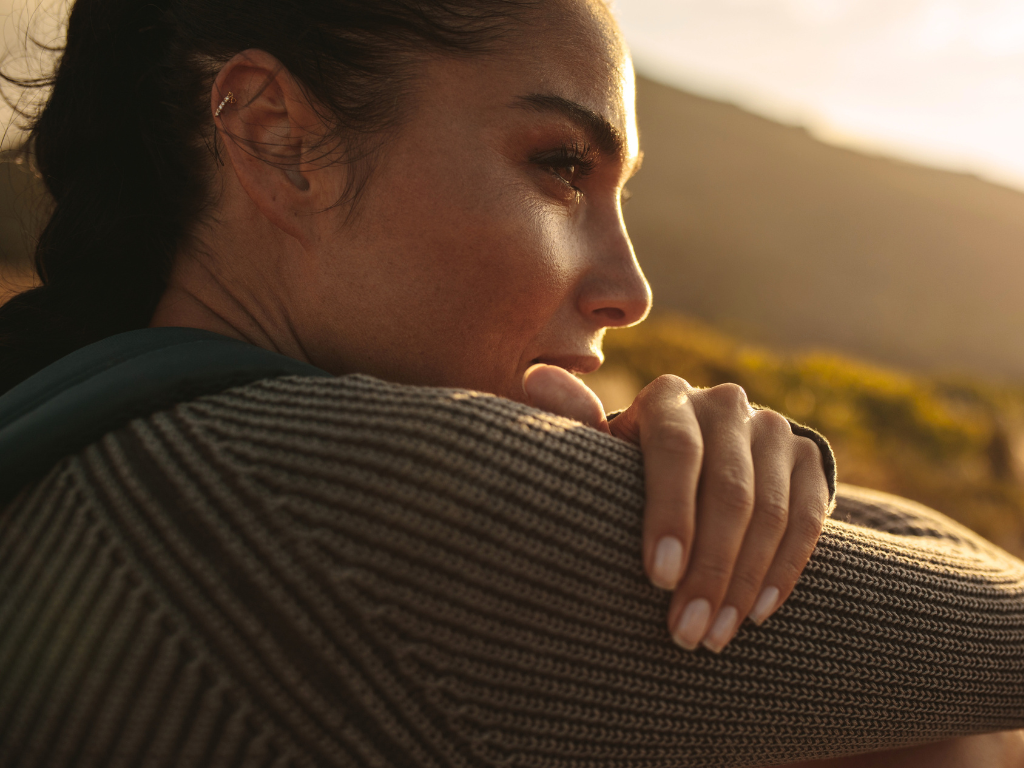
Lake Champlain creates a natural setting that supports spiritual retreats, with its wide water, open skies, and quiet shoreline encouraging slower days and space for reflection.
5. Cycling and Active Wellness Retreats
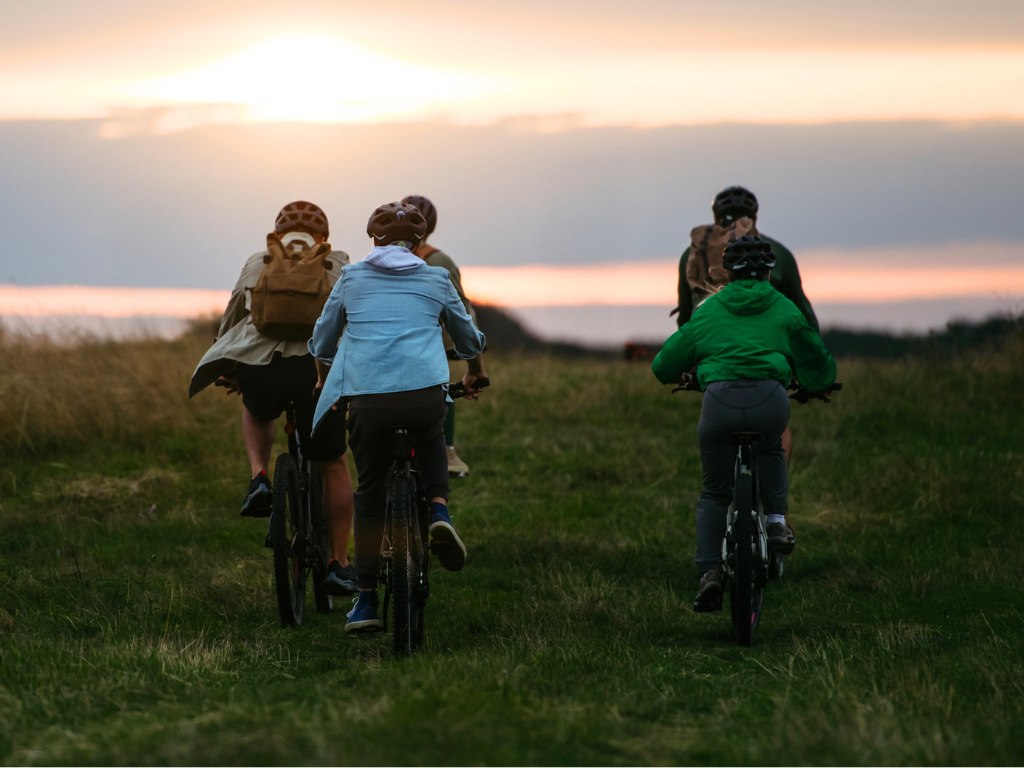
The region’s scenic roads and connection to the Lake Champlain Bikeways system create strong potential for cycling-centered wellness travel.
While the Islands are often framed as slow travel destinations or increasingly used for small-scale retreats and wellness gatherings, they’re also very much a working rural tourism region with practical sightseeing, seasonal attractions, and family-friendly stops.
1. Visit State Parks and Public Beaches
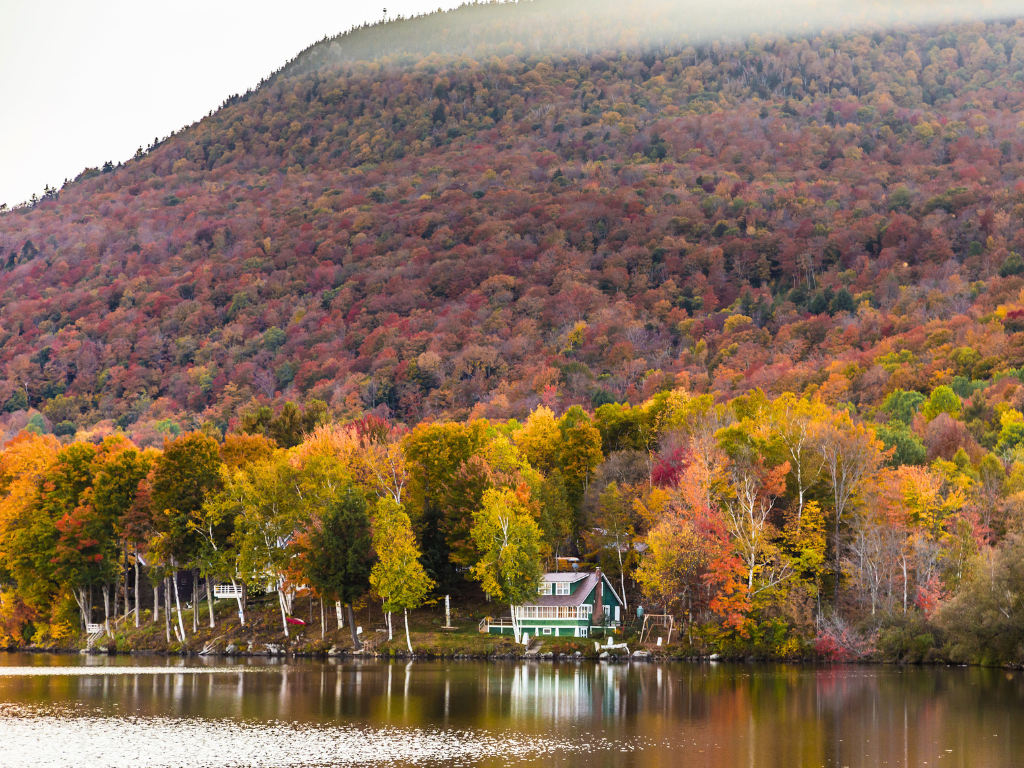
Several Vermont State Parks form the backbone of public recreation here. Grand Isle State Park is the largest, offering swimming, camping, and boating. Knight Point State Park is smaller and quieter, with lakefront picnic areas.
North Hero State Park has wooded trails and birdwatching, while Alburgh Dunes State Park stands out for its sandy shoreline and unique landscape.
2. Explore Historic and Cultural Sites
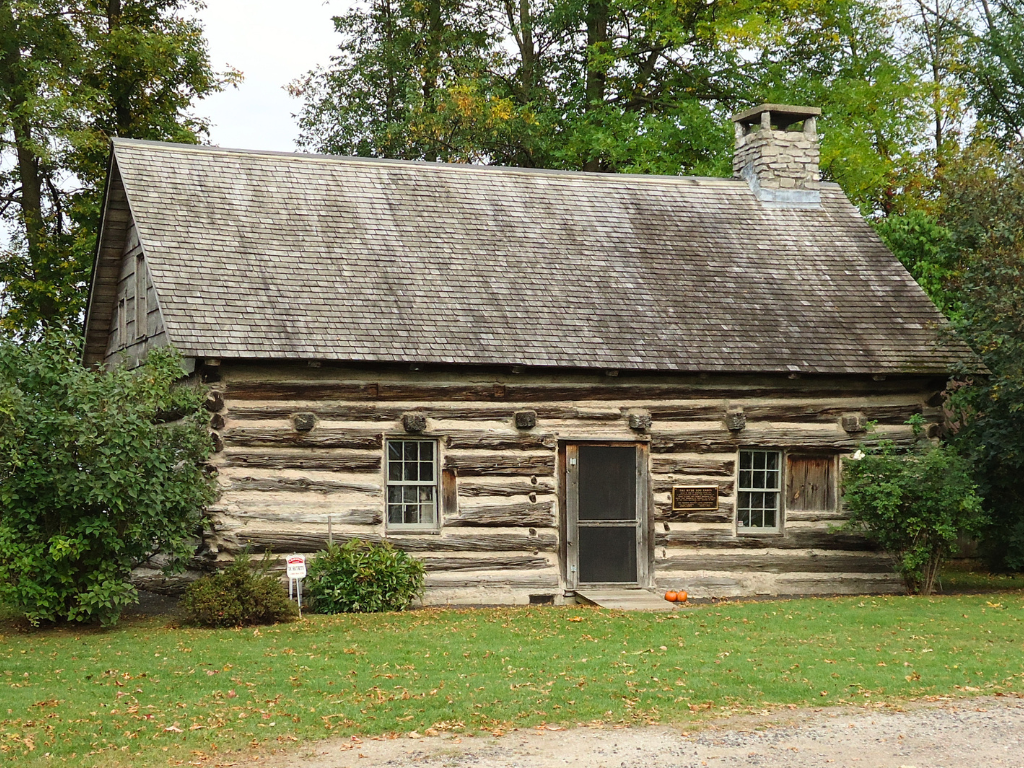
The Islands also carry a quiet historical depth. The Hyde Log Cabin & Schoolhouse offers a glimpse into early settler life in Vermont, and the Grand Isle Lake House reflects the island’s historic lakeside hospitality and heritage.
3. Farm Visits, Orchards, and Local Food Stops

Agritourism is part of everyday life here: seasonal apple picking, berry farms, roadside stands with fresh produce and maple products, vineyard tastings, and cider stops spread across the islands.
4. Ferry Travel Across Lake Champlain
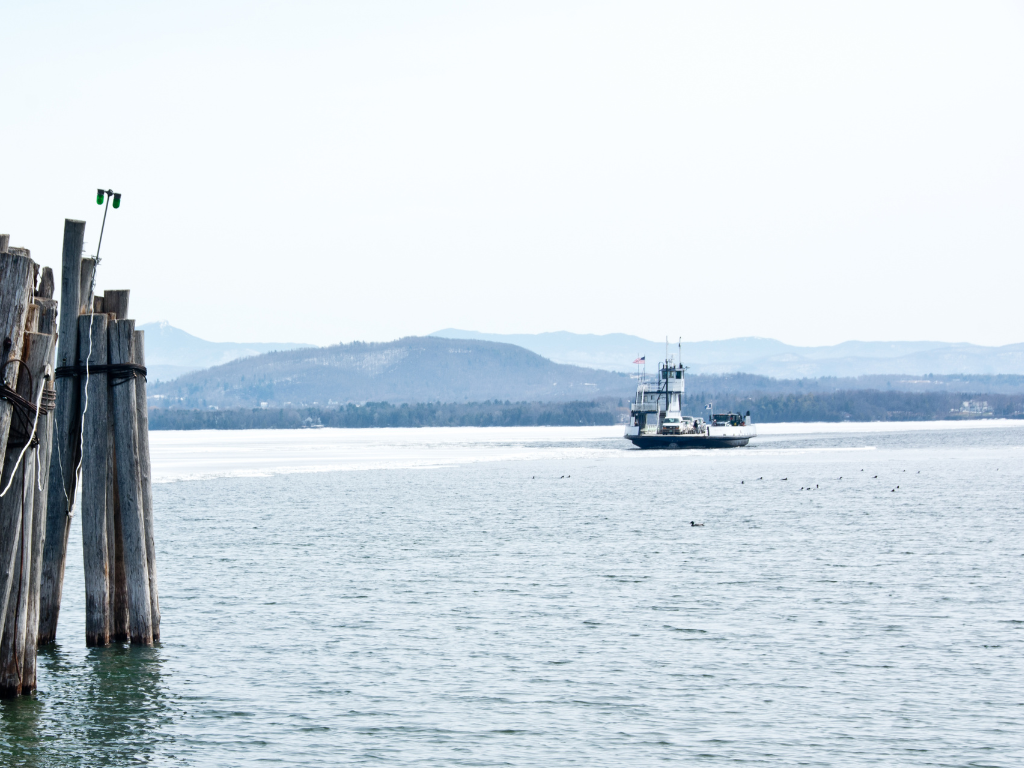
The Lake Champlain Ferries connect Vermont and New York year-round (weather dependent), making it easy to explore both sides of the lake.
5. Birdwatching and Wildlife Viewing
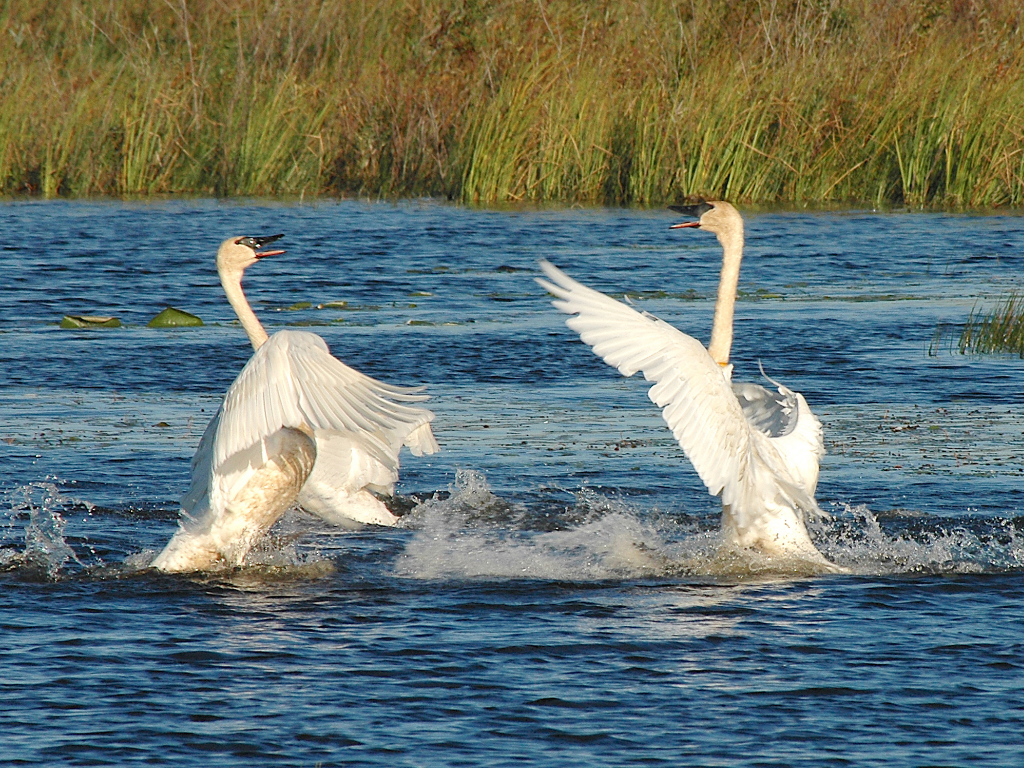
The shoreline and wetlands are active with birdlife, especially during migration seasons, when waterfowl and other species are commonly seen, including the occasional Trumpeter Swan and the more elusive Black Tern in suitable marshy areas.
6. Small-Town Exploring and Local Stops
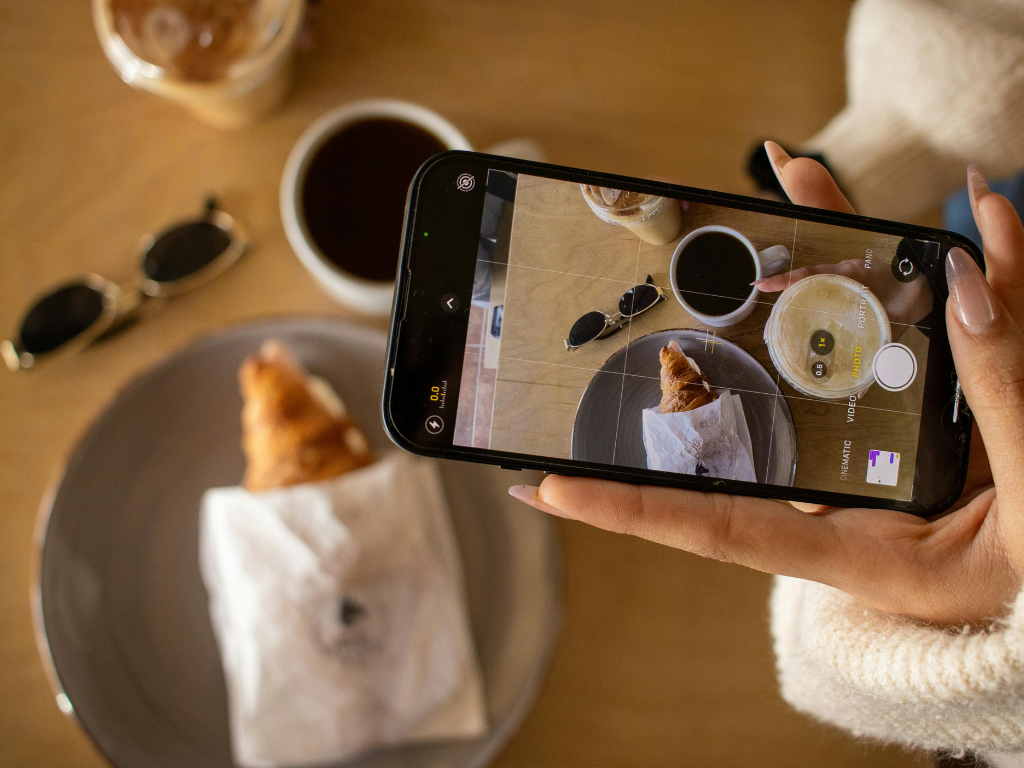
Each island has small village centers with cafés, general stores, marinas, and seasonal diners that reflect the quiet rhythm of local island life.
.png)
The food around the Lake Champlain region is rooted in local farms, freshwater fishing traditions, and New England–style comfort cooking. It’s not a flashy food scene, but it’s known for simple, seasonal dishes that reflect the land and water.
1. Lake fish (especially lake trout and perch)
Freshwater fish from Lake Champlain often show up grilled, pan-fried, or smoked. It’s one of the most traditional foods tied directly to the lake.
2. Smoked fish
Smoked trout or salmon is common in markets and small eateries, often served with bread, cheese, or local spreads.
3. Maple syrup everything
Vermont is deeply associated with maple syrup, and around the lake it appears in pancakes, baked goods, marinades, and even savory dishes.
4. Cheddar and farm cheeses
Artisan cheeses, especially sharp Vermont cheddar, are a staple. Many farms in the region produce small-batch cheeses.
5. Apple cider and cider donuts
Seasonal apple orchards produce fresh cider, often paired with warm cider donuts in fall.
6. Corn chowder and seasonal soups
Creamy chowders made with local corn, potatoes, and herbs are common in late summer and early fall.
7. Farm-to-table vegetable dishes
Menus often highlight whatever is in season: fresh greens, tomatoes, squash, and root vegetables from nearby farms.
8. Maple-glazed or cider-braised meats
Pork and chicken dishes often feature maple or apple cider reductions, reflecting local agricultural flavors.
9. Blueberry and berry desserts
Wild and farm-grown berries show up in pies, crisps, and jams during summer.
10. New England-style comfort classics
Simple dishes like clam chowder (in coastal-influenced menus), baked beans, and hearty breads are also part of the broader regional food identity.
.png)
Planning a trip to the Lake Champlain Islands is fairly straightforward, but a few practical details can help you move through the region more comfortably and make the most of your stay.
1. Do You Need a Car?
Yes. For most visitors, a car is essential when traveling to the Lake Champlain Islands. The islands are rural, spread out, and connected by bridges and causeways, with limited or no public transportation between communities.
Having a car makes it possible to move between towns, state parks, farm stands, and lakeside access points at your own pace.
2. Closest Airport
The most convenient airport is Burlington International Airport, located in Burlington. It is the primary commercial airport for the region and typically the easiest entry point for travelers heading to the islands.
From the airport, the drive to the Lake Champlain Islands is usually under an hour depending on the destination island.
3. Ferry Access
The Lake Champlain Ferries system provides a seasonal and year-round connection (depending on route and weather) between Vermont and New York across Lake Champlain.
One of the main crossings serving the area is the Grand Isle–Plattsburgh route, which links the islands with Plattsburgh and makes it easy to combine Adirondack and Vermont travel in a single trip.
4. Cost Expectations
Costs in the islands vary by season and location:
Because lodging options are limited, especially directly on the water, early booking is important for summer and fall stays.
5. Wi-Fi
Most inns, rentals, and small accommodations offer Wi-Fi, but speed and reliability can vary depending on location and provider.
For longer stays or remote work, it’s best to:
A wellness trip to the Lake Champlain Islands is easiest to enjoy when you plan lightly, stay flexible, and give yourself space to move with the calm pace of the islands.
.png)
The Lake Champlain Islands can hold both kinds of experiences comfortably, depending on what you need at the time.
.png)
The real strength of the Lake Champlain is how little it tries to impress you. It’s just water, trees, and a pace that feels more like a slow exhale than a planned vacation.
Whether you’re here for a Vermont retreat or simply time to reset, you’re invited to let the steady, quiet hum of the landscape settle your nerves. It’s the kind of place that reminds you that slowing down isn’t a luxury; it’s just how we’re supposed to live.

 Log in with Google