
Article by:
Retreat Finder

View this post on Instagram
The Puna District on Hawaii’s Big Island has a feeling you notice the moment you arrive, like the land itself is awake. Black lava flows give way to ferns, palms, and wild orchids. Hidden waterfalls tuck themselves into the green.
Tide pools sit in the heat, and the air carries something layered: wild ginger, plumeria, and somewhere beneath it all, the faint edge of volcanic smoke. Every step pulses with life, as if Pelehonuamea, the volcano goddess, moves unseen.
The roads here have their own character, too. Along winding roads, the Tree Tunnel, a spectacular avenue of sprawling banyan trees whose twisting roots form arched canopies, stretches overhead, casting dappled light on the road and creating a serene, almost otherworldly passage through Puna’s lush scenery.
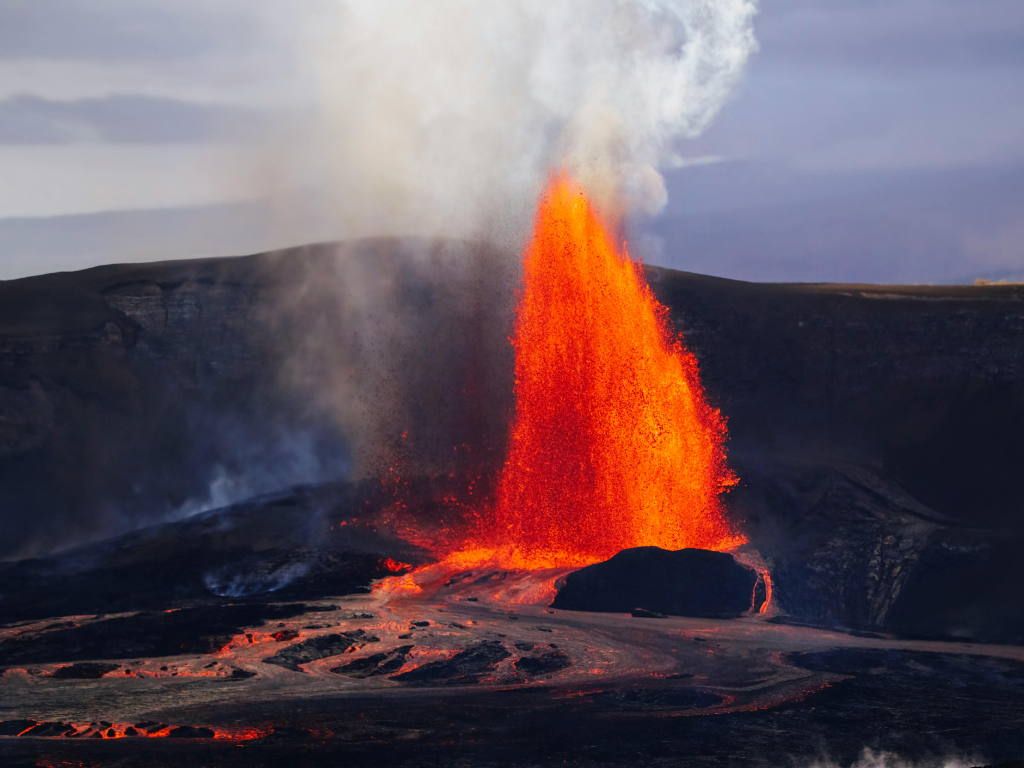
Puna occupies the windward side of the Big Island, a landscape shaped by Kīlauea’s East Rift Zone, one of the most active volcanic systems on Earth. Lava flows have rewritten the coastline repeatedly; new land is literally created as molten rock meets the Pacific, then slumps and cools into black volcanic sand.
In the 35‑year eruption of Puʻu ʻŌʻō (1983–2018), one of the longest continuous volcanic episodes in Hawaii’s recorded history, rivers of lava obliterated communities like Kalapana and covered miles of coastline before spilling into the sea.
Geologically, this is no quiet corner of paradise. Puna sits mostly within Lava Hazard Zones 1–3, areas classified as high to moderate-high risk on Hawaiʻi’s lava hazard maps.
Over decades, nearly 64 square miles of land have been overridden by lava flows, and nearly a thousand structures have disappeared into pāhoehoe, a smooth, ropey lava, and ʻaʻā, a rough, jagged, clinkery lava.
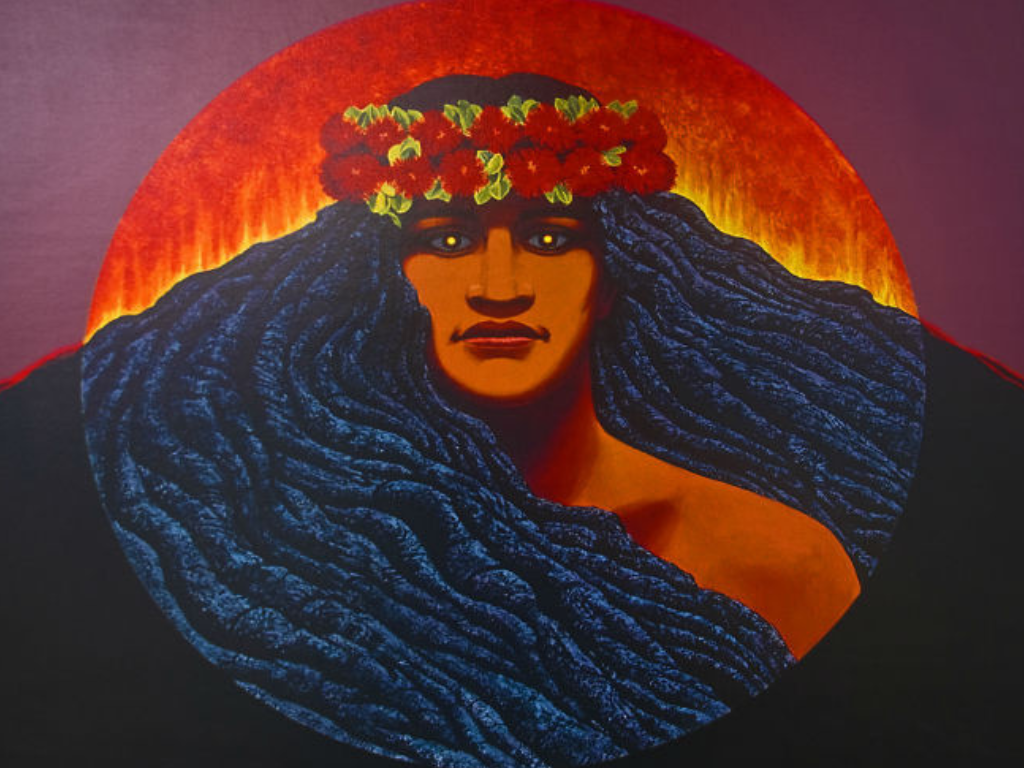
To Hawaiians, volcanoes are more than land. They are living, breathing ties to Pelehonuamea, the Earth-born fire spirit we know as Pele. She is part of the island itself. Her moods shape eruptions, her footsteps leave molten trails across Puna’s forests and coastlines.
Hawaiian sayings tell the story: forests “eaten” by fire, “Pōʻele ka ʻāina o Puna”, the land blackened by lava. These words capture centuries of watching the land change.
Polynesian navigators likely reached Hawaii between the 3rd and 6th centuries A.D., though some research suggests it may have been closer to the 9th–13th centuries C.E., bringing crops like taro and sweet potato, and a belief system where Pele and other akua, or the gods and spiritual beings of Hawaiian tradition, walked alongside people in daily life.
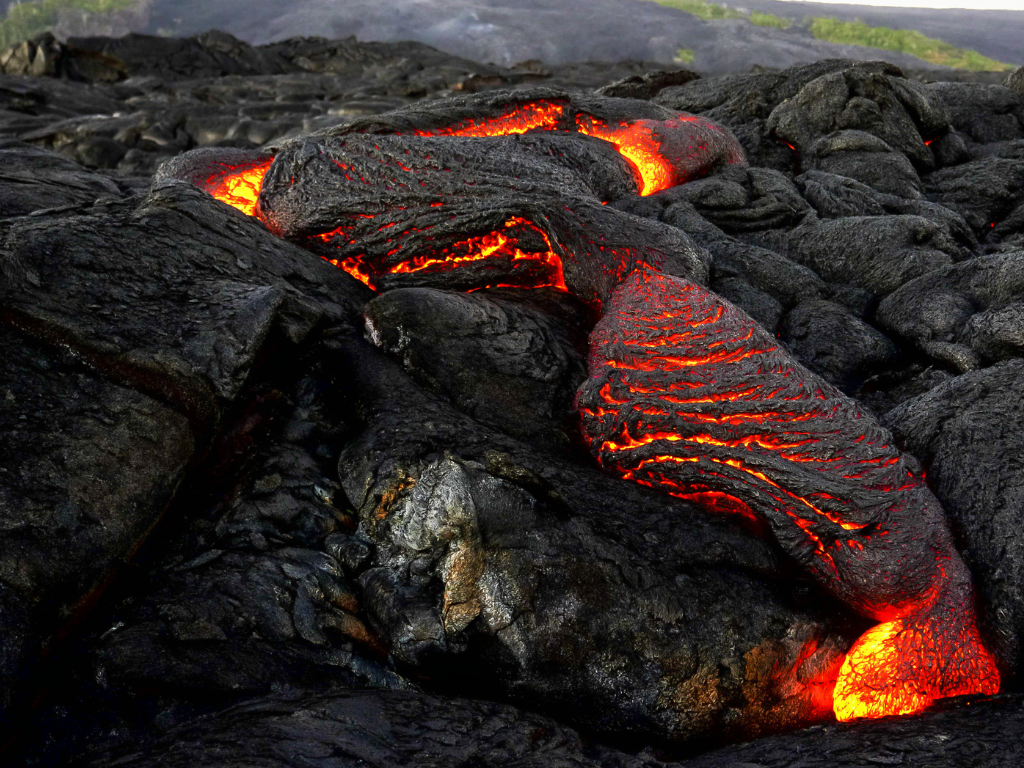
In Puna, communities have learned to live with the land’s volatility: homes rise on hardened lava, farmers cultivate taro, papaya, and macadamia nuts in nutrient-rich soils, and solar and rainwater systems harness the island’s natural energy.
Resilience is woven into daily life. Neighborhoods rebuilt after the 2018 lower Puna eruption testify to a spirit that refuses to be displaced.
Elders also share the legends of Pelehonuamea, guiding younger generations to coexist with the volcano, while builders innovate with lava-resistant foundations.
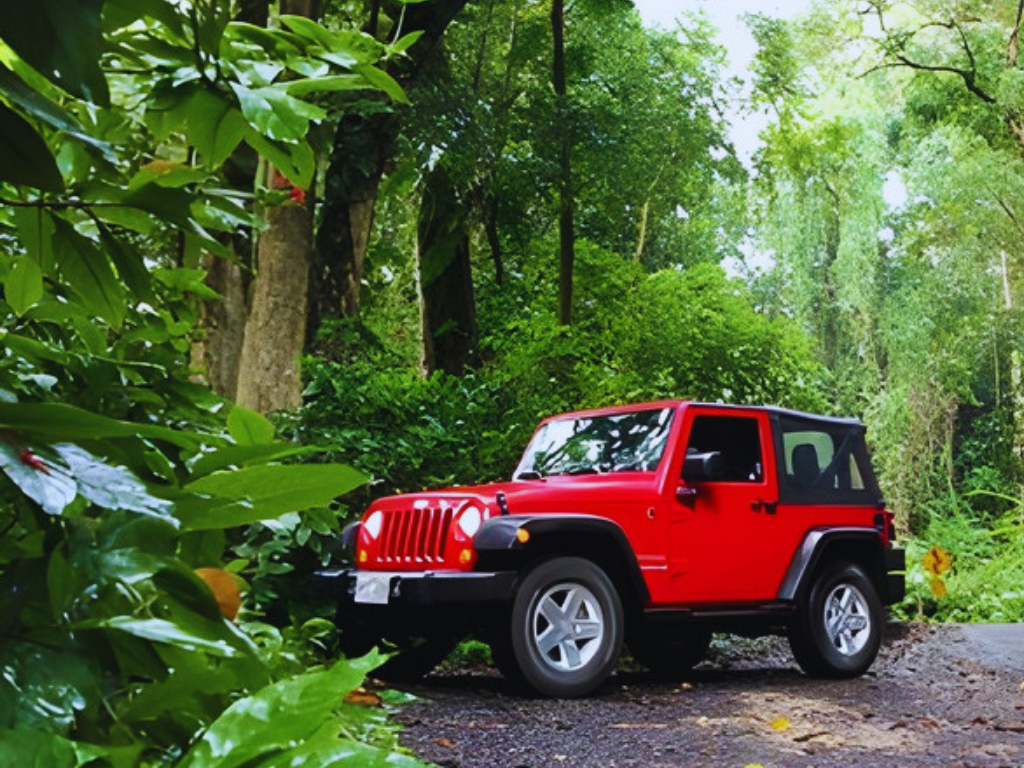
Puna is a place that earns your respect through its raw, unfiltered energy. You can still feel the weight of the 2018 eruption in the landscape, where massive fields of black lava look like rivers frozen in time, and bright green ferns are already stubbornly pushing their way through the cracks.
The air itself tells a story. It’s a thick, heady mix of salt spray, tropical rain, and that faint, unmistakable scent of sulfur. You see the steam rising off the road after a downpour and watch the jungle aggressively reclaiming every inch of space it can find.
.png)
Life in Puna eventually forces you to find your own rhythm, trading rigid schedules for the natural flow of the sun and the weather. Days begin with birdsong and soften under heavy tropical rain, eventually opening up into some of the darkest, most star-filled skies you’ve ever seen.
There is a deep, emotional release that happens here, mirroring the land’s own cycle of destruction and rebirth. Wellness isn't a curated spa treatment; it’s found in grounding, gritty moments like walking barefoot on Kehena Beach or sitting quietly as the jungle breathes around you.
Puna doesn’t hand you peace on a silver platter, but it gives you the space to process, reset, and rebuild yourself on your own terms.
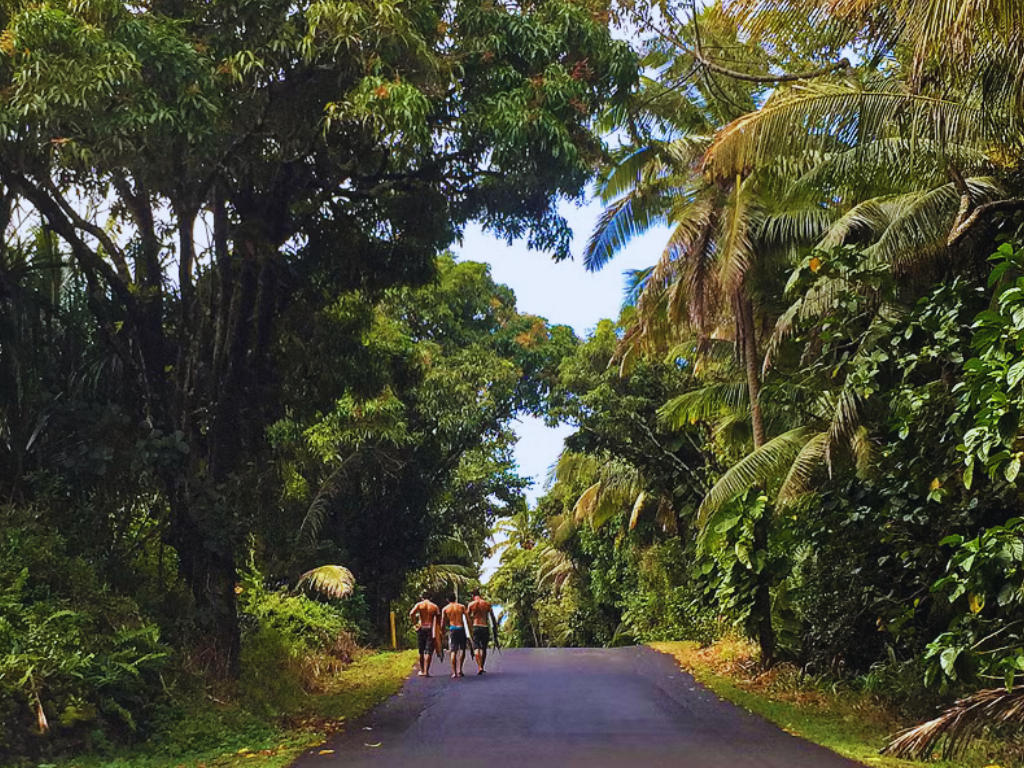
There’s a restless, beautiful energy in Puna that pulls you inward the moment you arrive. Passing under the arching banyans of the Tree Tunnel feels like entering a natural cathedral, where the air grows heavy with the scent of rain, and the light softens into something otherworldly.
On this eastern edge of Hawaii Island, life is dictated by the volcanic rhythm of Kīlauea and a rugged, bohemian spirit that values soul over status. It’s a place of deep humidity and even deeper stillness, where the rustic, untamed landscape provides a chance to reconnect with the earth and your own sense of self.
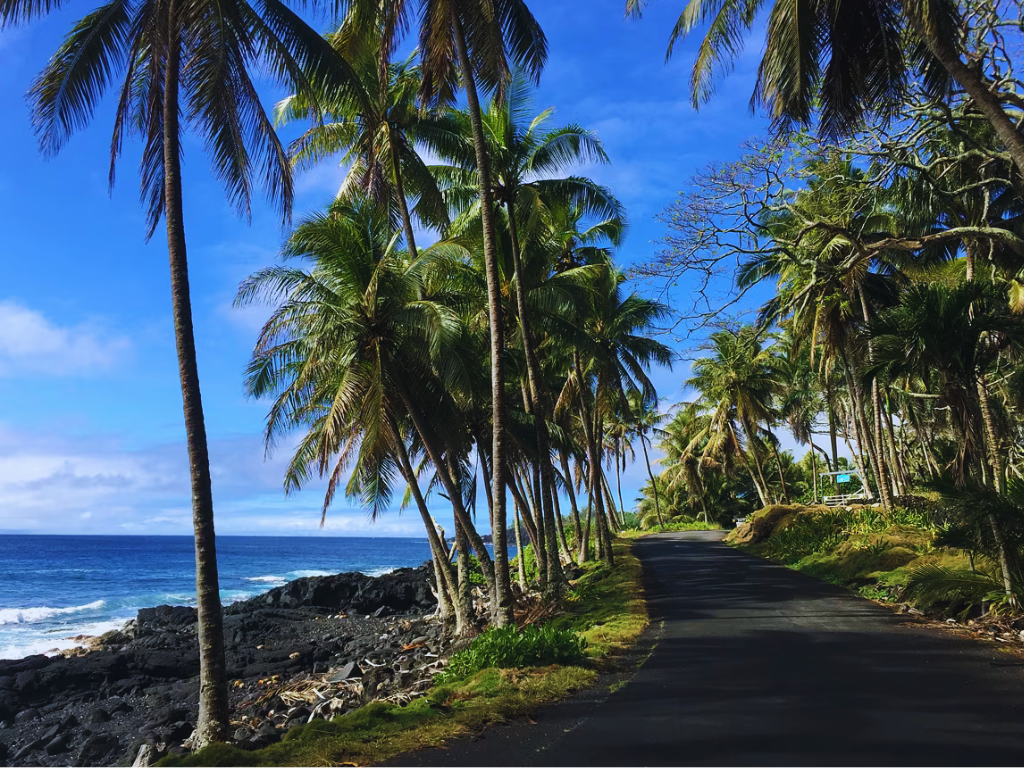
Puna is for anyone drawn to this salt-sprayed, volcanic edge of the world. Covered in a jungle so green it almost glows, this place is full of strong sights, smells, and sounds. The air is heavy with guava and sulfur, and the "Tree Tunnel" of arching banyans serves as a vaulted corridor of greens.
Nature has made this a refuge for solo travelers at a turning point, artists looking for inspiration, or anyone tired of city noise who wants to reconnect with the earth.
There are no bright city lights or polished resorts here. Instead, you’ll find a simple, natural luxury in the steam rising from the rainforest after rain or in the first ferns growing on black lava.
If you are going through a big change or facing strong emotions, Puna’s story of destruction and renewal can help you heal. This place asks you to change, to slow down, and to connect with the deep, steady life of the island.
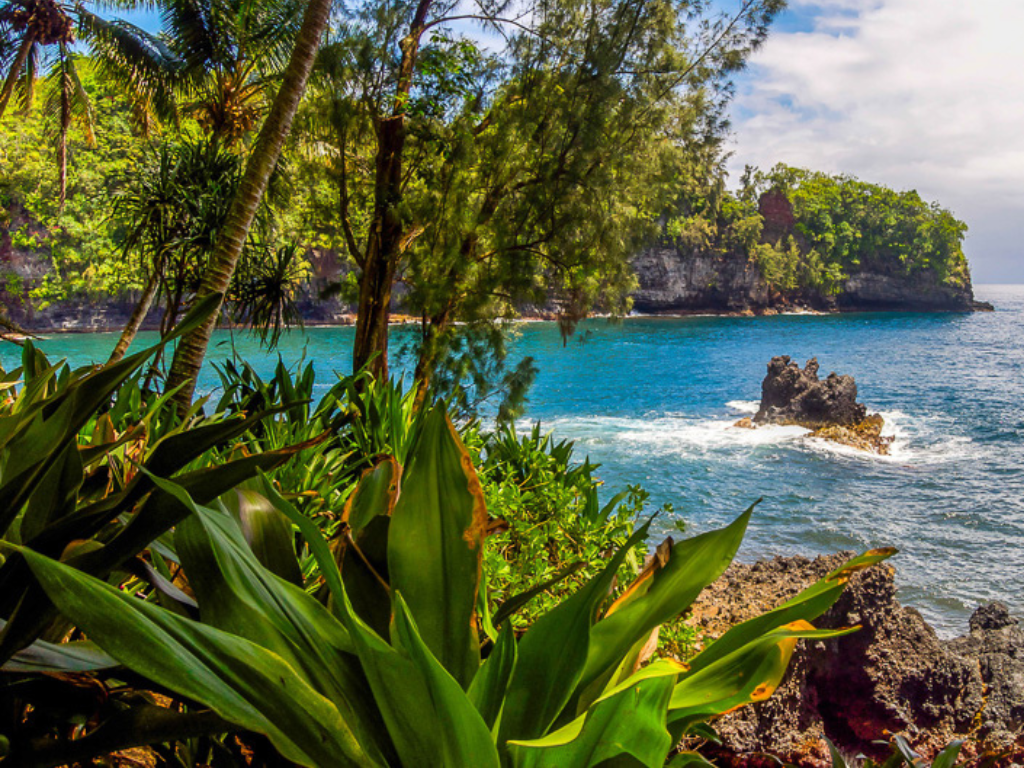
Puna rests on the windward, rainier side of Hawaii Island, so the air is often thick with moisture, keeping everything lush, green, and alive.
If you’re chasing warmth and a touch of sun, the months from April to October are slightly drier and perfect for wandering the outdoors. From November to March, the rains arrive more consistently, draping the landscape in dramatic, quiet beauty that’s ideal for reflection and introspection.
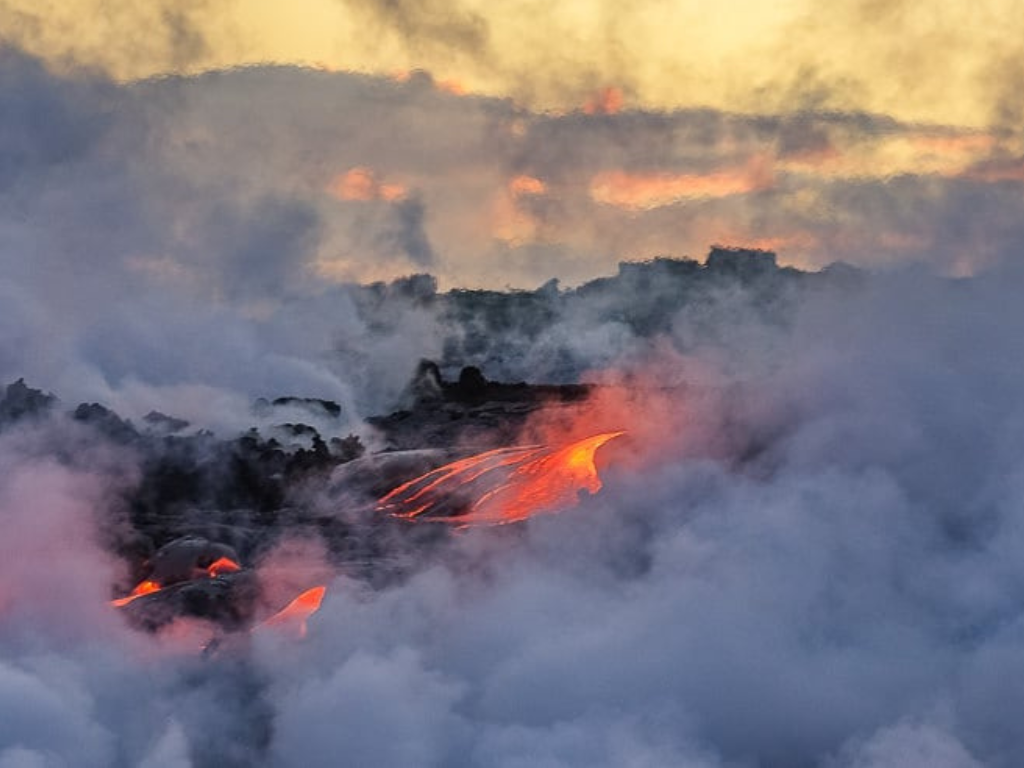
Puna’s magic lies in its honesty: it shows you life at full force, sometimes fiery, sometimes fluid, but always unapologetically alive.
Lava that once wiped the slate clean now nourishes fresh shoots of green, while geothermal pools bubble like hidden heartbeats just beneath the surface. Puna heals through a deep, soulful immersion in its own intensity.
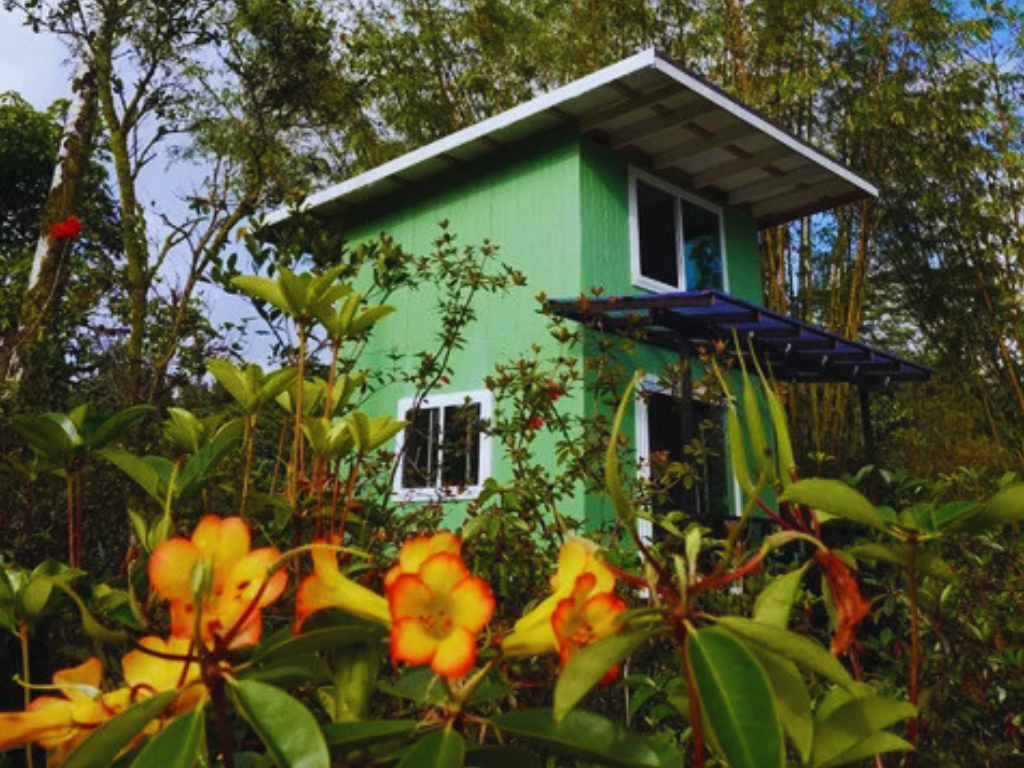
If you’re looking for a typical resort-style retreat, Puna will probably surprise you, and maybe even challenge you. Luxury is found in the quiet moments, in noticing the land, the light, and the air around you.
The centers here are thoughtfully designed to keep you close to the elements: you’ll feel the humidity of the jungle and hear the constant, rhythmic crash of the Pacific against the volcanic cliffs.
It’s become a hub for deep inner work...everything from nervous system healing to immersive nature retreats, the landscape is an active participant.
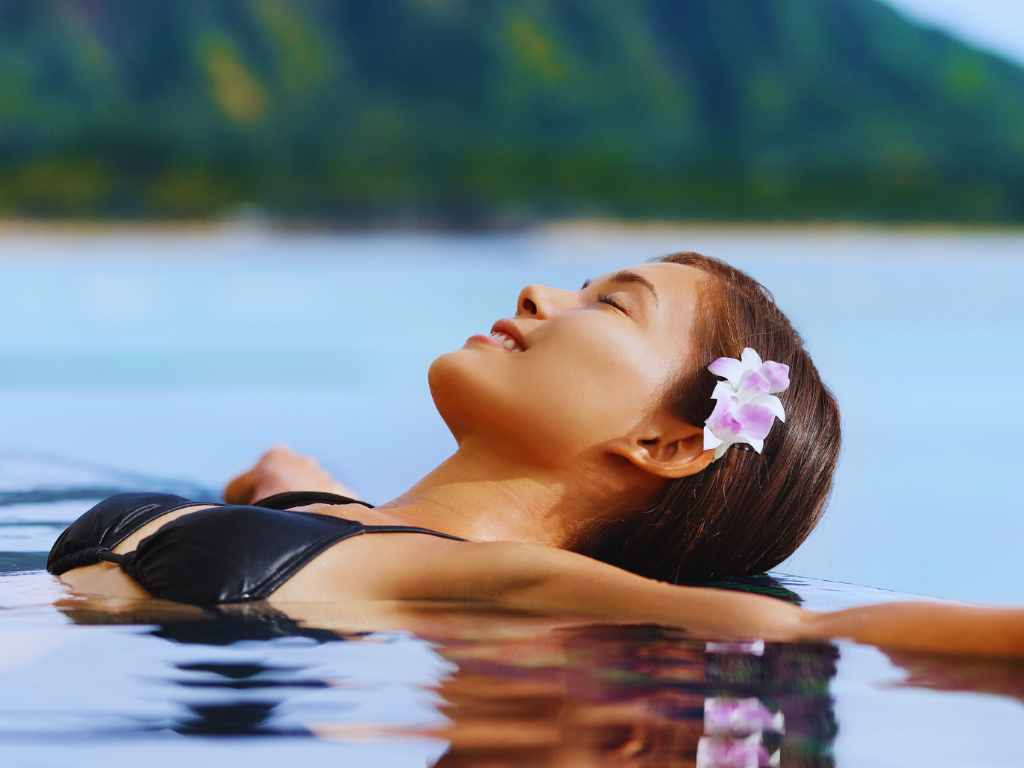
Puna is the kind of place where you find a perch. On Hawaii's Big Island, this wild, unhurried district quietly resists the usual posh, commercial resorts. What you'll find instead are treehouses, plantation cottages, lava-edged bungalows, and hosts who actually live here and love it.
Pahoa pulls in travelers with its funky small-town energy and easy access to black sand beaches. The Red Road traces the coastline at its own pace, the kind of drive where the views catch you off guard and you find yourself pulling over more than once just to take it in.
Further up, Volcano Village sits quietly in the mist and tree ferns. A place that feels genuinely remote, and where the presence of an active volcano somewhere beneath it all gives everything a subtle, electric edge.
.png)
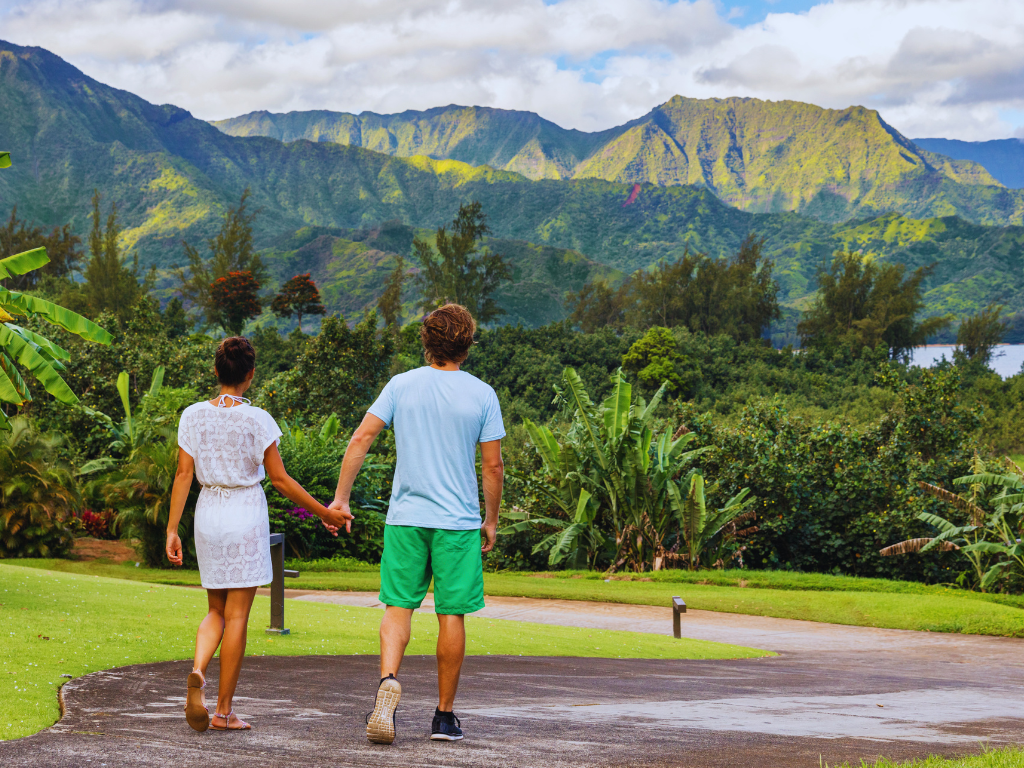
Puna doesn't demand much from you. Just that you show up and slow down. Here's one way five days here might look:
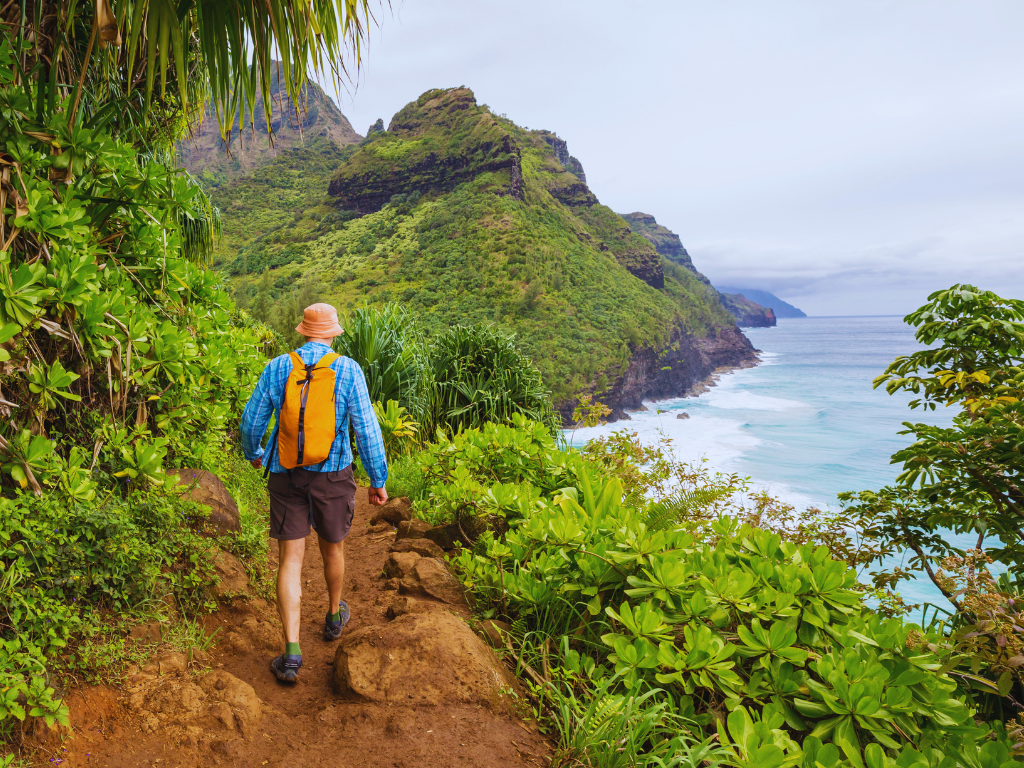
Before heading into Puna, it helps to know a few key details to make your trip smoother and more enjoyable.
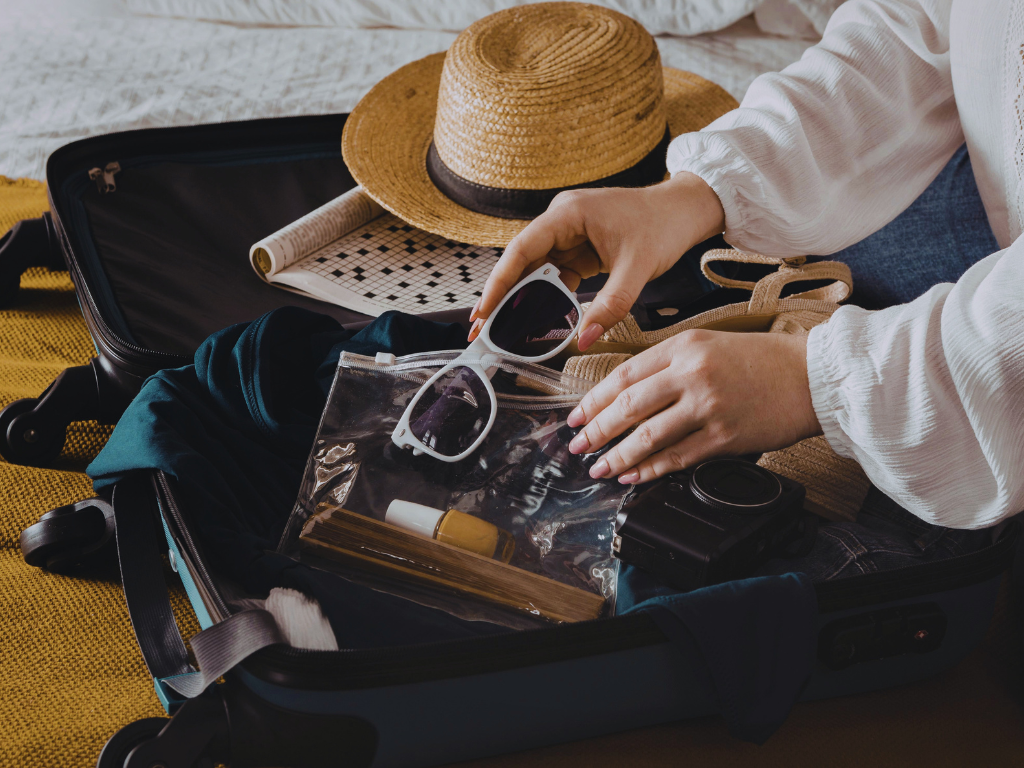
Wild, humid, and alive with surprises, Puna asks you to pack lightly, move freely, and leave space for the little magic you’ll discover around every corner.
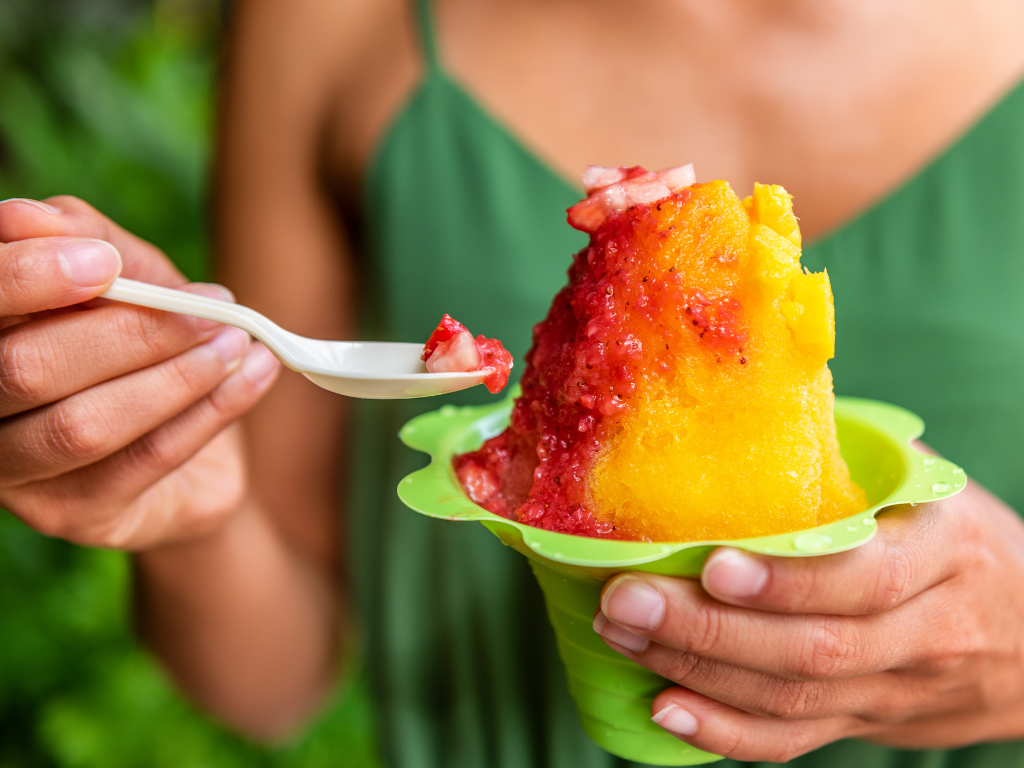
Puna’s food scene is unpretentious and local, much like the laid-back lifestyle of the region itself. You won’t find the polished, resort-style dining of Kona or Hilo here, but what Puna does offer is honest, heartfelt, and full of flavor, perfect for refueling between hikes, beach strolls, and lava explorations.
Fresh island ingredients shine in every bite, and meals here often feel like they were made with care. Local restaurants, roadside cafés, and farmers markets give you a true taste of the island.
.png)
.png)
Puna’s farmers markets are a feast for the senses and a top way to sample the region’s freshest produce and prepared foods. The Maku‘u Farmers Market, just a short drive away, draws visitors from across the island.
With over 150 vendors, you’ll find homegrown fruit, local honey, goat cheeses, artisan baked goods, and more, all set to live music and a lively Sunday atmosphere.
Savor seasonal tropical fruits, freshly pressed juices, handcrafted jams, organic coffee, and treats that showcase Puna’s agricultural richness.
While Puna doesn’t have a singular signature dish, its food scene highlights classic Hawaiian staples and local flavors found across the Big Island:
Beyond sit-down restaurants, small cafés, roadside shacks, and market vendors round out Puna’s dining options, ideal for a quick bite between adventures or a relaxed lunch after a morning of exploring.
1. Soak in ʻAhalanui Warm Ponds
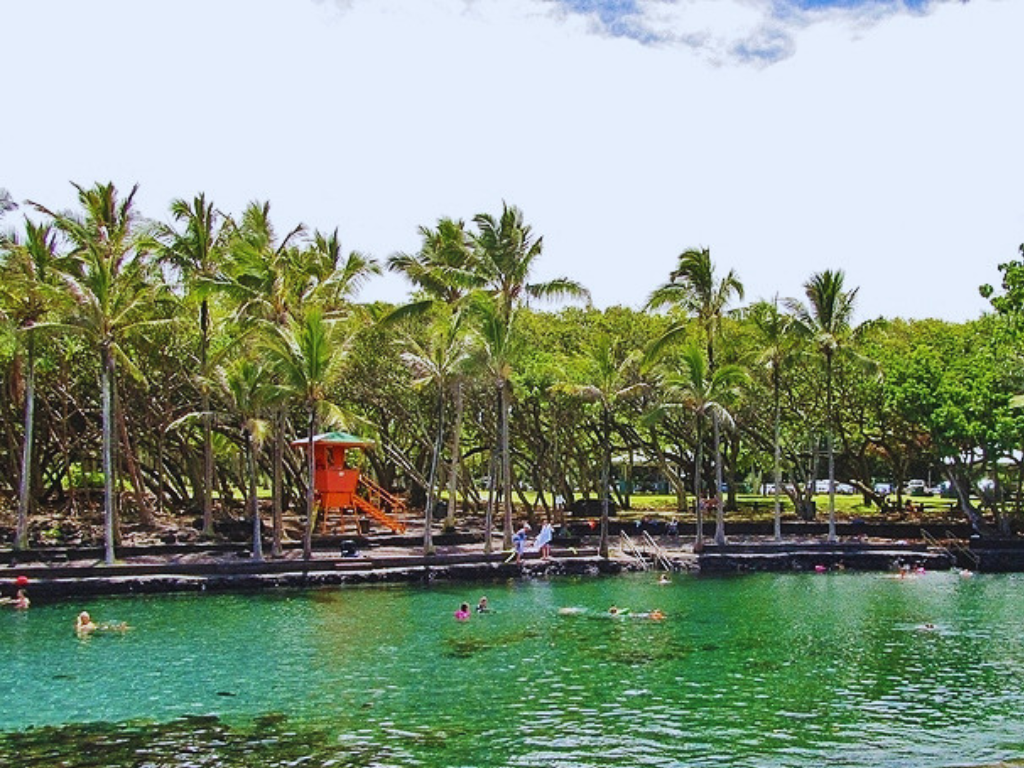
At ʻAhalanui, the water feels alive, fed by geothermal springs that pulse straight from Puna’s volcanic heart. As you float, you’ll see steam dancing off the surface, catching the scent of crushed ferns and salt spray from the nearby ocean.
For the locals, these ponds are more than a scenic spot; they’re a sanctuary for shedding the weight of the day. There’s a quiet, heavy magic in the water, as if Pelehonuamea is sharing a bit of her own restless energy to help you recharge.
2. Walk the Red and Black Sand Beaches
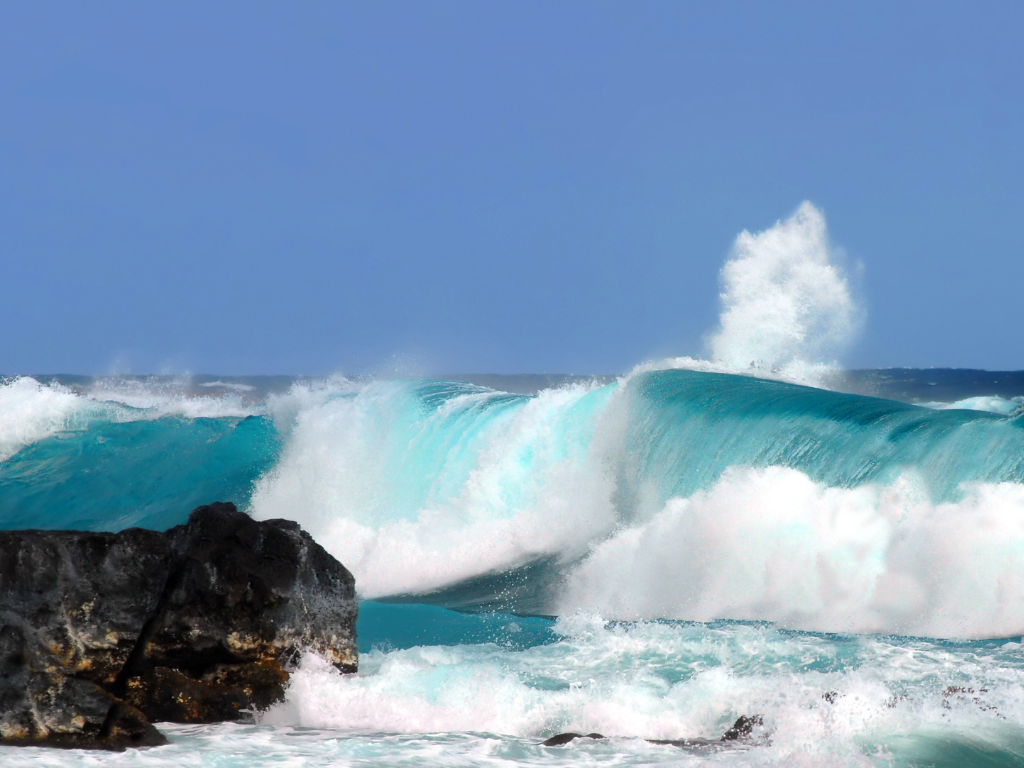
Puna’s coastline is a living story of loss and renewal. At Kaimū, you walk on the memory of a village swallowed by the 1990 lava flows, now a striking shoreline of red and black grit.
Just down at Pohoiki, velvety black sand forms where molten rock met the Pacific. With every wave crashing against craggy cliffs, you’re witnessing a volcanic miracle where the earth is still finding its final shape.
3. Explore Lava Tree State Monument
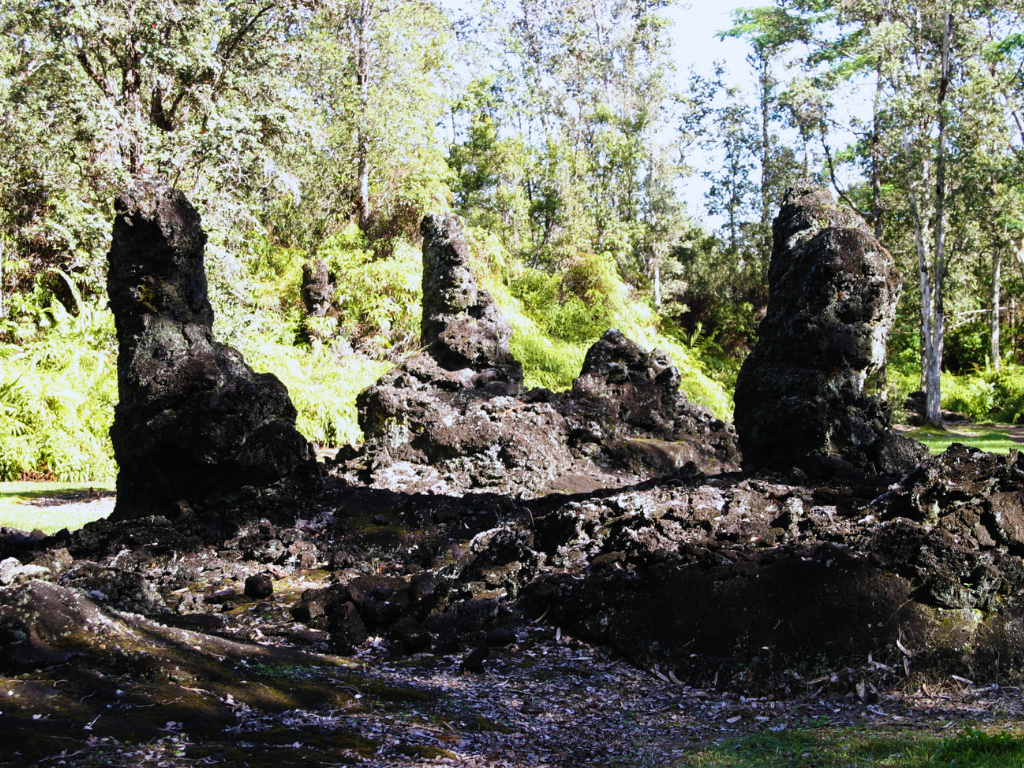
At Lava Tree State Monument, you can wander through a forest that feels like it’s been frozen in time. Centuries ago, a fast-moving lava flow swept through these woods, encasing the living trees in stone before they could even fall; today, those hollow molds rise from the earth like haunting, beautiful sculptures.
It’s a quiet, misty place where the rough, blackened lava is now softened by blankets of moss and delicate ferns. Along the trail, stories of the eruption remind you of the thin line between nature's power to destroy and its incredible ability to preserve.
4. Visit Local Markets & Art Galleries
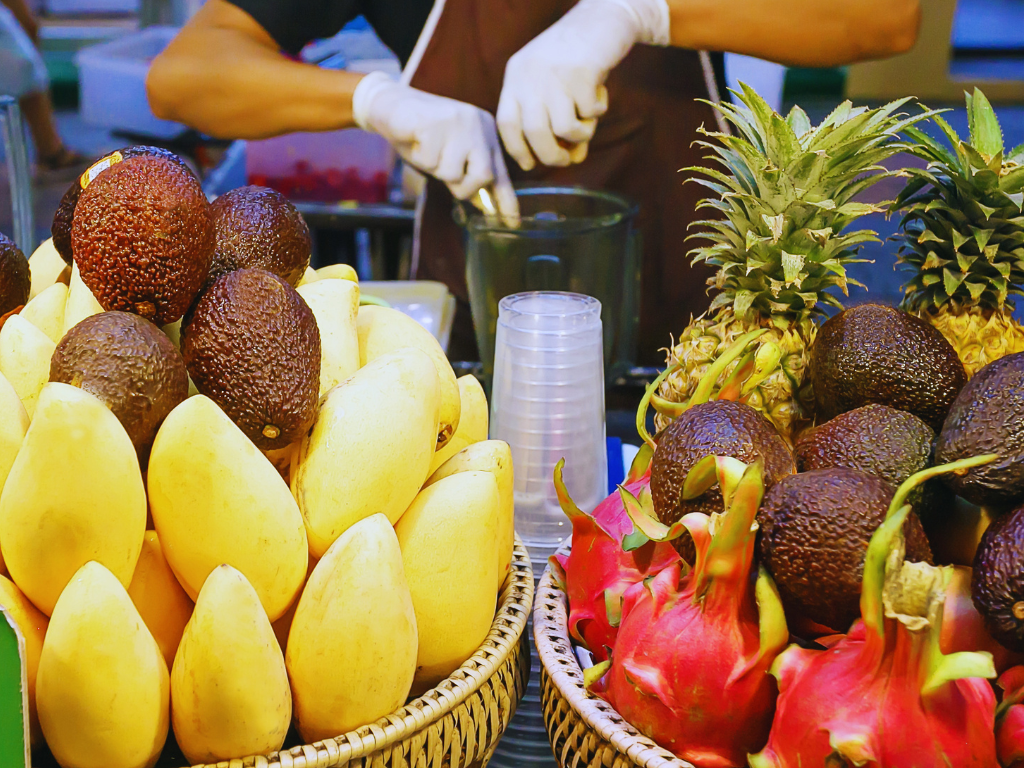
Pāhoa is the kind of place where the weekend farmers market feels more like a neighborhood celebration, with tables overflowing with fresh tropical fruits and locally grown produce.
As you wander, you’ll find small galleries tucked away, filled with hand-carved woodwork and jewelry that look like they were born straight from the volcanic soil.
5. Hiking & Waterfalls
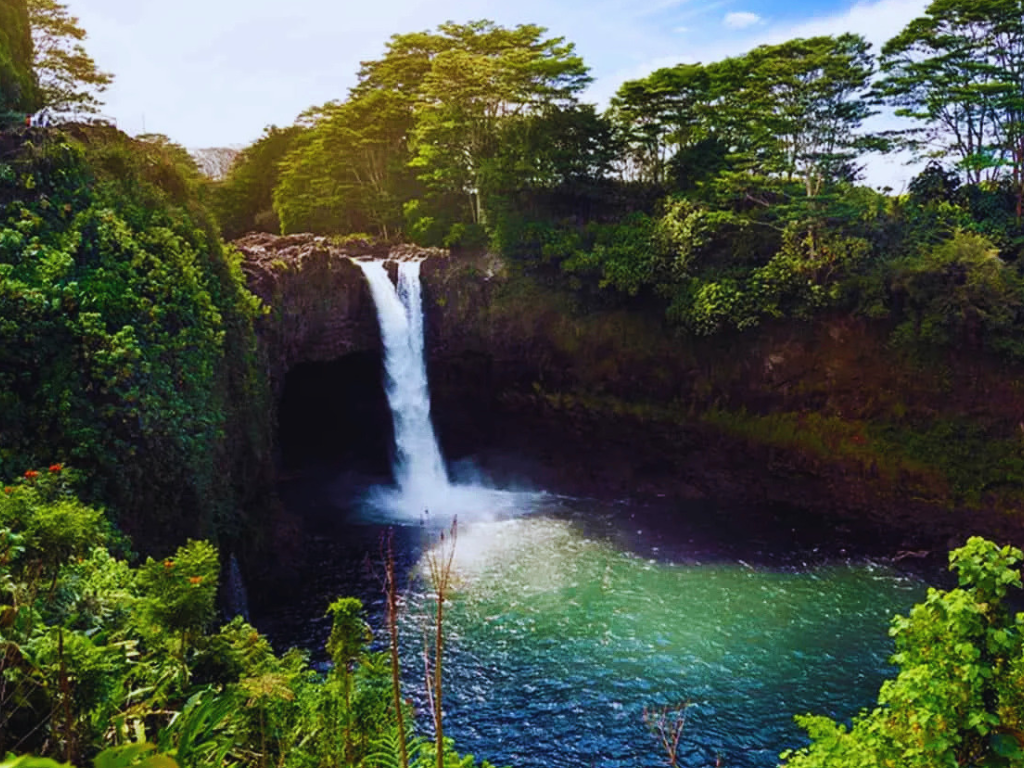
For the adventurous, Puna offers trails across lava flows, tropical forests, and waterfalls. Kalapana’s paths weave over recent rock fields, contrasting rugged stone with green pockets of life. Waterfalls like Umauma reveal shaded plunge pools, where the air smells of wet earth and foliage.
6. Discover Kapoho Tide Pools
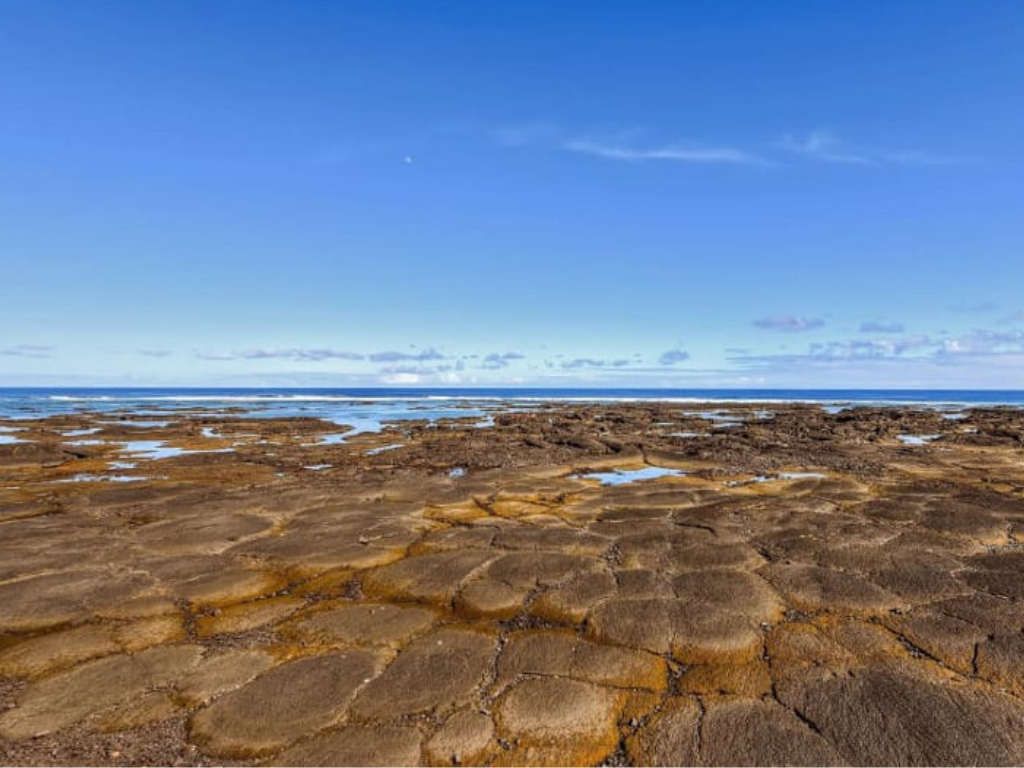
Before the 2018 eruption changed everything, Kapoho was a legendary haven of warm, sheltered tide pools. Today, the remaining pools still feel like a gift, inviting you to wade in where the waves lap over volcanic rock to create tiny, natural aquariums.
7. Swim at Isaac Hale Beach Park
Isaac Hale Beach Park, also called Pohoiki Beach, is a place where adventure and history live side-by-side. Since the 2018 flows from Kīlauea reshaped the coast, the park has become a landscape of new pools and channels that practically beg you to jump in for a swim or catch a beginner-friendly wave.
But there’s a deeper weight to the beauty here; the park stands right at the edge of where homes and neighborhoods once were, serving as a quiet, powerful tribute to the community’s strength.
8. Experience a Psychedelic Healing Retreat
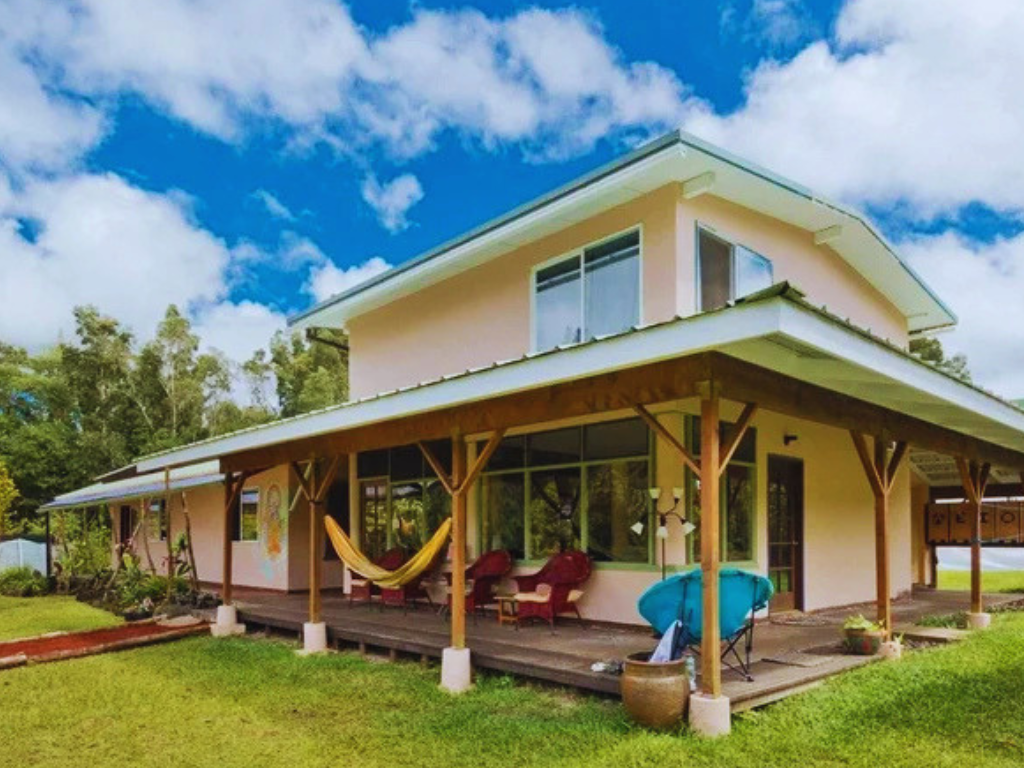
For those looking to connect with Puna’s energy on a more internal level, SOL Temple provides a space for guided psychedelic healing with psilocybin retreats.
These retreats are set in a quiet, natural environment designed to help you slow down, explore your own consciousness, and move through personal transformations.
Facilitators guide you through the process with a deep emphasis on safety and clear intention. It’s a practice rooted in respect, both for the medicine and for the powerful, healing spirit of the land itself.
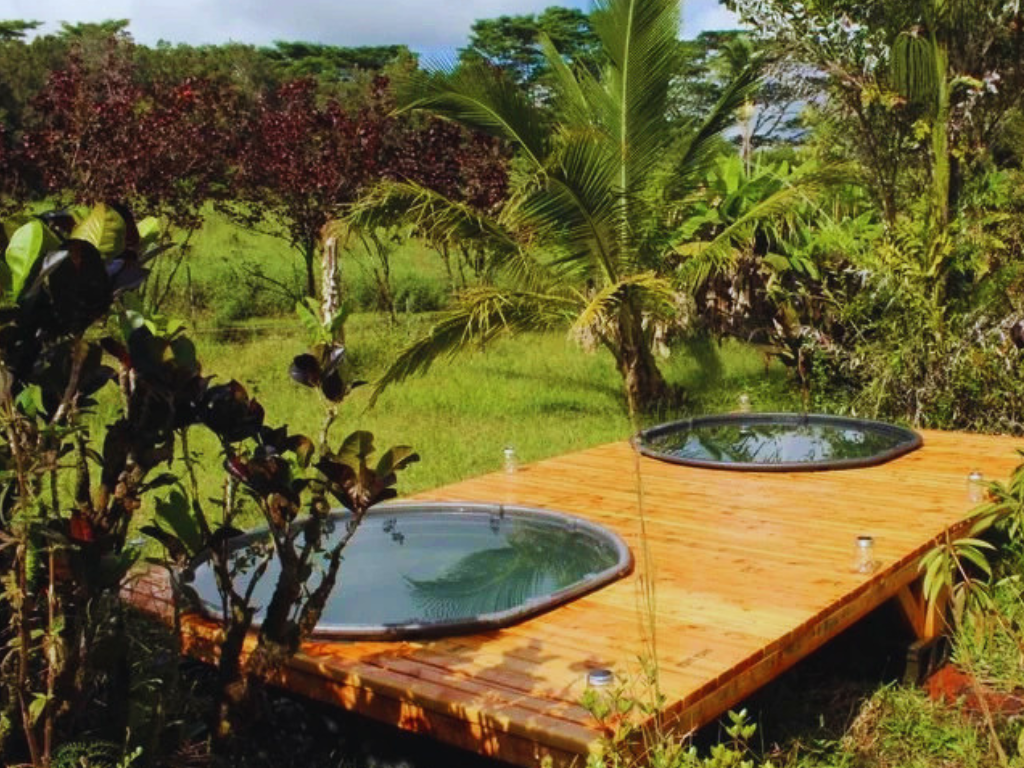
Puna is a living workshop, where fire, rain, and forest converge. Every lava flow, every whispering waterfall, every grove of ʻōhiʻa lehua shapes the lesson...and here, visitors don’t just see the land, they immerse themselves in its story.
Step off the map, leave the ordinary behind, and let Puna teach you what it means to live in harmony with the earth’s raw power, whether you’re exploring on your own or settling into a private retreat in Hawaii for a deeper, immersive experience.


 Log in with Google