
Article by:
Retreat Finder

In the evolving world of retreats, success depends on more than stunning views and good food.
Behind every meaningful gathering is a well-run venue. And behind that is a dedicated team ensuring the lights stay on, the beds remain full, and the experience feels seamless. At the intersection of venue operations and transformational experiences lies a unique opportunity for growth for both property managers and retreat leaders.
Great retreats don’t just happen. They require a physical container that supports emotional, spiritual, and physical renewal. While the spotlight often shines on the retreat leader or the curriculum, the unseen scaffolding of strong property management makes the magic possible.
When a retreat venue is well cared for, when the team knows how to support dietary needs, set up comfortable group spaces, and keep everything flowing smoothly, it becomes a sanctuary. That stewardship, whether by a dedicated staff or a professional management partner, helps transform beautiful land into a place where healing can unfold.
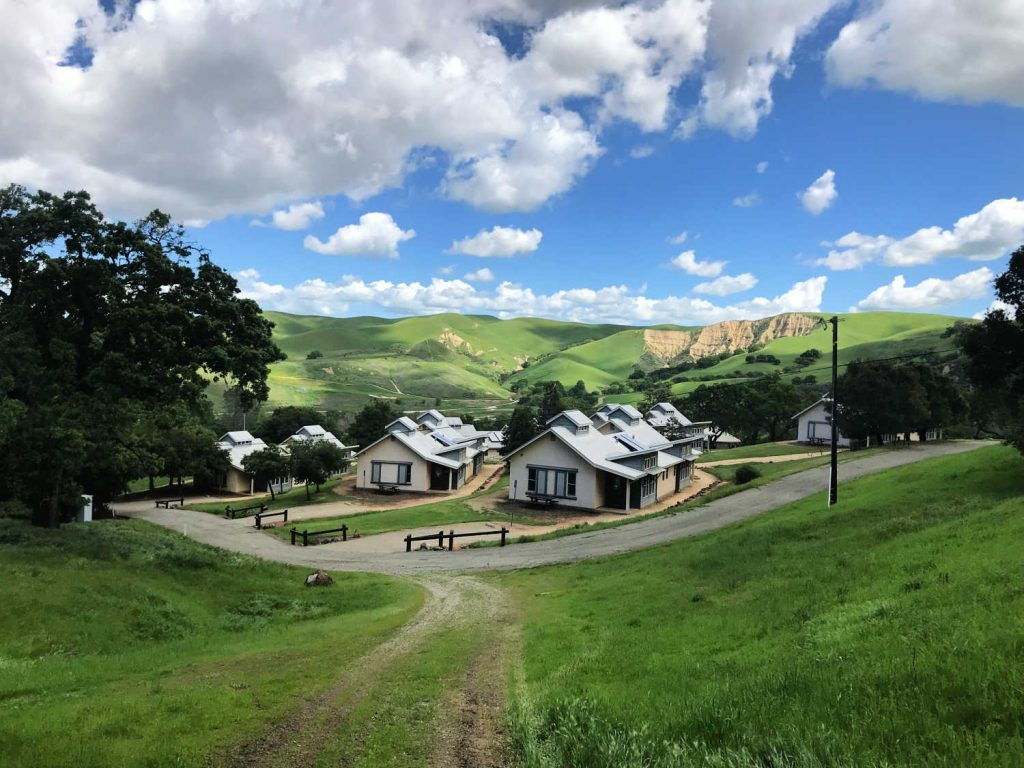
One organization modeling this kind of professional care is United Camps, Conferences & Retreats. As a nonprofit organization that manages a diverse portfolio of retreat and event venues across the U.S., they’ve set a high standard for operational excellence with heart.
From budgeting and marketing to HR and food service, UCCR ensures mission-driven properties can thrive while prioritizing inclusivity, accessibility, and a soulful experience. They serve as a valuable example of what it looks like when operational excellence and spiritual purpose align.
Every retreat has its rhythm. The needs vary widely, from yoga intensives to writing workshops, contemplative silence to community-building circles. However, the most effective retreat leaders have a few things in common: they come prepared, understand their program's arc, and know the details matter.
They’ve thought about whether their guests need private rooms or shared space. They’ve mapped out how many mats can fit in the main hall. They’ve asked about sound systems, coffee and tea availability, and how dietary needs will be handled.
A good venue doesn’t just provide a roof and meals, it collaborates, listens, and helps translate a retreat vision into a real-world experience. Whether it’s a full buyout for total privacy or a smaller room block for a growing leader, flexibility and clear communication go a long way.
.jpg)
One of the biggest hurdles for new retreat leaders is underestimating guest preferences. Adults are rarely thrilled to sleep in dorm-style rooms, even if it keeps costs down. Likewise, food is more than fuel. It’s an emotional and sensory part of the retreat experience. A little extra attention to meals, snacks, and the dining space can create a much more welcoming environment.
And of course, timelines matter. Many venues now book out a year or more in advance. The more lead time you have, the more choices you’ll have—and the better your chances of finding a venue that genuinely fits your vision.
For venue operators, the greatest challenge and opportunity is often midweek. While weekends fill easily, Monday through Thursday can remain quiet, which means lost income.
Day-use bookings, school groups, off-site business retreats, and spiritual communities looking for weekday quiet can all help fill those gaps. Properties near cities should explore partnerships within a 45-minute radius. At the same time, more remote destinations can compete by sharpening their "why": offering something truly special, whether it’s unique terrain, an extraordinary meeting space, or a deeply supportive vibe.

Financial access remains a barrier for many retreat leaders. That’s why some venues and organizations now offer grant funding for purpose-driven programs. For instance, groups that focus on meditation, yoga, journaling, or other contemplative practices may qualify for discounts on food and lodging. It's one way to support the leaders doing deep inner work—and to help those retreats reach the people who need them most.
At their best, retreats are about reconnection: with self, others, spirit, or nature. But that reconnection requires more than intention. It requires well-managed spaces, thoughtful planning, and collaboration between the venue and the visionary.
Some organizations, like United Camps, Conferences & Retreats, offer a model worth studying. Their professional stewardship of multiple retreat properties shows what’s possible when venues prioritize both mission and management. By helping retreat leaders focus on programming while maintaining operational excellence behind the scenes, they elevate the entire retreat experience.
Whether you’re stewarding land or leading transformation, the mission is shared. And when both sides thrive, so does the retreat itself.
Let’s build something lasting—together.

 Log in with Google