
Article by:
Retreat Finder

The first glimpse of Sian Kaan, with its iridescent colors across water and sky, feels almost unreal.
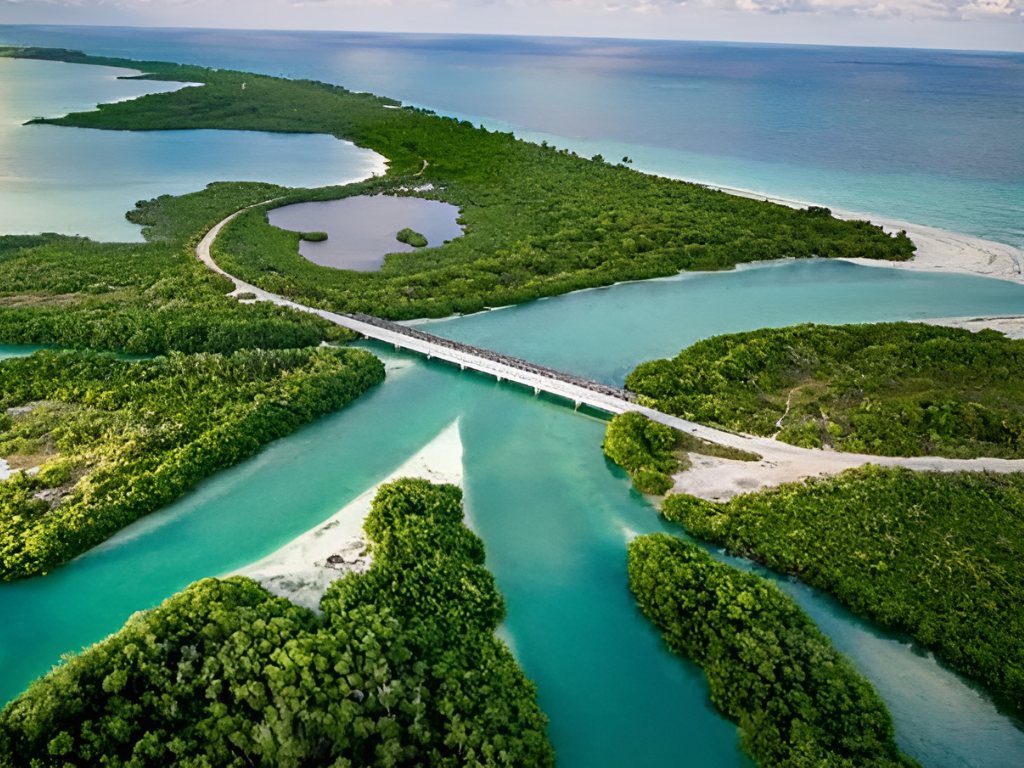
Sian Ka’an Biosphere Reserve stretches along the turquoise-hued Caribbean coast just south of Tulum, within Mexico’s Riviera Maya, a coastal region of the Yucatán Peninsula known for its white-sand beaches and Mayan heritage, where jungle, mangroves, lagoons, and coral reefs come together in one of the country’s most important protected landscapes.
Recognized as a UNESCO World Heritage Site in 1987, the Sian Kaan Biosphere Reserve is valued for both its natural beauty and its ecological significance. It covers about 528,000 hectares (over 1.3 million acres), making it one of the largest protected areas in Mexico’s Caribbean region.
It is home to an intricate system of interconnected habitats: freshwater cenotes, coastal wetlands, tropical forests, and part of the Mesoamerican Barrier Reef System (MBRS), also known as the Great Mayan Reef.
.png)
It’s the largest barrier reef in the Western Hemisphere, stretching for more than 1,000 kilometers along the coasts of Mexico, Belize, Guatemala, and Honduras.
This variety of environments supports an extraordinary range of wildlife, including jaguars, manatees, sea turtles, and more than 300 bird species.
.png)
The name Sian Ka’an comes from the Mayan language and is often translated as "Where the Sky is Born" or "Origin of the Sky." Sian Ka’an feels like a place where the pace of the world naturally slows down.
The morning air is soft, the mirror-like lagoons are still, and the lush mangrove channels open toward horizons that feel endlessly blue and bright. It’s a rare feeling to be so far away and yet completely at ease.
Access is carefully managed, keeping development limited and allowing much of the landscape to remain in its natural state.
Travelers who visit move through waterways, dirt tracks, and open stretches of protected wilderness, experiencing a part of the Yucatán Peninsula where nature still leads the experience.
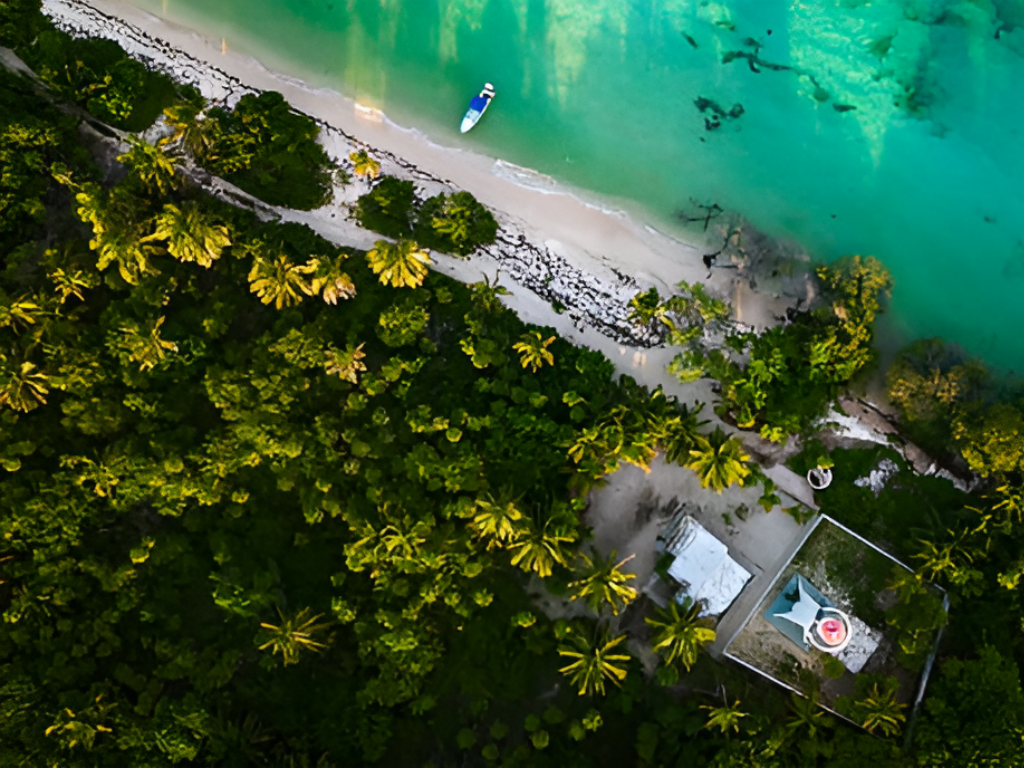
A fascinating thing about the weather is that Sian Ka’an can change in a blink, because the reserve sits where the Caribbean Sea meets vast wetlands and jungle.
That mix creates its own microclimate: so you can have glassy sunshine over the lagoons while a quick tropical shower rolls through the forest just a few kilometers away.
The best time to visit Sian Ka’an is usually from November to April, when the weather is drier and travel is easier to plan. At this time of year, the Caribbean is usually calmer, so boat rides through lagoons and along the coast are smoother.
Roads and paths are also easier to use, even those that go deep into the reserve. With less humidity, it feels more comfortable to be outside, whether you’re walking through mangroves, exploring wetlands, or just enjoying time outdoors.
.png)
Shoulder season (late April to June)
This time is quieter and greener, with fewer visitors. It gets warmer and more humid, but the scenery is especially vibrant.
Rainy season (May to October)
During this season, Sian Ka’an is at its greenest, with frequent rain showers. The weather can be less predictable, especially later on when tropical storms are more common, and some roads may be harder to use.
If you’re planning a wellness-focused trip, timing matters not just for the weather. It also affects how open and accessible the reserve feels, and how easy it is to explore different areas.
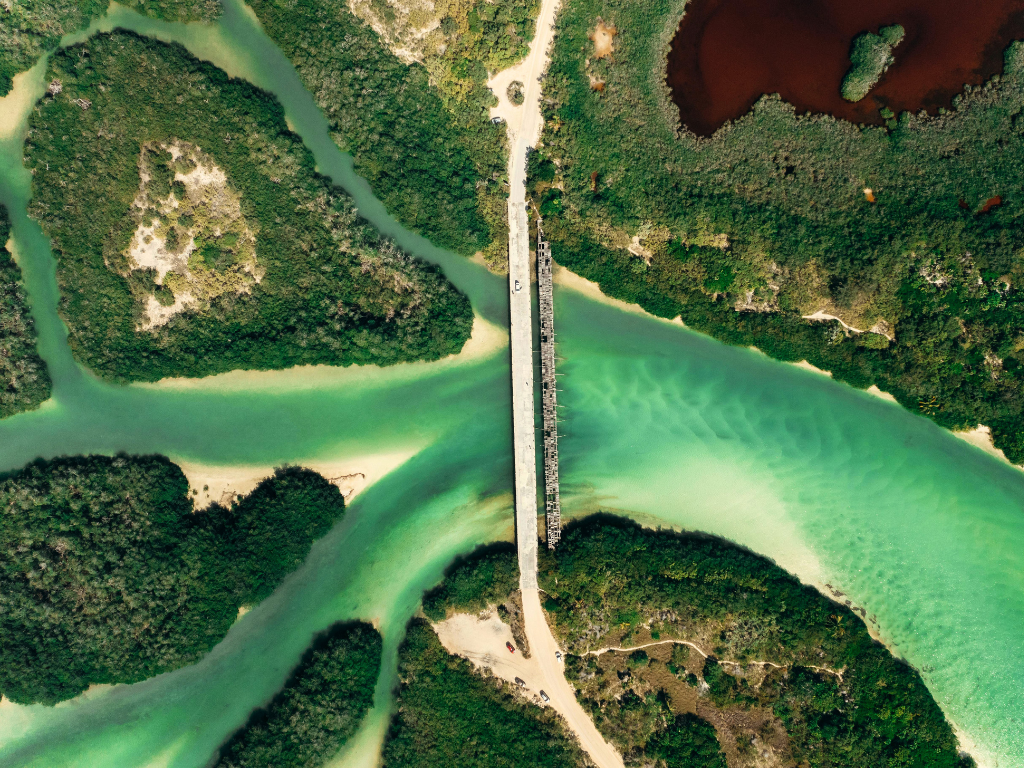
Sian Ka’an is one of the rare places where a “dual ecosystem” comes together in one protected area, with freshwater lagoons, mangroves, and coral reef systems all coexisting within the same landscape.
Being surrounded by water, greenery, birds, and marine life is often what people in wellness circles call “biophilic exposure,” a way of describing how deeply we respond to nature.
Research in nature-based therapy often shows how immersion in nature benefits your health, linking this kind of exposure to lower stress levels, a calmer emotional state, and a range of other health benefits.
In this protected world heritage site, the environment does the work of recalibrating your spirit.
1. Soothing Waters
Peaceful lagoons and canals flow together, creating a soft, rhythmic path that quiets the mind.
2. The Sound of Nature
Instead of city noise, you’re wrapped in the music of bird calls and wind through the mangroves.
3. Connected Life
Across Sian Ka’an, the forest, wetlands, and coral reef flow into one another, creating a world without boundaries.
4. Vast Openness
With a million acres of sky and sea, the horizon feels endless and beautifully free.
5. Mindful Presence
Small-scale experiences and simple stays ensure the land remains the true heart of your visit.
.png)
.png)
Sian Ka’an is indeed home to a small collection of thoughtful, low-impact stays where the landscape quietly shapes the experience.
.png)
In Sian Ka’an, wellness is simply about being present. Places like Casa Maya Kaan offer a beautiful simplicity, where expansive open decks and beachfront spaces let the landscape into your practice.
Food is a celebration of the local earth, mindfully prepared, plant-focused, and full of seasonal flavor. It’s a place where you don’t have to keep doing; just being is enough.
.png)
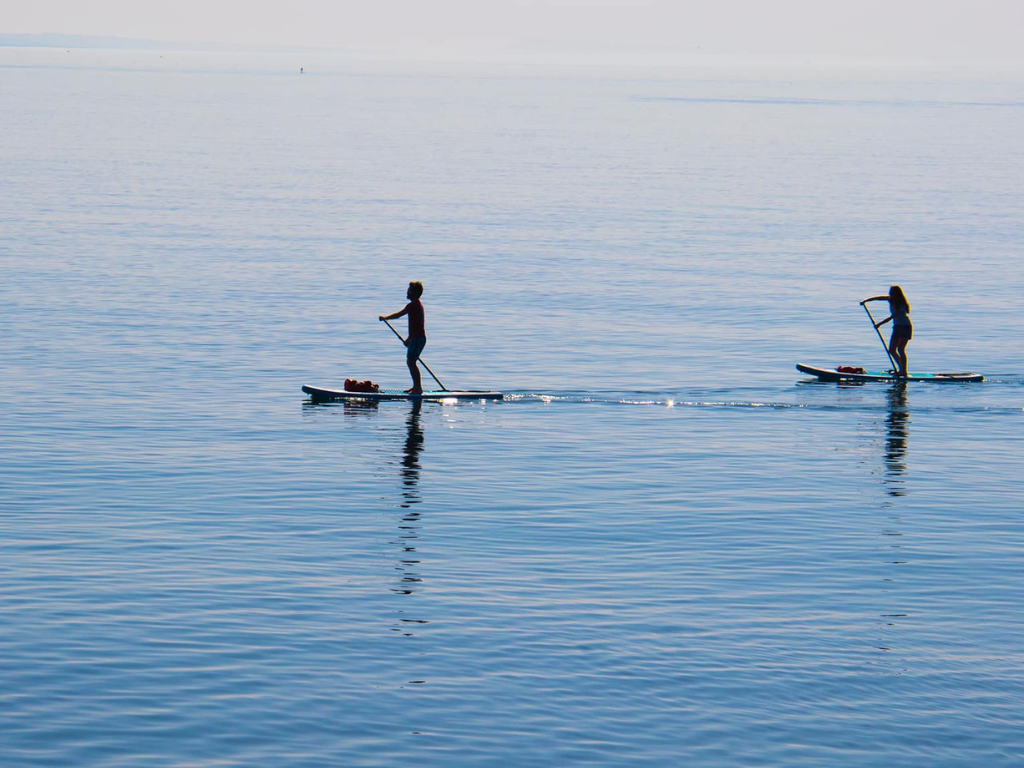
Aside from its wellness-focused experiences, the area surrounding Sian Ka’an also appeals to more adventurous travelers, with a mix of coastal, jungle, and cultural activities that explore the wider Riviera Maya landscape.
1. Lagoon and coastal water experiences
2. Jungle, wildlife, and ecological exploration
3. Land-based exploration and beach time
4. Cenotes and archaeological sites
5. Coastal villages and local life
.png)
Sian Ka’an opens through a few distinct entry points, each offering its own pace and perspective on the landscape.
1. Muyil (lagoon + canal system)
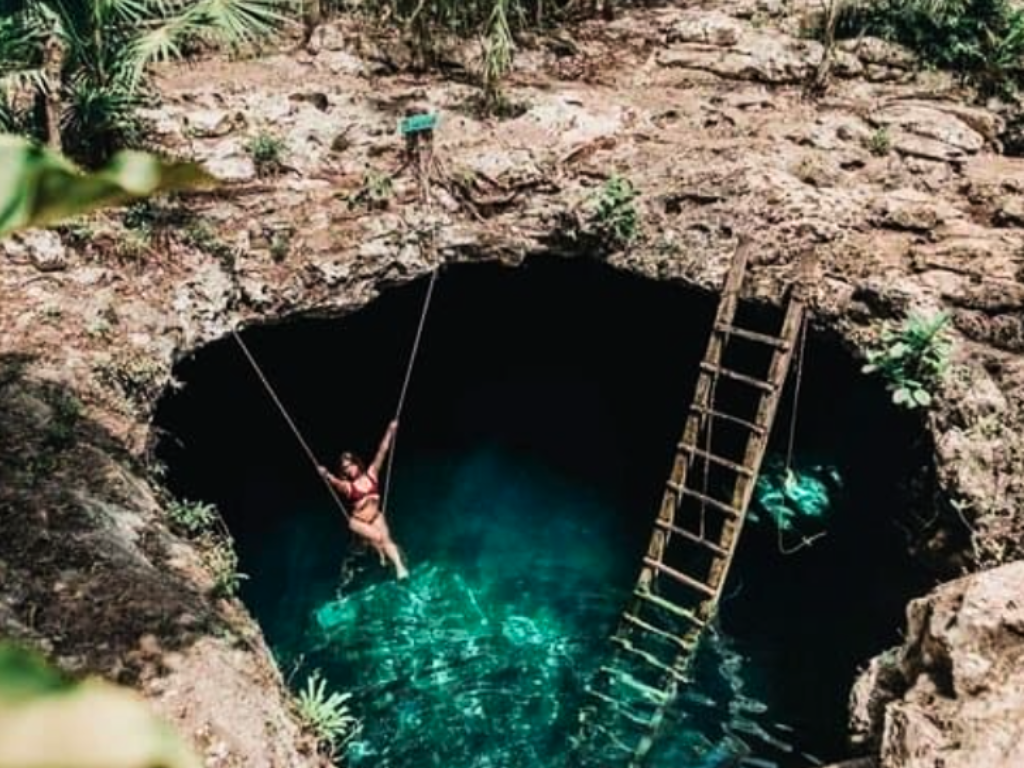
If you’re looking for a soft, water-led introduction to Sian Ka’an, Muyil is often the most natural place to start.
Just south of Tulum, Muyil offers one of the most accessible introductions into Sian Ka’an. A small Maya archaeological site sits at the edge of the jungle, leading into wide lagoons and ancient canals that connect inland waters toward the Caribbean. The area is known for calm, guided boat journeys and freshwater scenery.
2. Punta Allen (coastal zone)
.png)
If you’re drawn to a quieter, more remote coastal experience, Punta Allen opens into a deeper side of the reserve.
Located deep along the Boca Paila peninsula, Punta Allen is a remote fishing village inside the reserve. Reached via a long dirt road through lagoon and coastal landscapes, it is closely tied to traditional fishing life and marine environments.
3. Tulum-adjacent eco corridor
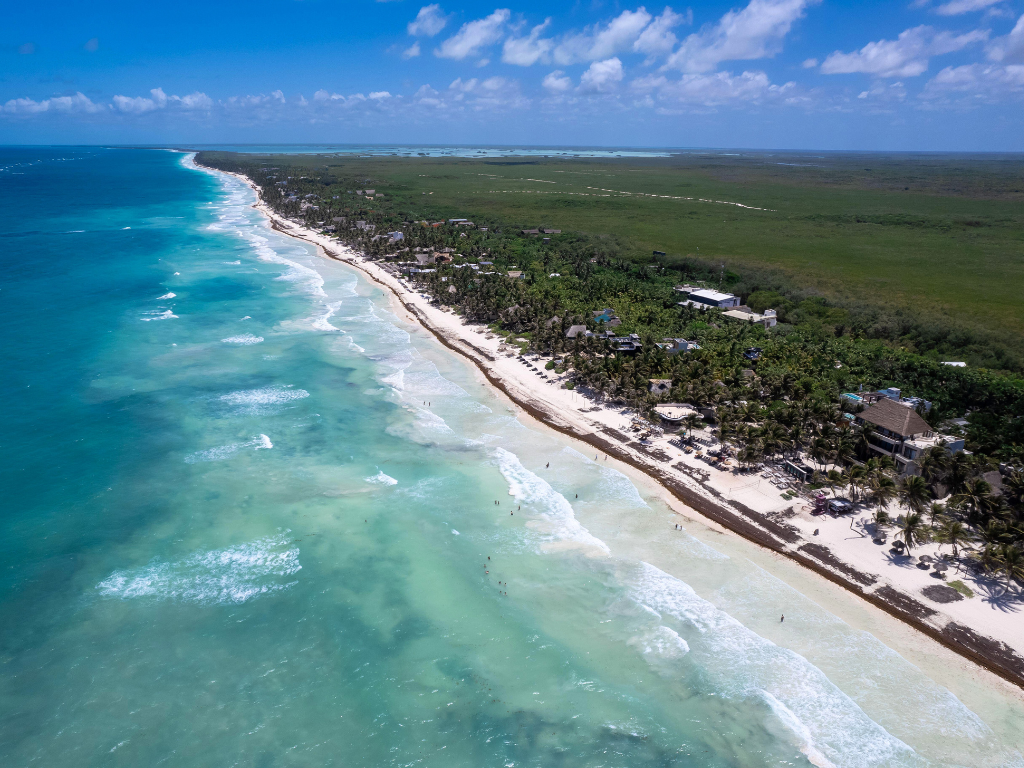
If you want convenience with a sense of nature nearby, the eco corridor around Tulum is a comfortable starting point.
Between Tulum and the reserve entrance lies a stretch of eco-properties and low-impact stays that connect travelers to Sian Ka’an’s edge while remaining close to town. This corridor serves as the most flexible base for accessing both jungle and coastline experiences.
.png)
You’ll find a gentle mix of places to stay, from boutique eco lodges tucked into the landscape, to private villas made for small groups or retreats, and thoughtfully designed jungle or beachfront homes that feel closely connected to nature.
Some are fully off-grid or semi-off-grid, naturally influenced by their surroundings and a softer, slower approach to comfort.
At the same time, there are also simpler, more accessible stays for travelers who prefer ease and flexibility. These budget-friendly options are usually based in Tulum town rather than inside the reserve, making them a practical and comfortable starting point for day trips into Sian Ka’an.

.png)

.png)
Food in and around Sian Ka’an moves with the pace of the land and sea. Rather than a fixed dining culture, meals tend to form around time, place, and what is fresh and available, creating a quiet sense of ease in how food is experienced.
In villas and retreat-style accommodations, meals are often prepared on-site, shaped by local ingredients and a gentle, seasonal approach to cooking.
The style is typically simple and nourishing, with many dishes leaning toward fresh vegetables, herbs, and coastal seafood prepared in understated ways.
.png)
When venturing out to eat in Tulum, you’ll find a selection of well-known restaurants that highlight fire cooking, local ingredients, and atmospheric settings:
Across the region, food is experienced in a grounded, unforced way, closely tied to rest, simplicity, and place.
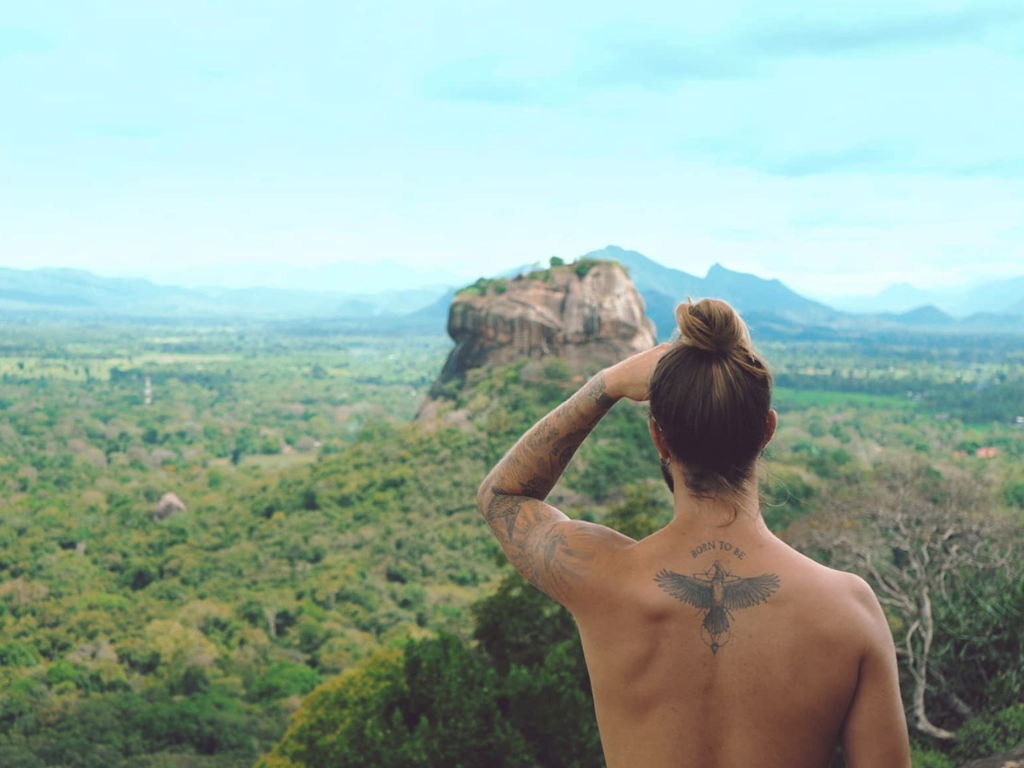
Sian Ka’an feels peaceful and remote because it is so well protected. Getting here takes some effort, but that’s part of what makes your visit relaxing.
A little planning before your trip can make your time in Sian Ka’an much smoother.
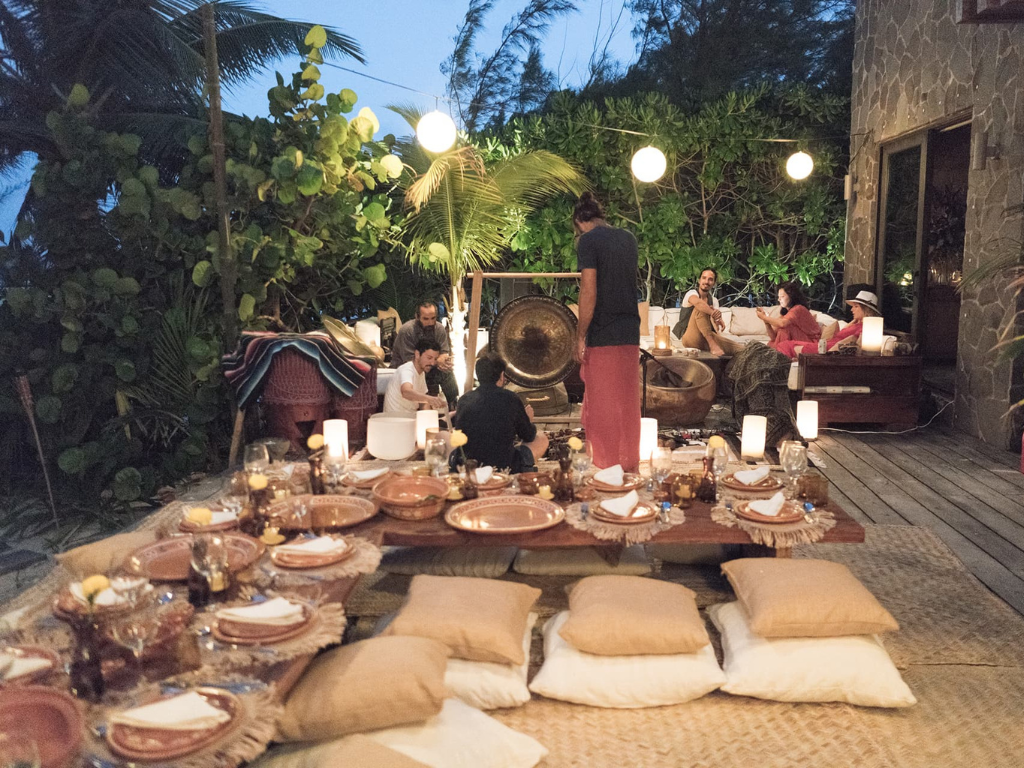
Sian Ka’an can be experienced in both ways, and there’s no right or wrong choice, just what feels most supportive for the kind of trip you want and how you naturally like to move through nature.
Group Retreats
This is a beautiful option if you prefer a sense of gentle structure already in place. Days tend to unfold through a soft rhythm of guided experiences, shared meals, and wellness practices that are thoughtfully organized for you.
You arrive, settle in, and let the experience carry you without needing to plan or coordinate much at all.
Independent or Self-Paced Retreats
This suits travelers who feel at ease creating their own flow. It offers more space, privacy, and flexibility, time to rest, wander, or simply be present in the landscape without a fixed schedule shaping the day.
It can feel especially supportive for those seeking solitude, reflection, or quiet time in nature.
For first-time visitors to the Riviera Maya or the Sian Ka’an region, a self-paced retreat can help soften the logistics and allow more energy to stay with rest and presence.
For returning travelers or those familiar with remote, nature-immersed environments, a self-paced approach can feel spacious, grounding, and quietly restorative.
Either way, Sian Ka’an has a quiet way of slowing everything down…inviting you into a softer pace of travel that lingers with you long after you’ve left.
.png)
Sian Ka’an offers something far more subtle: a vast protected landscape where ease comes through simplicity and space. If you’re considering some Mexico retreats, this is the kind of setting where this experience feels especially natural.
For the traveler who craves true presence, this is a gift for the soul that’s tired of rushing. Sian Ka’an is more than a visit; you step into it, settle in, and let the forest remind you how to breathe.

 Log in with Google