
Article by:
Retreat Finder


Most visitors come to Sigiriya to climb its famous rock fortress. But beyond this landmark lies another side of Sri Lanka: ancient cultural sites, lush jungles, and is home to several Ayurveda retreats.
Sigiriya in Sri Lanka stands about 180 meters above the island’s central jungle, topped by the ruins of a 5th-century palace. Its name means ‘Lion Rock,’ after the giant stone lion that once guarded its entrance. Recognized as a UNESCO World Heritage Site since 1982, the Sigiriya rock fortress is the country’s most popular historic attraction.
Stay longer, and Sigiriya becomes a calm base for exploring the ancient sites of the Cultural Triangle, and home to a small group of Ayurveda resorts offering some of Sri Lanka’s most structured wellness programs. This guide covers the heritage sites worth seeing, how to explore them at a gentle pace, and how to turn a visit into a restorative Sigiriya wellness retreat.
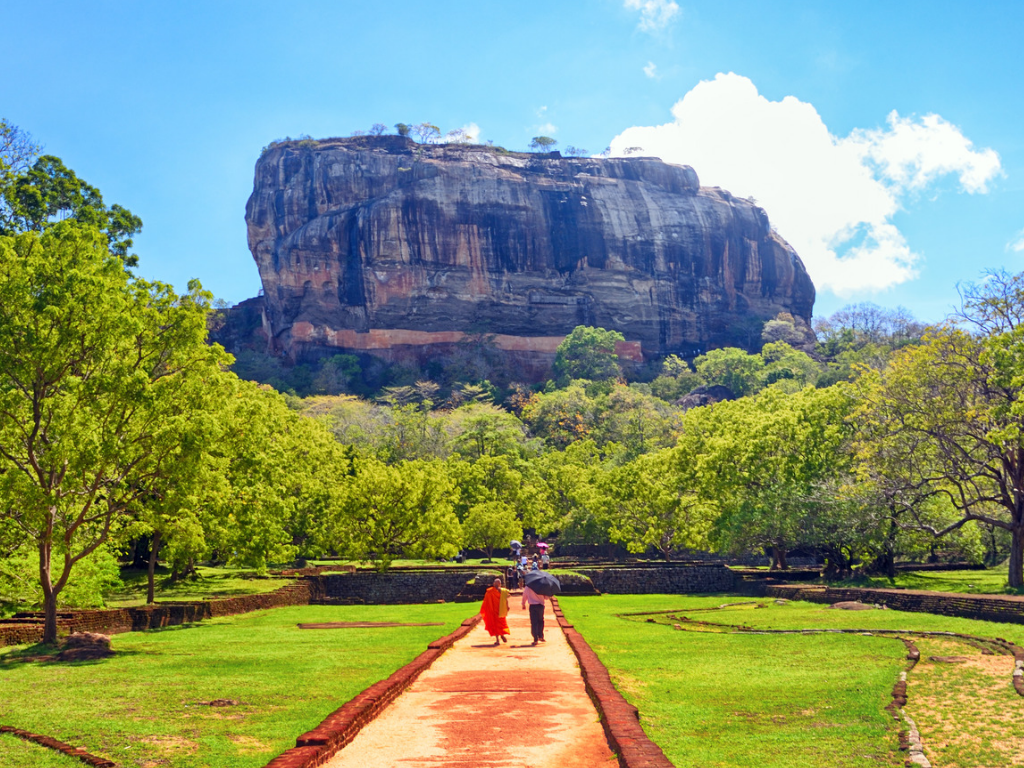
Sigiriya is in Sri Lanka’s Matale District, right in the middle of the Cultural Triangle. Three main reasons make it a great spot for wellness travel.
If you’re planning a Sri Lanka wellness retreat, Sigiriya allows travelers to follow a structured wellness program while exploring the region's history and culture.
.png)
Sigiriya has a peaceful setting surrounded by greenery. Mornings begin early, with birdsong and mist over the reservoirs. By midday, the heat sets in, so most people head indoors for treatments or to rest. Evenings are quiet and dark, perfect for stargazing under clear skies.
Many first-time visitors are surprised by how organized an Ayurveda stay is. In places such as Ayugiri Ayurveda Wellness Resort, programs start with a consultation, where an Ayurvedic doctor assesses your constitution, or doshas, as well as your health history and goals. After that, your treatments, meals, and yoga sessions are planned for you.
Ayurveda in Sri Lanka is a regulated medical system. Practitioners register with the Ayurvedic Medical Council under the Ayurveda Act No. 31 of 1961, and doctors are trained at recognized universities. This structure gives first-time visitors extra peace of mind.
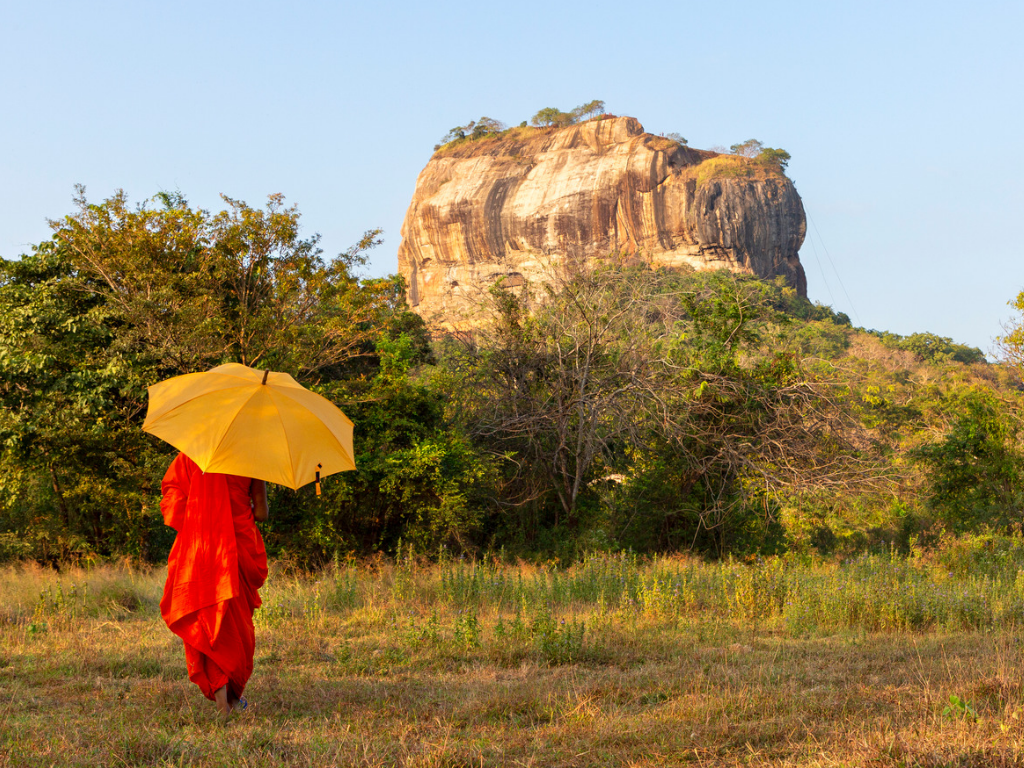
Sigiriya is ideal for travelers who prefer structure, privacy, and meaningful experiences over social activities or beach time.
Sigiriya may not be the best choice for surf-and-yoga travelers, those looking for budget retreats, people who want nightlife or a community-style retreat, or anyone with only a night or two to spare. If that sounds like you, other retreats in Sri Lanka, such as those in Kandy or along the south coast, may be a better fit.
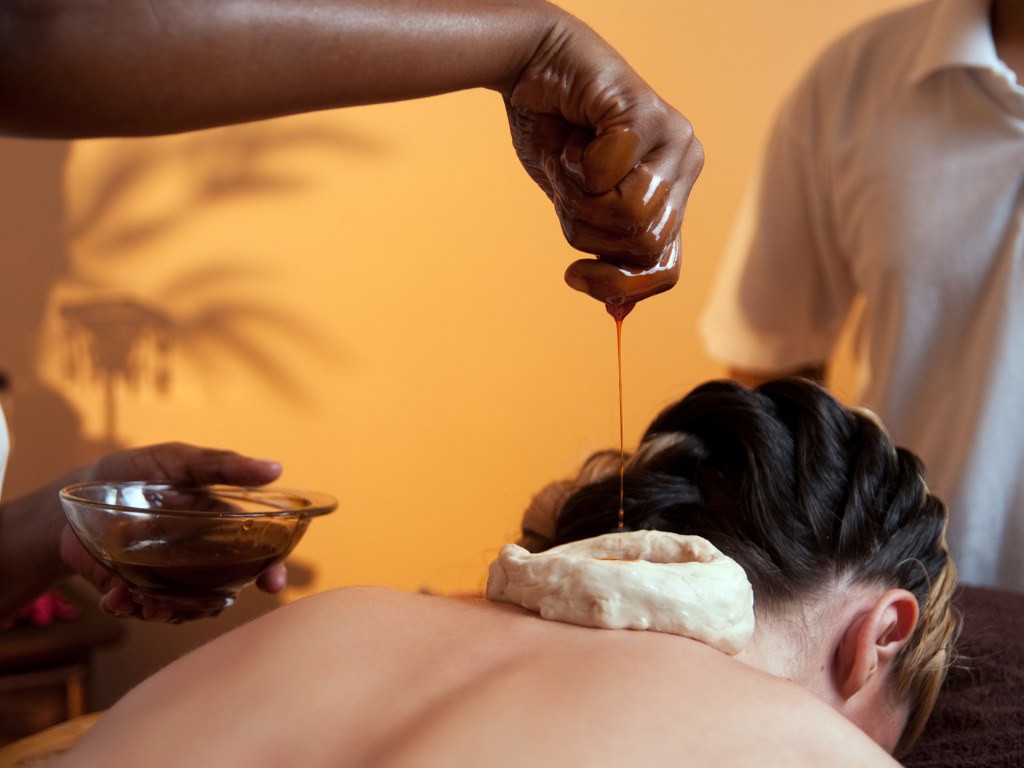
Ayurveda resorts run year-round, so the best time to go depends on what else you want from your trip.
If Ayurveda is your main focus and sightseeing is a bonus, the quieter months from May to January can mean calmer resorts and better value. If you’d like to pair your program with comfortable climbs and day trips, January to April is the easiest time to do both.
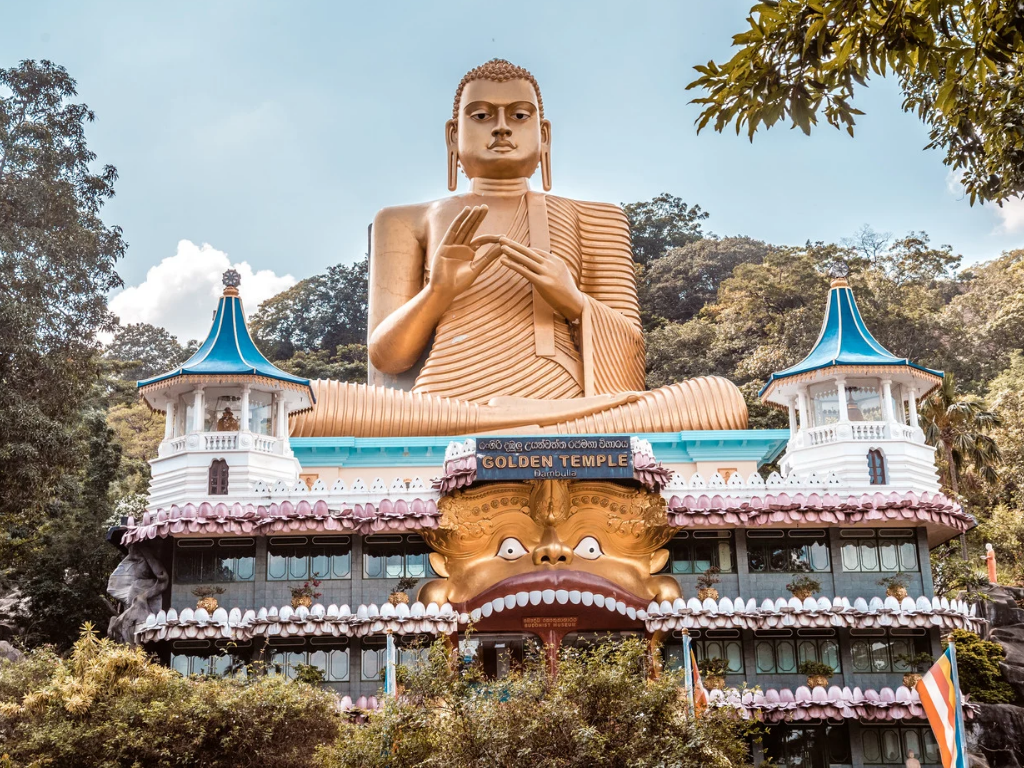
Sigiriya’s peaceful atmosphere makes it ideal for rest and wellness. Days often begin at sunrise, with the midday heat offering time for rest or Ayurveda treatments. Evenings are generally quiet, with most visitors turning in early.
Granite landmarks like Sigiriya and Pidurangala rise above the jungle and ancient reservoirs, home to wild elephants and abundant birdlife. Sigiriya also has a rich Buddhist history, with nearby cave temples in Dambulla and Pothana offering opportunities for meditation, reflection, and learning about local traditions.
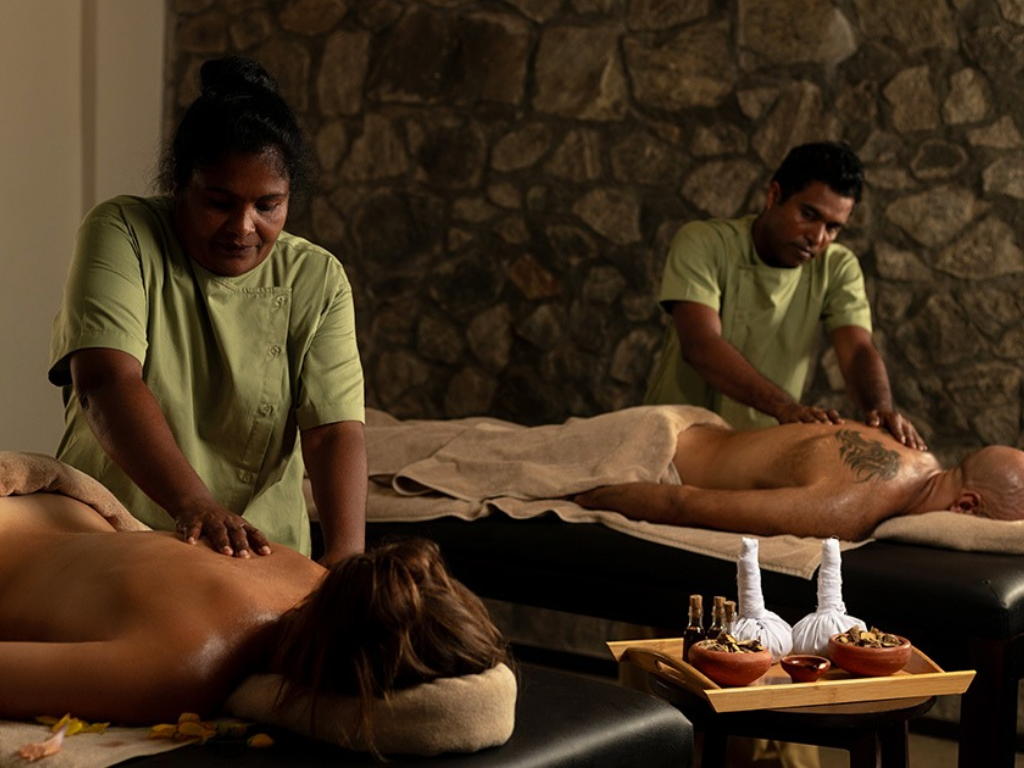
Sigiriya has a small wellness retreat scene, centered mainly around dedicated Ayurveda resorts. These resorts offer personalized programs throughout the year, usually including consultations, treatments, and daily wellness activities tailored to each guest.
One example is Ayugiri Ayurveda Wellness Resort, a luxury property by Browns Hotels & Resorts. Set across 54 acres, it has 22 suites, each with a private pool, and offers doctor-led Ayurveda retreats and luxury wellness packages. In 2026, it was named South Asia’s Leading Wellness Resort at the South Asian Travel Awards (SATA), and as of November 2026, it ranks as the number one hotel in the Kimbissa area near Sigiriya on Tripadvisor.
Programs can last from three-night samplers to 7, 14, or 21 days, with some even longer for special therapies.
Some resorts, including Ayugiri, can also host groups and offer dedicated spaces, such as a yoga pavilion, making Sigiriya a strong choice for retreat leaders planning a premium, culturally focused retreat.
.png)
Most Ayurveda stays in Sigiriya follow a similar pattern: you start with a consultation, then get a personalized plan, daily treatments, special meals, and herbal remedies. It’s the same core structure you’d find at any well-run Ayurveda retreat in Sri Lanka. The main difference is the focus of each program.
Programs usually focus on goals such as overall balance, stress relief, detox, weight management, skin health, joint and muscle care, or longevity. For example, at Ayugiri Ayurveda Wellness Resort, you can pick a detox and weight loss retreat, a mind-relaxation and de-stress program, a skin and wellness package, or the 21-day Swastha Asthi Suwa Body Restoration Package for joint and muscle care.
A practical tip: Ayurveda involves your whole daily routine, so these programs ask you to follow things like early bedtimes, a special diet, and to be patient with the process. Many people find that this structure actually helps them relax and disconnect.
1. The Story of Lion Rock
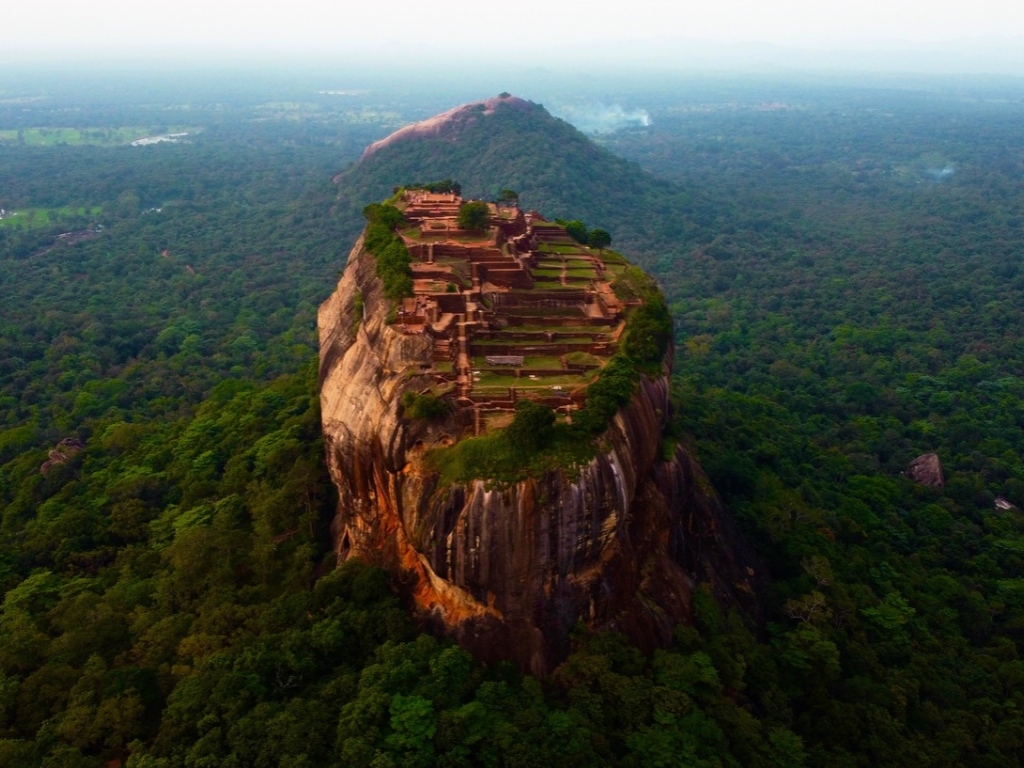
Sigiriya means ‘Lion Rock’ in Sinhala, Sri Lanka’s main language. It’s named after the giant stone lion that once stood at its entrance. King Kashyapa turned Sigiriya into a fortified city and palace during his reign from 477 to 495 AD. After his defeat, it became a Buddhist monastery again until around the 14th century, when it fell into disuse and was reclaimed by the jungle. British Major Jonathan Forbes rediscovered it in 1831.
Today, the Sigiriya rock fortress is listed by UNESCO as the Ancient City of Sigiriya and is considered one of the best examples of ancient urban planning in Asia.
Reaching the summit means climbing roughly 1,200 narrow, steep steps, using a mix of rock-cut stairs and metal staircases. Along the way, you’ll pass:
The climb up the Sigiriya rock fortress in Sri Lanka requires moderate fitness. Start early to avoid the heat and crowds, bring water, and plan for two to three hours, including a visit to the on-site museum. Fees and opening hours can change, so check the latest information before your visit.
2. Sigiriya or Pidurangala?
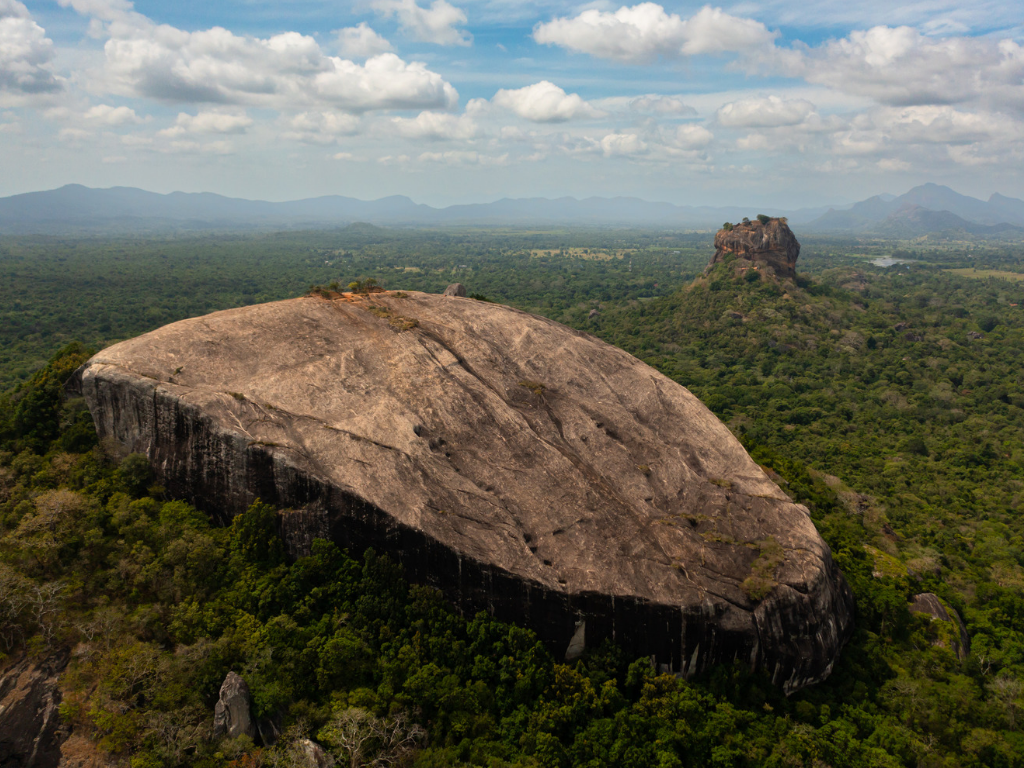
Nearby Pidurangala Rock is a shorter but rougher climb, offering a wide view of Sigiriya rising from the forest. Many travelers like to visit at sunrise. Sigiriya gives you the history, while Pidurangala gives you the view. If possible, try to do both on different mornings.
3. Beyond the Rock: What Is Sri Lanka’s Cultural Triangle?
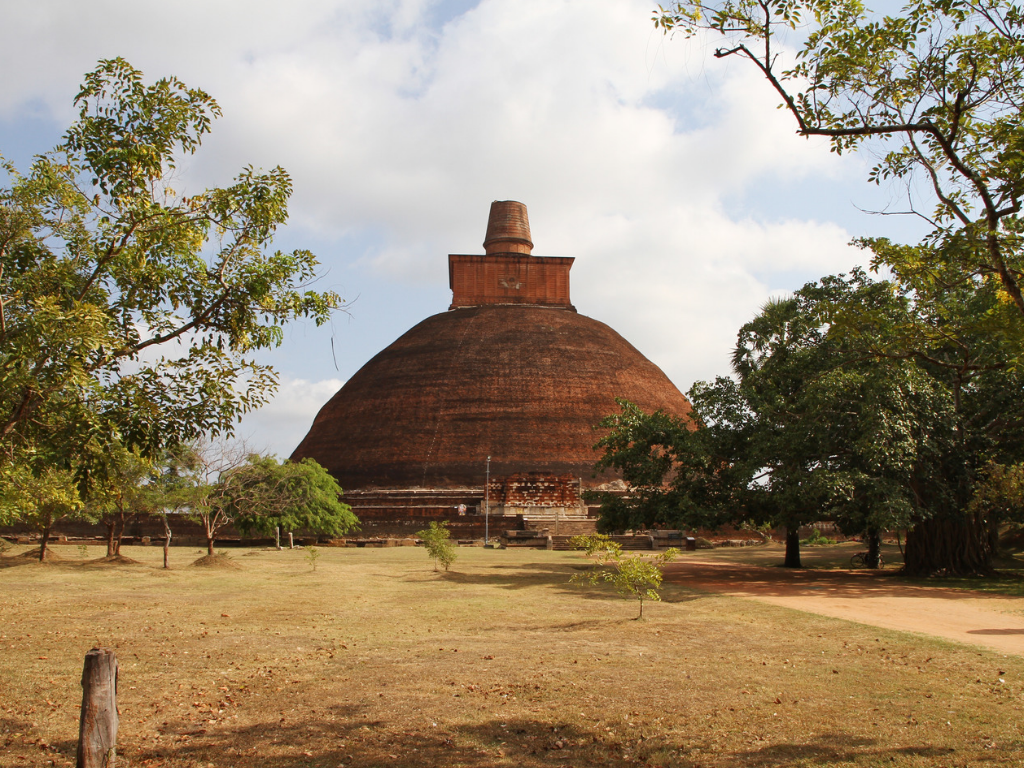
Sri Lanka’s Cultural Triangle is a historic region in the central part of the island, bordered by the ancient cities of Anuradhapura, Polonnaruwa, and Kandy. It’s home to many of the country’s most important archaeological sites, including five UNESCO World Heritage Sites: Sigiriya, Dambulla Cave Temple, Polonnaruwa, Anuradhapura, and Kandy. Sigiriya lies near the center, making it a convenient base for exploring the Cultural Triangle in Sri Lanka at your own pace.
Start with Pothana Rajamaha Viharaya, a group of ancient caves and an active village temple in an area inhabited for around 6,000 years. It is quieter than the major tourist sites, and a visit usually takes one to two hours.
Next, spend half a day at Dambulla Cave. A temple, a UNESCO World Heritage Site with five caves, painted ceilings, and around 150 Buddha statues. Its artwork dates back roughly 2,000 years.
Polonnaruwa and Anuradhapura each deserve a full day. Polonnaruwa was a medieval royal capital, known for its ancient ruins, dagobas, and stone carvings. Anuradhapura, one of Sri Lanka's oldest sacred cities, is famous for its massive stupas and sacred Bodhi tree.
For a change of scenery, spend half a day on a jeep safari at Minneriya or Kaudulla National Park. Both parks are home to wild elephants throughout the year. Between July and October, large herds gather around the reservoirs during the seasonal elephant gathering.
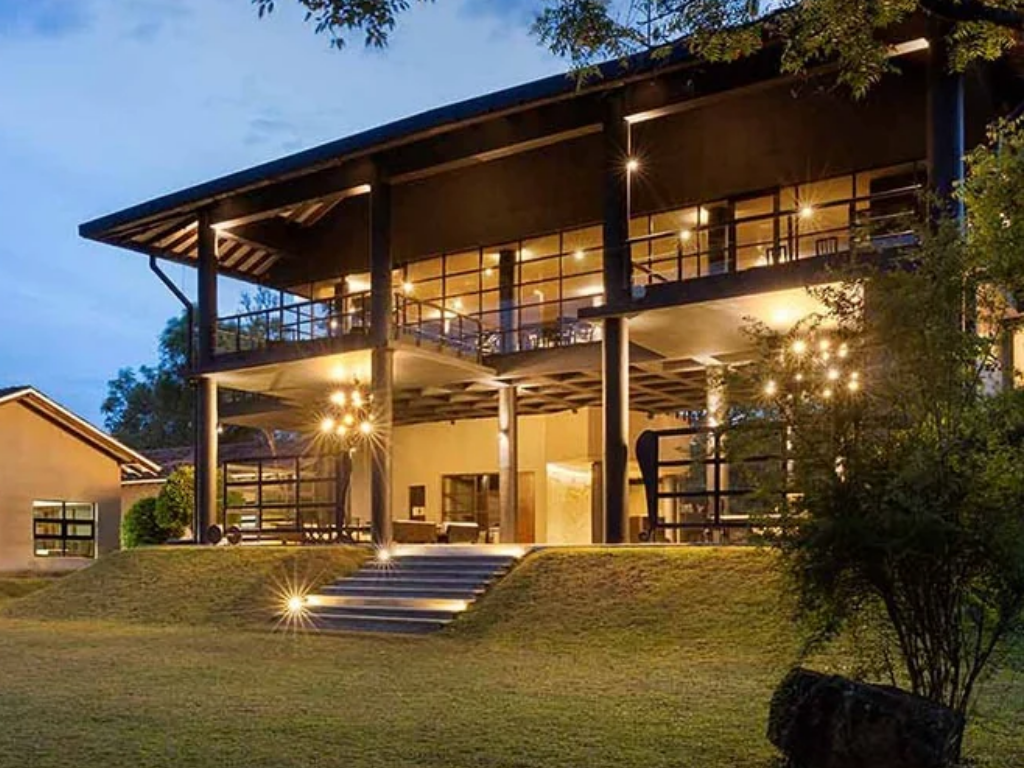
Where you stay shapes your whole trip. For a structured program with consultations and daily treatments, choose a dedicated Ayurveda resort. If you mainly want to sightsee with a few treatments, a hotel with a spa works well. Sigiriya hotels range from luxury Ayurveda resorts to budget-friendly eco stays, so there’s an option for every kind of trip.
.png)
Sigiriya’s local food reflects Sri Lanka’s farming traditions, fresh produce, and rich use of spices. Many traditional dishes feature rice, coconut, vegetables, and freshwater fish.
At Ayugiri Ayurveda Wellness Resort, guests enjoy three personalized meals each day. Eggs, chicken, or fish are included if they fit your plan. Meals are always fresh and do not include red meat. The Amurtha Restaurant faces Sigiriya Rock. You can also try special dining experiences like breakfast in a treehouse, a traditional Kamatha lunch, or a bonfire dinner by the lake. The resort’s working farm supplies much of the produce.
For an authentic, budget-friendly meal, visit Hela Bojun Hala, where local women serve traditional snacks like string hoppers and egg hoppers for a fraction of restaurant prices. In the evening, laid-back cafés like Soul Food and Restaurant Sigiriya are popular spots to relax with a drink, overlooking the silhouette of Sigiriya Rock.
If you’re exploring on your own, you’ll find classic Sri Lankan dishes at guesthouses and local restaurants around Sigiriya:
Travelers following an Ayurvedic diet should inform their resort or restaurant host of any dietary requirements, especially if certain foods or spices need to be avoided.
.png)
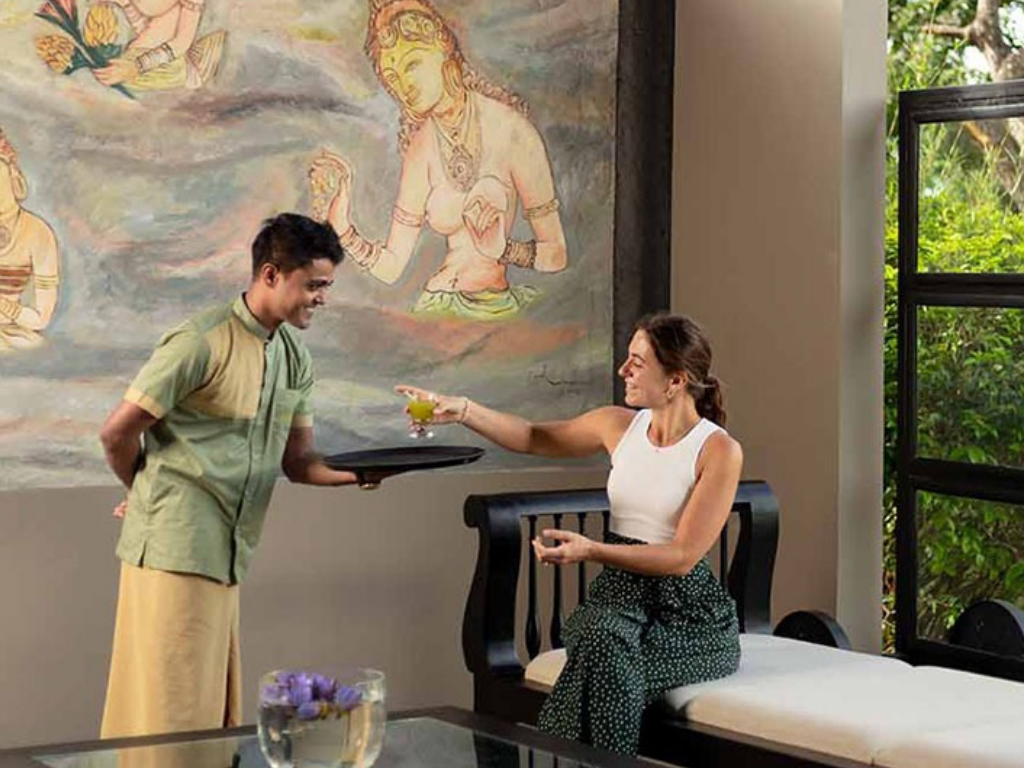
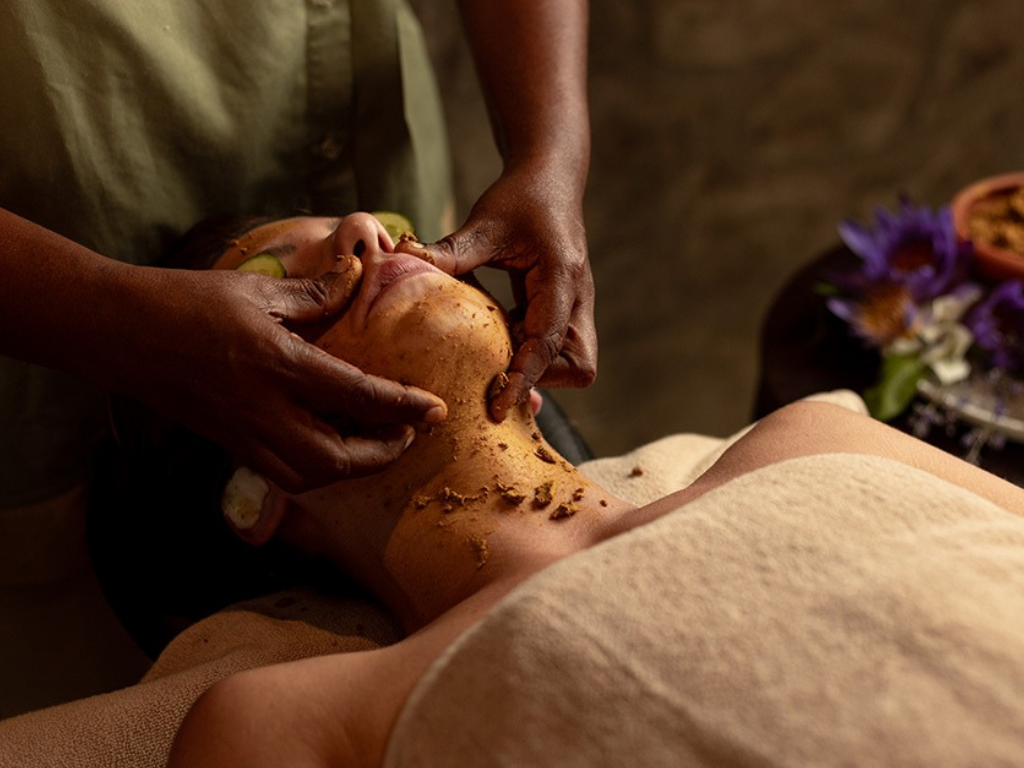
Pick a structured retreat if you feel burned out, are new to Ayurveda, or want personal care without having to plan everything yourself. In a doctor-led program, the planning is done for you, which is often the main benefit.
Pick an independent trip if you want to focus on culture and nature with some spa time. Staying at a comfortable hotel, enjoying a few treatments, and doing some early-morning sightseeing can make for a relaxing, lighter wellness break.
Many travelers do both: they spend a few days exploring on their own, then follow up with a week or more on an Ayurveda program.
.png)
Sigiriya in Sri Lanka is a distinctive destination for a wellness retreat, where ancient heritage, Ayurveda, and a peaceful natural setting come together. Planned well, a Sigiriya wellness retreat gives you both a real sense of history and deep rest, along with the space for a long-term reset.


 Log in with Google