
Article by:
Retreat Finder

Bali, known as the Island of the Gods, offers more than beautiful beaches and bustling markets. Its deep spiritual rhythm, evident in temple bells, sacred rivers, and the scent of incense, permeates daily life.
From sunrise over rice terraces to temple chants and offerings, devotion is a way of life in Bali. You can find yourself in its volcanic soil, warm smiles, and moments of stillness.
This spirit thrives in Ubud, Bali's cultural and spiritual heart.
Surrounded by misty jungles and emerald rice terraces, this highland town attracts artists, seekers, and healers drawn to its creative energy and profound wisdom. In Ubud, rituals are personal, landscapes teach, and every path feels like a pilgrimage.
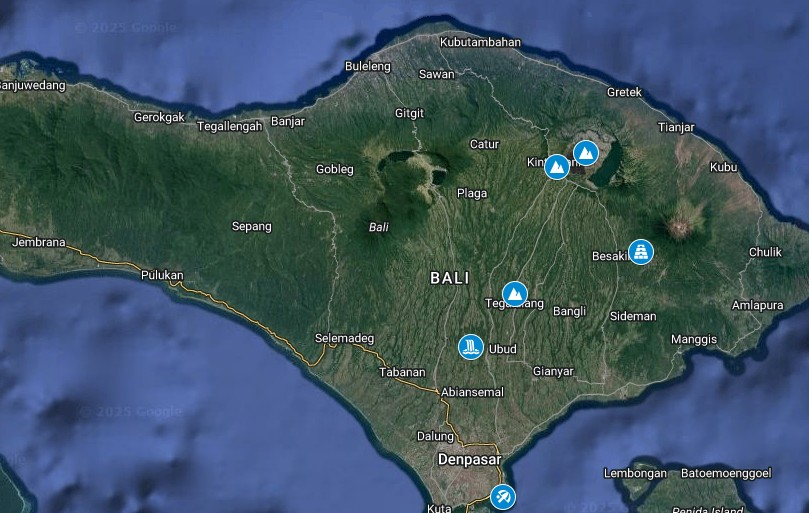
Ubud, Bali's spiritual heart, is nestled in the lush central highlands, with shimmering rice terraces and morning mist. It's an ideal base for exploring Sanur, Mount Batur, Taman Beji Griya, and other essential island destinations.
11.11 Retreats in Ubud offers custom day trips to these incredible locations.

For centuries, artists, seekers, and healers have been drawn to this place where creativity and spirituality intertwine.
Bali is a temple where rituals are intimate, nature feels alive, and every path leads inward. Traveling here means participating in its spirit through sacred water blessings, mountain sunrises, and moments of stillness.
1. Taman Beji Griya Waterfall (Mengwi Village, Badung (West of Ubud)
Taman Beji Griya Waterfall is located in Mengwi Village. It is a dedicated site for the Melukat Ritual, an ancient Balinese spiritual water cleansing. Visitors participate by stepping into the river and standing beneath the waterfall, guided by local priests.
This ritual is believed to purify the spirit, release negative energy, and bring renewal. It is essential to treat this location with deep respect and understand that the experience is a religious and cultural practice, not a typical tourist activity.
When to Go: Visit in the morning (8:00 AM – 11:00 AM) when the light is soft and the crowds are thin.
Best Things to Do: Participating in the Melukat Ritual is the primary purpose. Remember to wear modest clothing (a sarong and sash are required) and bring a change of clothes and a towel, as you will get completely wet. Go with an open mind and respectfully follow the guidance of the local priests.
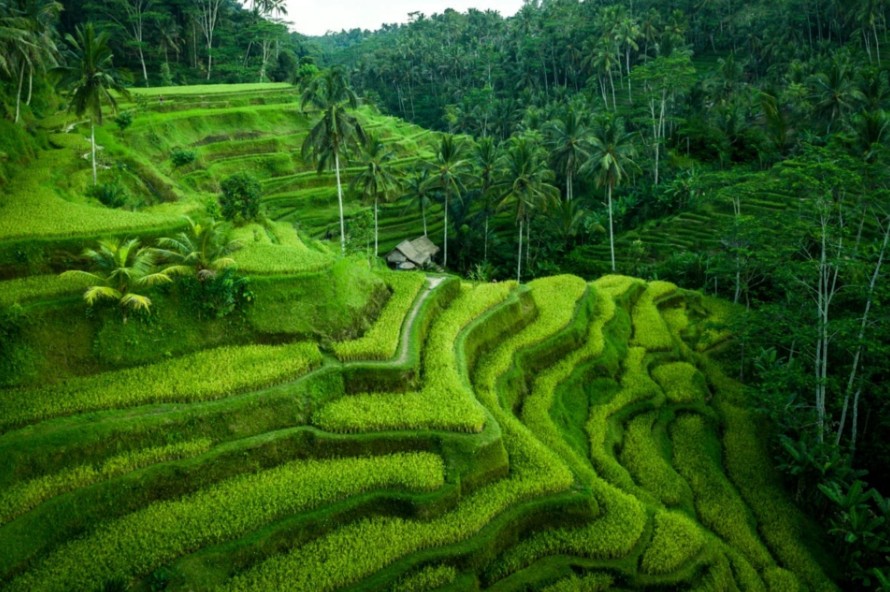
2. Tegallalang Rice Terraces (North of Ubud)
Just north of Ubud, the Tegallalang Rice Terraces offer one of Bali's most photographed and iconic landscapes. These terraces showcase an ancient, layered system of rice paddies sculpted into the steep hillsides, reflecting centuries of traditional Balinese agriculture. Walking the paths provides a peaceful view into the island's sustainable farming heritage.
When to Go: Sunrise (6:30 AM – 8:30 AM) is magical, before the heat and the main rush of tourists.
Best Things to Do: Take the walking path deeper into the terraces, away from the main road.
Carry small cash for voluntary donations to the farmers who maintain the paths. Don't forget to photograph the views and stop for a coffee at a small warung overlooking the fields.
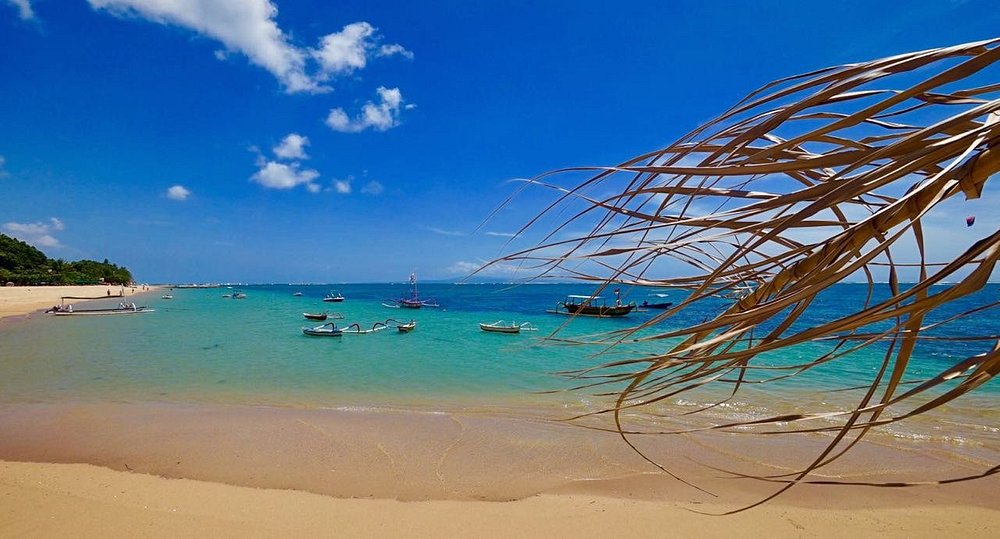
3. Sanur Beach (Bali's Southeastern Coast)
Sanur Beach is located on Bali's southeastern coast. This destination is known for its relaxed atmosphere and exceptionally calm, swimmable water protected by a reef. Sanur offers a gentle coastal experience for quiet walks, cycling, and safe water activities. It is renowned for its spectacular, east-facing sunrises.
When to Go: Sunrise (5:45 AM – 6:30 AM) is spectacular as Sanur faces east.
Best Things to Do: Rent a bicycle and ride the paved, five-kilometer-long path along the coast. You can also enjoy the calm water for swimming, stand-up paddleboarding, or a traditional outrigger boat trip (jukung).
.jpg)
4. Mount Batur (Kintamani Region of Northeast Bali)
Mount Batur is an active volcano in the Kintamani region of northeast Bali. It is renowned for its challenging pre-dawn trek, which allows visitors to reach the summit in time to witness a spectacular sunrise view over the caldera, Lake Batur, and the island. The experience is a popular adventure activity that requires careful planning and a mandatory guide.
When to Go: To reach the summit (1,717 m), you must start the pre-dawn hike (typically 2:00 – 3:30 AM) before sunrise.
Best Things to Do: Witness the sunrise over the caldera and Lake Batur. Bring layers of warm clothing as it is surprisingly cold at the top, and note that booking with a licensed local guide is mandatory.
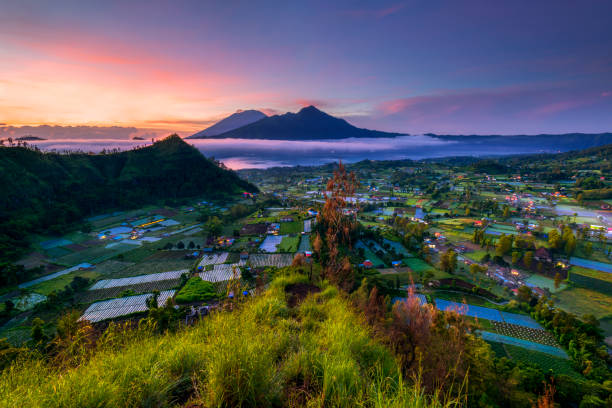
5. Kintamani (Highland area in Northeast Bali)
The Kintamani region is a popular highland area in northeast Bali, famous for offering sweeping panoramic views of the massive Mount Batur caldera and the crescent-shaped Lake Batur. The viewing points along the ridge provide a quiet, elevated perspective of the dramatic landscape.
When to Go: Mid-morning (9:00 AM – 11:00 AM) is often best, after the Batur hikers have descended and before the afternoon cloud cover might roll in.
Best Things to Do: Have lunch with a view at one of the restaurants on the ridge, offering uninterrupted, sweeping views. You can also consider a boat trip to the traditional Bali Aga village of Trunyan on the eastern side of Lake Batur.
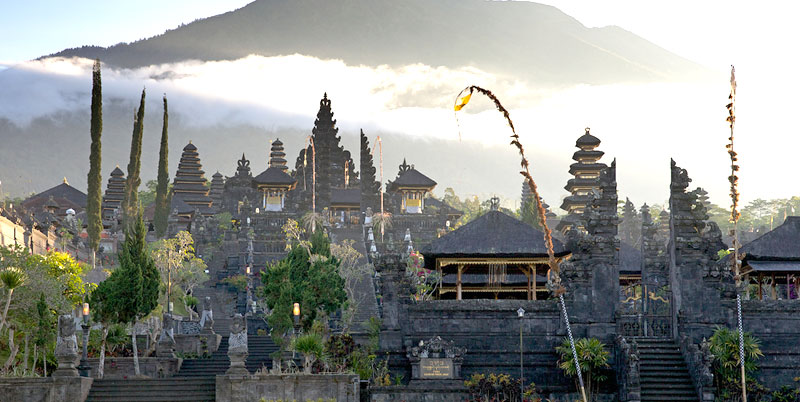
6. Besakih Temple (Southwestern Slopes of Mount Agung)
Located high on the southwestern slopes of Mount Agung, this is the most important and revered Hindu temple complex in Bali, recognized as the island’s "Mother Temple." The site, known as Besakih, is a vast, ancient pilgrimage destination composed of numerous shrines and courtyards. It serves as the primary spiritual center for Balinese Hinduism and is a constant site of prayer, ritual, and ceremony.
When to Go: Early Morning (8:00 AM – 10:00 AM) is ideal for avoiding midday heat and the largest tour groups.
Best Things to Do: Dress respectfully. Sarongs and sashes are required for entry. Move quietly through the courtyards and do not step in front of praying people. Consider hiring a local guide to explain the complex history and significance of the site.
These experiences define intentional travel. Bali's sacred sites and ancient rituals remind us that the deepest beauty is felt, not just seen. The true purpose of these journeys is renewal and presence, a chance to disconnect from the world and truly return to you.
Finding stillness between the mountain and the ocean fosters a profound sense of gratitude and connection.
Practical Travel Tips for the Conscious Explorer
1. Why is Ubud often called the spiritual heart of Bali?
Ubud’s rhythm blends art, healing, and spirituality, creating a natural environment for reflection and renewal.
2. Can solo travelers enjoy these experiences safely?
Absolutely. Solo travelers often find profound connection through Bali’s spiritual rituals and gentle community.
3. Which is the most sacred of the experiences?
The Blessing Journey and Temple Pilgrimage hold deep cultural and spiritual significance, guided by Balinese priests.
4. How can travelers engage respectfully in ceremonies?
Approach with humility, follow local guidance, and understand that rituals are acts of devotion, not performance.
5. What is the one hidden gem most travelers overlook?
The Kintamani Highlands, where silence and panoramic beauty open a rare window into the island’s untouched serenity, particularly at dawn.

 Log in with Google