Article by:
Retreat Finder

.png)
Horses are now used for more than just scenic rides or recreation. They are becoming a key part of immersive retreats. These equine-assisted therapy programs support people dealing with grief or anxiety, help couples build stronger bonds, and assist teams in improving trust and collaboration.
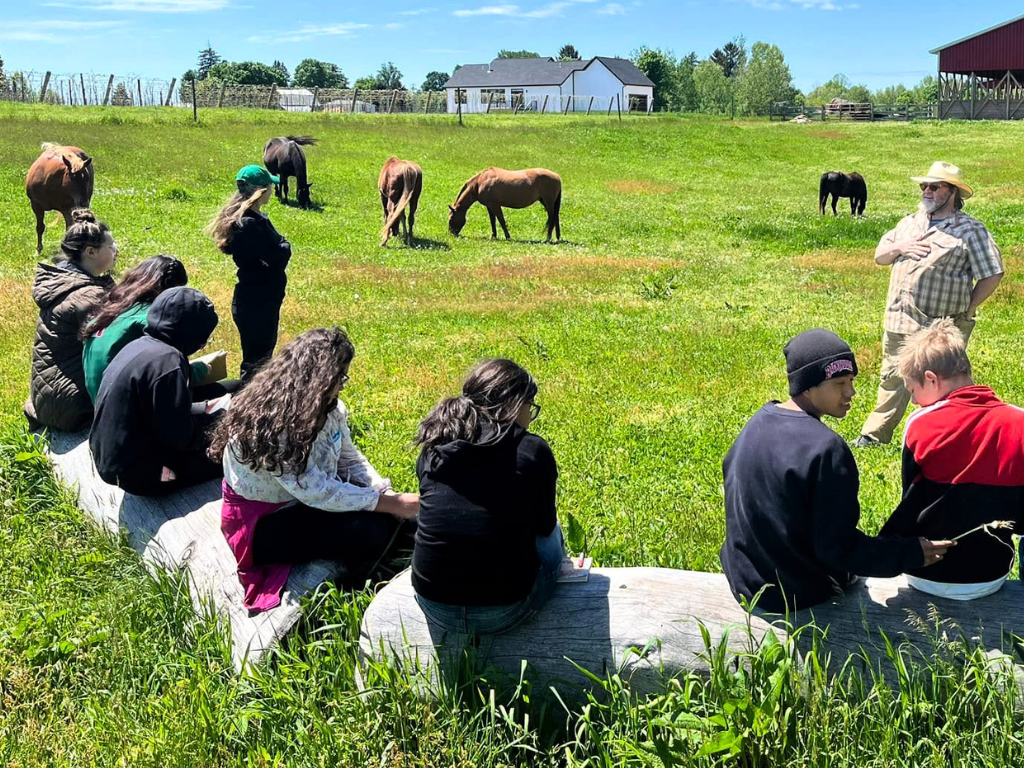
Horses help people become more self-aware because, as prey animals, they are very sensitive to changes in posture, breathing, movement, and muscle tension. Studies show that when people interact with horses, their heart rates can sync up, which supports emotional regulation. Research also suggests that spending time with horses can boost self-image, increase emotional awareness, and create a sense of safety through nonverbal communication.
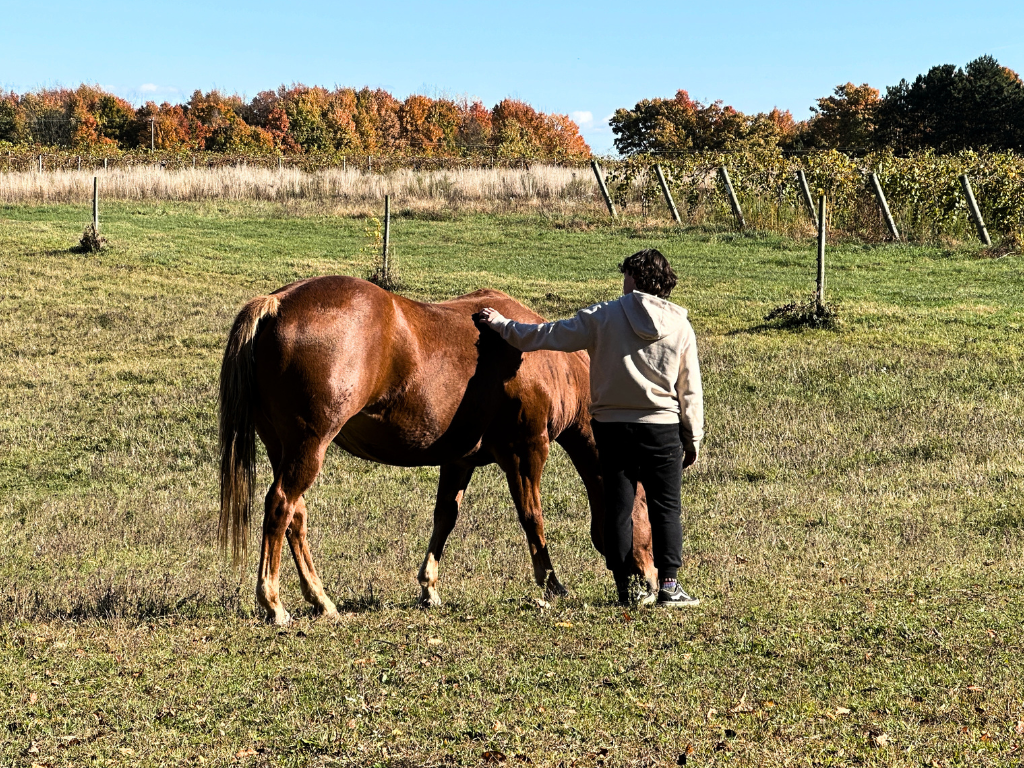
Talk therapy can be hard when someone cannot find the right words. While talking works well for many, some people struggle to express their complex emotions.
Equine-assisted therapy offers another way to address mental health challenges. In these sessions, participants work with horses on the ground, guided by facilitators who may be mental health professionals. The goal is to build self-awareness, communication, emotional control, and coping skills.
A horse can pick up on feelings we may not express, like tension, fear, or stress. Facilitators help clients notice these reactions and understand what they might be feeling. This can be especially helpful for people dealing with anxiety, PTSD, depression, or trauma, including veterans adjusting to civilian life.
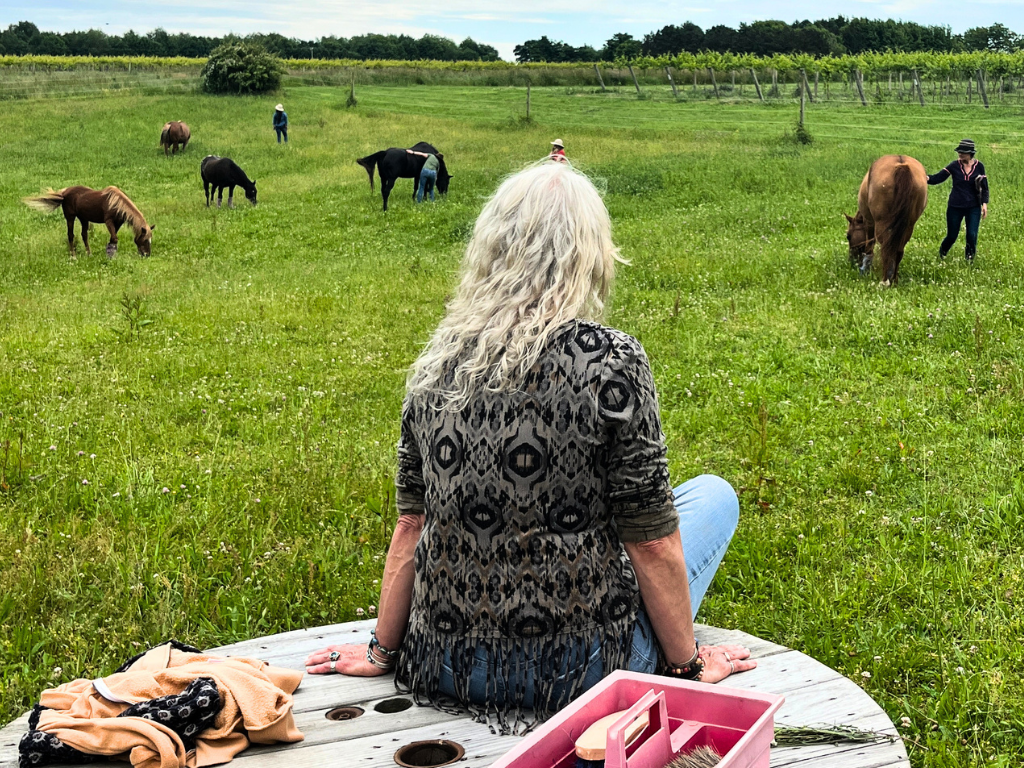
People can take part in equine wellness retreats in order to pull back and reestablish connections. Such retreats promote social well-being by encouraging empathy, cooperation, and more effective communication. These retreats are also beneficial for children with autism and for people who are recovering from trauma.
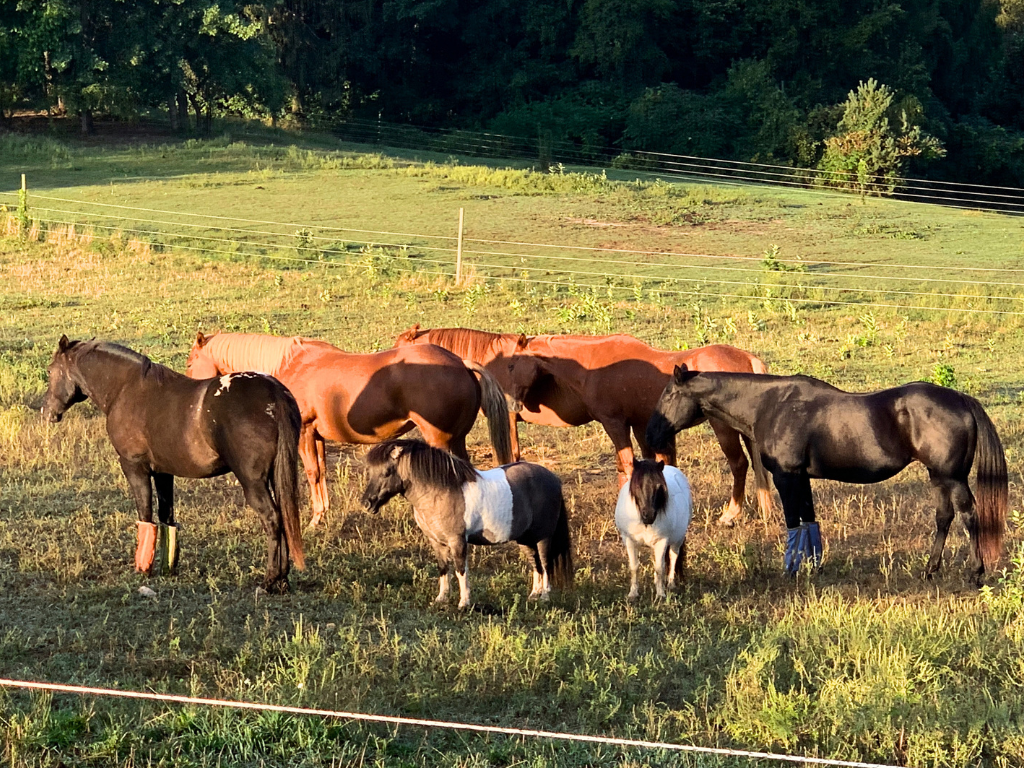
Helping to settle and control the nervous system enables the participants to become more aware of their bodily sensations and internal emotions. At the Red Horse Center, a group of mothers spent time with the herd to stop and reflect together after a busy period.
The results have included anything from a few restorative hours to significant, long-term personal transformation.
Whether in therapy, wellness, or leadership programs, how horses are involved can shape the whole experience.
1. Intentional facilitation
Trained facilitators set up safe conditions for both humans and horses. Fred Bueltmann, one of the co-founders of the Red Horse Center, stresses the importance of consent: the participants decide for themselves how actively they want to take part, and the horses determine whether and in what way they would like to join. It is this mutual willingness that leads to genuine interactions.
2. Collaborative, non-violent horsemanship
How horses are treated matters, too. Collaborative horsemanship focuses on choice, trust, and mutual respect rather than dominance. These same principles can help build better communication, trust, and teamwork in relationships and leadership.
3. Choice-rich interaction
All the activities at the Red Horse Center are carried out on the ground and not from the saddle. The opportunity for free movement allows both humans and horses to form genuine, spontaneous connections.
4. Time for reflection
Time with the herd is balanced with free time for reflection, journaling, or conversation. The relaxed pace leaves room for insights to come naturally, without a rigid schedule getting in the way. Guests can then take what they’ve learned and bring it into their everyday lives.
5. A herd with individual personalities
Each horse contributes a distinct personality to the retreat environment, and since they are co-facilitators, each takes on a role, such as providing comfort when people are going through grief, helping reduce anxiety, or demonstrating healthy boundaries and consent.

The Red Horse Center is a nonprofit organization that runs a 20-acre farm in Fennville, Michigan, close to Lake Michigan. It contains seven horses, including Juniper, a 30-year-old mare known as Big Medicine, and Prince, the herd's leader. Each horse has its own personality, particular history, and method of connection.
The center offers trauma-informed equine therapy, wellness activities including herd meditations, and retreats which involve therapeutic art and leadership development.
The programs promote slowing down, self-regulation, and the development of deeper trust.
Together with professional facilitators, horses take an active part, enabling guests to gain insights through direct engagement and structured reflection.
The value of an equine-assisted therapy retreat comes from the real connections people build with horses. Whether they’re dealing with grief, stress, life changes, or leadership challenges, spending time with horses can offer new perspectives and help people connect with others in healthier ways.

 Log in with Google